
Top Tips: 8 Evidence-Based Habits for Better Sleep
If your sleep is not brilliant, you have probably been given plenty of advice already.
Go to bed earlier. Put your phone away. Buy blackout curtains. Stop drinking coffee. Meditate. Take magnesium. Don't eat after 6pm. Get up at 5am. Somehow relax more.
Before long, getting a good night's sleep can start to feel like another full-time job.
The good news is that you do not need a perfect 27-step bedtime routine. Sleep is influenced by what happens throughout the whole day, and some habits appear to matter considerably more than others.
Here are eight evidence-based places to start.
1. Give Your Body Clock Some Regularity
It is tempting to focus entirely on getting eight hours of sleep, but researchers are increasingly interested in another aspect of sleep health: regularity.
Going to sleep and waking at wildly different times from one day to the next can create a mismatch between our behaviour and our internal circadian clock.
A 2025 systematic review involving 59 studies found fairly consistent associations between greater sleep-timing irregularity and poorer cardiometabolic and mental health outcomes. Some large prospective studies have also linked highly irregular sleep with greater mortality risk, even after taking sleep duration into account.
This suggests that sleep health is about more than simply accumulating a certain number of hours.
If you want one practical anchor, focus on your wake-up time. Try to get up at roughly the same time most days rather than continually shifting your schedule backwards and forwards.
2. Get Outside During the Day
Your brain needs clues about what time it is, and light is one of the most powerful signals it receives.
Light reaching the eyes is detected by specialised cells that communicate with the suprachiasmatic nucleus, the brain's central circadian clock. This helps coordinate rhythms in alertness, body temperature, hormone secretion and sleep.
Bright daytime light, particularly earlier in the day, helps reinforce the difference between biological day and night. By contrast, spending much of the day in relatively dim indoor light and then exposing ourselves to bright light late into the evening can blur those signals.
Get outside. Have your morning coffee in the garden. Walk to the station. Take a short walk after breakfast. Step outside during your lunch break.
Outdoor daylight is generally much brighter than normal indoor lighting, even on a cloudy British day. And you gain the added benefits of moving your body at the same time.
3. Move Your Caffeine Earlier
This is one of the changes most worth experimenting with if you struggle to sleep. Caffeine blocks the action of adenosine, one of the chemicals involved in building sleep pressure during the day.
A systematic review and meta-analysis found that caffeine reduced total sleep time by around 45 minutes on average. It also increased the time taken to fall asleep, increased waking during the night and reduced deep sleep.
The researchers estimated that a coffee containing around 107mg caffeine would need to be consumed approximately 8.8 hours before bedtime to avoid reducing total sleep time.
It does not mean everyone needs an 8.8-hour caffeine curfew. Run your own experiment. If you normally have coffee at 3pm, try moving your last caffeinated drink to lunchtime for a couple of weeks and see what happens.
And remember that caffeine can also come from tea, cola, energy drinks, chocolate and pre-workout supplements.
4. Exercise, But Don't Worry Too Much About the Perfect Time
Regular physical activity is one of the most useful lifestyle habits for health generally, and there is good evidence that exercise can also support sleep.
A large 2026 systematic review and meta-analysis included 200 randomised trials involving more than 23,000 adults and found improvements in subjective sleep quality with exercise.
But when should you exercise? For years, people with poor sleep were routinely told not to exercise in the evening. The research is more nuanced.
A new 2026 systematic review comparing morning with evening exercise included 25 studies. Overall, it found no clear advantage of morning over evening exercise for most sleep outcomes. So, if the only time you can exercise is at 6pm, there is probably no need to abandon it because somebody told you all evening exercise is bad for sleep. But if a hard 9pm HIIT class leaves you buzzing at midnight, however, listen to your own response.
The best exercise time is likely to be one that you can maintain and that works with your sleep.
5. Notice What Alcohol Does to Your Sleep
Alcohol can be deceptive. A drink may make you feel relaxed or drowsy, which makes it very easy to conclude that it helps you sleep. But feeling sedated is not the same as having normal, restorative sleep.
A 2025 systematic review and meta-analysis of 27 studies found that alcohol disrupted normal sleep architecture, including delaying REM sleep and reducing the amount of REM sleep. These changes were found even following relatively low amounts of alcohol and became greater as alcohol intake increased.
If you regularly wake during the night, feel hot or restless, or wake feeling unrefreshed after drinking, try comparing alcohol-free and drinking nights. Your own pattern can be surprisingly revealing.
6. Give Your Evening Meal Time to Settle
Research into chrononutrition, or how food timing interacts with our circadian rhythms, is developing, but there is not yet enough evidence to justify rigid meal-time rules for everyone. Studies of time-restricted eating and sleep have also produced inconsistent findings.
There are, however, simple practical considerations.
A very large meal immediately before lying down may leave you uncomfortably full and can be problematic if you experience reflux or indigestion. Look at the pattern across your whole day.
If breakfast is tiny, lunch is eaten at your desk and you arrive home ravenous, it is hardly surprising if most of your food ends up being eaten in the evening.
Aim for satisfying meals containing protein, fibre-rich carbohydrate, vegetables and healthy fats, rather than relying on an arbitrary rule such as "no food after 6pm". Just try and finish your meal around 3 hours before going to bed.
7. Create a Wind-Down Signal, Not a Perfect Routine
Your brain cannot necessarily switch instantly from answering emails, watching an exciting television programme or sorting out tomorrow's problems to being ready to sleep.
An evening transition can help. A bit like the bedtime routine that we put together for babies and children. That might mean dimming some lights, having a shower or bath, reading, stretching, listening to music or practising a relaxation exercise, having a cup of sleepy tea.
So, choose an evening routine that feels calming and achievable. You do not need to perform it perfectly for your body to sleep.
8. Know When to Stop Trying to Fix It Yourself
This may be the most important tip of all. If you occasionally have a poor night's sleep, that is normal.
If you have been struggling for months, sleep problems are affecting your ability to function during the day, or you are becoming increasingly anxious about sleep, another supplement or stricter bedtime routine may not be the answer.
It is also important to investigate possible underlying causes. Speak to your GP if persistent sleep problems are affecting daily life. Seek medical assessment if you have symptoms suggesting sleep apnoea, such as loud snoring, pauses in breathing, gasping or choking during sleep, frequent waking or severe daytime tiredness.
Restless legs, pain, menopause symptoms, anxiety, depression, some medications and other medical conditions can also interfere with sleep.
Poor sleep is not always a sign that you are doing bedtime badly.
Start with One Thing
Perhaps the biggest mistake we make with sleep is trying to optimise everything at once.
Instead, choose one change.
Then give yourself enough time to see whether it actually makes a difference.
Because sleep is not something we can force. Often, the most useful thing we can do is create the conditions that allow our biology to get on with it.
Need Some Support?
Sleep, energy, stress, food and lifestyle habits often overlap. If you are struggling to work out which changes are actually relevant to you, personalised nutrition and lifestyle support can help you look at the bigger picture. Why not book a free health review?

Autumn Chicken, Squash & Chickpea Traybake
This is a simple autumn traybake featuring chicken, butternut squash, chickpeas and seasonal greens – perfect for an easy midweek dinner with plenty of protein, fibre and colourful plants. And bonus - there is not much washing up afterwards!
It also fits nicely with this month’s sleep theme. Chicken, chickpeas, pumpkin seeds and yoghurt are good sources of tryptophan, an essential amino acid used in the pathway that produces serotonin and subsequently melatonin, which is involved in regulating our sleep-wake cycle.
Chicken and chickpeas also provide vitamin B6, which is needed for the conversion of 5-HTP to serotonin.
This meal also gives you a satisfying combination of protein, fibre-rich carbohydrate, healthy fats and a variety of plant foods, making it a great everyday autumn dinner. Plus, it’s delicious! And perfect for those darker evenings.
Serves 4
Ingredients
To serve:
Method
Make it even more October
For pudding, try warm cinnamon pears with Greek yoghurt and pumpkin seeds.
Simply slice ripe British pears and poach gently with a splash of water and a pinch of cinnamon until soft. Serve warm with thick Greek yoghurt and a scattering of pumpkin seeds.
And if you're interested in more easy, nutritious recipes, why not head to the Recipe Index to see what else you can cook?
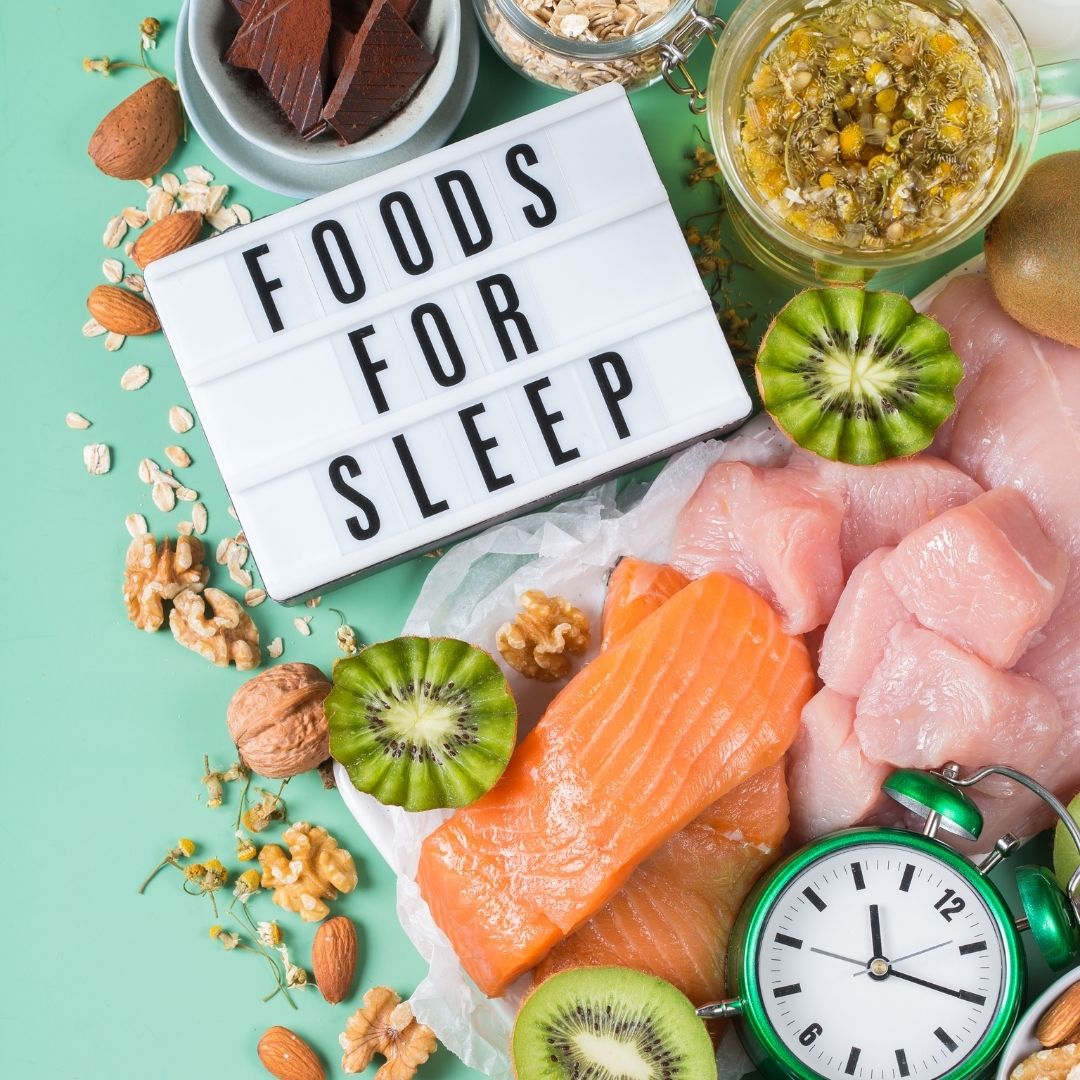
Can What You Eat Really Affect Your Sleep?
Magnesium before bed. Two kiwi fruit. Tart cherry juice. Turkey because it contains tryptophan. No carbs after 6pm.
Social media has no shortage of foods, drinks and supplements promising the perfect night’s sleep.
It is easy to see the appeal. If you are lying awake at 2am, the idea that adding one particular food to your evening routine might solve the problem is often more appealing than hearing that sleep is influenced by a complicated combo of biology, lifestyle, environment and health.
But can what you eat really affect how well you sleep?
The answer is probably yes, but not quite in the way Instagram would have us believe.
Sleep and Diet Influence Each Other
One of the difficulties with sleep research is that the relationship between food and sleep works in both directions.
What we eat may influence sleep, but how well we sleep can also affect what and how much we eat. Experimental research suggests that inadequate sleep can increase energy intake and alter eating behaviour. Think about the morning after a terrible night’s sleep. You may be more likely to reach for another coffee, crave quick-energy foods, and have less motivation to cook.
So, if people who eat a healthier diet also sleep better, we cannot automatically conclude that the food caused the better sleep. Perhaps people who sleep well also find it easier to eat well, exercise regularly and drink less alcohol. Often, the relationship probably works both ways.
Does Your Overall Diet Matter?
Increasingly, researchers are looking beyond individual “sleep foods” towards whole dietary patterns. One of the most studied is the Mediterranean diet, characterised by plenty of vegetables, fruit, pulses, wholegrains, nuts, seeds, extra virgin olive oil and fish.
A large 2025 systematic review and meta-analysis brought together 62 studies involving more than 328,000 people. Greater adherence to a Mediterranean-style diet was associated with better sleep duration and sleep quality. That sounds impressive, but there is an important caveat.
Much of this evidence is observational. It shows an association, but it cannot prove that following a Mediterranean diet caused people to sleep better. There was also considerable variation between studies.
Nevertheless, it is interesting that the dietary pattern already associated with wider cardiometabolic health also appears to sit alongside healthier sleep.
What About Tryptophan-Rich Foods?
Tryptophan is one sleep-related nutrient where there is more than just an interesting theory. It is an essential amino acid, meaning that we need to obtain it from food. Sources include eggs, fish, poultry, dairy foods, soy, pulses, nuts, seeds and oats.
Why might it matter? The chemical conversion pathway in the body looks roughly like this:
Tryptophan → 5-HTP → serotonin → melatonin
Tryptophan can be converted into 5-hydroxytryptophan, or 5-HTP, and then into serotonin, a neurotransmitter involved in mood and sleep-wake regulation. Serotonin can subsequently be converted into melatonin, one of the hormones involved in signalling biological night. There is a plausible biological connection between dietary tryptophan and sleep, which has been backed up by evidence.
A systematic review and meta-analysis found that tryptophan supplementation reduced wakefulness after sleep onset, particularly at intakes of 1g or more, although it did not significantly improve every sleep measure studied.
There is less research into tryptophan-rich foods and proteins but it is interesting. Studies of alpha-lactalbumin, a milk protein naturally rich in tryptophan, suggest potential effects on tryptophan availability and aspects of sleep, although trials remain relatively small.
There is one important complication, however. Tryptophan has to cross the blood-brain barrier, and it competes with several other large neutral amino acids for transport. This means that simply eating a huge portion of protein does not necessarily result in large amounts of tryptophan reaching the brain. Researchers therefore sometimes consider the ratio of tryptophan to competing amino acids, rather than tryptophan intake alone.
Where Does Vitamin B6 Fit In?
The pathway also depends on other nutrients. Vitamin B6, in its active form pyridoxal-5'-phosphate, is required for the conversion of 5-HTP into serotonin. The earlier conversion of tryptophan to 5-HTP also depends on other cofactors, including iron and tetrahydrobiopterin.
This does not mean that everyone with poor sleep needs a vitamin B6 supplement.
Instead, it reinforces a much more useful nutritional message: normal neurotransmitter pathways rely on an adequately nourished body, not on consuming one “magic” sleep nutrient in isolation.
Foods containing vitamin B6 include poultry, fish, potatoes, chickpeas, bananas and fortified cereals, so a varied diet will generally provide multiple nutrients involved in these pathways.
And what about the famous turkey dinner making everyone sleepy?
Turkey contains tryptophan, but so do many other protein foods. The post-Christmas-lunch slump is much more likely to reflect a combination of a large meal, alcohol, time of day and general festive exhaustion than a uniquely sedating effect of turkey.
Does Eating Late Affect Sleep?
Meal timing is another area where social-media certainty has raced ahead of the science.
You may have heard that you should never eat after 6pm or that eating close to bedtime disrupts your body clock.
The emerging field of chrononutrition examines how meal timing interacts with circadian rhythms. It is fascinating but still developing.
There are, however, practical reasons why a very large meal immediately before bed may not suit everyone. Reflux, indigestion and simply feeling overfull can interfere with sleep.
Rather than looking at a specific 6pm cut-off, look at your daily patterns. Aim to finish your evening meal at least 3 hours before going to bed – that way you will have properly digested that meal before lying down for sleep.
Caffeine Probably Matters More Than Most “Sleep Foods”
If we are talking about nutrition and sleep, caffeine deserves considerably more attention than fancy bedtime drinks.
A systematic review and meta-analysis of 24 studies found that caffeine reduced total sleep time by around 45 minutes on average. It also increased the time taken to fall asleep and reduced deep sleep.
Individual sensitivity varies enormously, so there is no perfect caffeine cut-off for everyone. But before spending money on a supplement designed to improve sleep, it is worth asking whether your afternoon coffee, strong tea, energy drink or pre-workout supplement might be quietly working in the opposite direction.
Alcohol: Sleepy Is Not the Same as Sleeping Well
Alcohol is another interesting example because it can make us feel drowsy. That initial sedation can easily be interpreted as better sleep.
However, a 2025 systematic review and meta-analysis found that alcohol altered normal sleep architecture, particularly REM sleep. Changes were detectable even at relatively low alcohol intakes and became more pronounced as intake increased.
So, although alcohol may make falling asleep feel easier for some people, sedation is not the same as restorative sleep. If you regularly wake during the night or feel unrefreshed in the morning, alcohol is worth considering as part of the picture.
What About Tart Cherry Juice?
Tart cherries contain small amounts of melatonin as well as plant compounds including anthocyanins, which has led to interest in their effects on sleep.
A 2025 systematic review found only seven intervention studies. Some reported improvements in measures such as sleep duration, efficiency or time taken to fall asleep, but studies differed considerably in the people involved, the dose and the length of the intervention.
So, my verdict would be: Interesting? Yes. Proven sleep remedy? No.
Tart cherry juice is also still fruit juice, so depending on the product and quantity it may provide a meaningful amount of free sugars, so ensure to drink it alongside a protein-containing meal.
Should We All Be Eating Two Kiwi Before Bed?
Kiwi fruit is another favourite of the sleep-hack world. A small study involving 24 adults with self-reported sleep difficulties found improvements after participants ate two kiwifruit an hour before bed for four weeks.
More recently, a 2026 review examining melatonin-containing foods, including cherries and kiwifruit, found potentially promising effects on sleep quality, duration and efficiency.
But the studies varied considerably in their methods, doses and populations. So, if you like kiwi, enjoy it. It is nutritious and contributes fibre, vitamin C and other plant compounds. But we are not yet at the point where two kiwis before bed should be prescribed as a treatment for insomnia.
What Should You Eat for Better Sleep?
Probably not a special “sleep diet”. If we step away from individual superfoods, a much more sensible picture emerges.
Eat adequately through the day and include a variety of protein foods, vegetables, fruit, wholegrains or other fibre-rich carbohydrates, healthy fats, pulses, nuts and seeds. Foods naturally containing tryptophan and the nutrients involved in serotonin metabolism can form part of that pattern without needing to become bedtime prescriptions.
Keep caffeine at a time of day that suits your individual sensitivity. Notice how alcohol affects you. Avoid evening meals that are so large or late that they leave you uncomfortable.
If sleep remains persistently poor, food may be one piece of the puzzle, but it is unlikely to be the whole picture. Stress, light exposure, activity, hormones, pain, medication and medical sleep disorders can all matter too.
Sometimes the best nutrition advice is knowing when nutrition is not the only answer.
If conflicting nutrition advice is leaving you unsure what actually matters, my approach is to look at the evidence, your wider health picture and the changes that are realistic for you. Why not book in a free health review?
Why Am I Tired All Day but Wide Awake at Night?
There is a particularly frustrating kind of tiredness that many of us will recognise – dragging ourselves through the afternoon, relying on coffee or sugar to keep us going, only to find that by the time you get into bed to all of a sudden feel completely alert. Sound familiar? Your body feels exhausted, but your brain seems to have other ideas.
We often blame poor sleep on things like stress, hormones, blood sugar or “high cortisol”. These things could be relevant, but sleep is much more complicated than that. Two major biological systems help determine when we feel sleepy and when we feel awake, and our daily routines can either work with them or work against them.
Tired Is Not Always the Same as Sleepy
Sleep is partly controlled by something called sleep pressure. The longer we are awake, the stronger that pressure generally becomes. One of the chemicals involved is called adenosine, and this builds up during waking hours and contributes to our drive to sleep.
At the same time, we have an internal circadian timing system, often described as our body clock. This produces roughly 24-hour rhythms in sleep and wakefulness, alertness, hormone secretion, body temperature and many other aspects of physiology.
This means you can be physically tired but still receive a strong biological “stay awake” signal at the wrong time. That is one reason spending an exhausted afternoon on the sofa does not necessarily guarantee that you will fall asleep easily at 10pm.
Your Body Clock Needs Time Signals
Our circadian clock does not operate in isolation. It takes cues from the outside world, and light is the most important of these.
Light reaching the eyes helps the brain work out what time of day it is. Bright daytime light, particularly earlier in the day, supports the normal timing of our sleep-wake rhythm, while bright light late in the evening can shift circadian timing later in susceptible people. Therefore spending much of the day indoors in relatively dim light, followed by a brightly lit evening, is almost the opposite of the light pattern our biology evolved around.
A simple starting point is to get outside during daylight hours, particularly earlier in the day when possible. A walk, breakfast outside or a few minutes having a cup of tea in the garden can all provide a clear daytime signal.
Could Caffeine Be Lasting Longer Than You Think?
Coffee can easily become part of a vicious circle. You sleep badly, so you need more caffeine the following day. That caffeine may then make the next night slightly worse, encouraging another coffee-fuelled day.
Caffeine works partly by blocking adenosine receptors, reducing that feeling of sleep pressure. The effect can last much longer than many people realise.
A 2023 systematic review and meta-analysis of 24 studies found that caffeine reduced total sleep time by around 45 minutes on average. It also reduced sleep efficiency, increased the time taken to fall asleep and reduced deep sleep. Based on the studies included, the researchers estimated that a coffee containing around 107mg caffeine would need to be consumed about 8.8 hours before bedtime to avoid reducing total sleep time.
People metabolise caffeine differently, and the caffeine content of coffee can vary considerably. However, if you regularly struggle to fall asleep, wake often in the night, or don’t feel refreshed in the morning, experimenting with an earlier caffeine cut-off is a sensible place to start.
And remember, caffeine is not only found in coffee. Tea, cola, energy drinks, chocolate and some sports or pre-workout products can all contribute.
Why Alcohol Can Make You Sleepy but Still Disrupt Sleep
A glass of wine may feel relaxing, and alcohol can make people feel drowsy. This sometimes leads to the conclusion that alcohol helps sleep. Sedation, however, is not the same thing as good-quality sleep!
A systematic review and meta-analysis published in 2025 examined 27 studies and found that alcohol altered normal sleep architecture. In particular, it delayed the onset of REM sleep and reduced the amount of REM sleep. These effects were seen even at relatively low alcohol intakes and became more pronounced as intake increased.
This may be particularly relevant in midlife, when sleep can already be affected by hot flushes, night sweats, stress or changes in sleep patterns. If your sleep is noticeably worse after drinking, it is worth observing the pattern rather than automatically assuming the problem is simply “hormonal”.
What About Eating Late?
Meal timing and sleep is an interesting area of research, but it is also one where social-media certainty has raced ahead of the evidence.
There are good practical reasons why a very large meal immediately before bed may not suit everyone. Reflux, indigestion, feeling overly full or simply being uncomfortable can interfere with sleep. However, there is not good evidence that everybody needs to stop eating at a particular clock time.
Ideally, we should be looking to finish eating our meal at least 3 hours before we go to sleep. So if bedtime is at 10.30pm, you want to make sure you’ve finished your evening meal by 7.30pm, if you can.
Sometimes Poor Sleep Isn't a Lifestyle Problem
It is easy to turn sleep into another wellness project and assume that if you just find the right routine, supplement or evening drink, you should be able to fix it yourself.
But persistent sleep problems can have many causes.
Menopause and perimenopause are important examples. A 2024 meta-analysis involving 37 studies and more than 29,000 women estimated that around half of women studied during menopause had poor sleep quality, although prevalence varied considerably between studies.
Pain, anxiety and depression, some medications, restless legs syndrome, thyroid problems and obstructive sleep apnoea can also contribute to poor or disrupted sleep.
Sleep apnoea is particularly important not to miss. NHS symptoms include loud snoring, breathing that stops and starts during sleep, gasping or choking noises, frequent waking and marked daytime tiredness. If that sounds familiar, it is worth speaking to your GP.
Likewise, if you have had insomnia for months, changes to your sleeping habits have not helped, or poor sleep is making daily life difficult, the NHS recommends seeking medical advice.
For long-term insomnia, cognitive behavioural therapy for insomnia, known as CBT-I, is considered a first-line treatment, rather than simply adding more and more sleep-hygiene rules.
What Can You Do Tonight?
If you are tired all day but wide awake at night, resist the temptation to change everything at once. Start by looking for the patterns that may be sending mixed signals to your sleep-wake system.
Try keeping your wake time reasonably consistent, even after a poor night. Get outside during the day, particularly earlier on if you can. Experiment with moving caffeine earlier and notice whether alcohol affects the quality of your sleep.
Make sure you are eating adequately through the day rather than arriving at the evening ravenous, and give yourself some transition time between a busy day and bed.
Most importantly, do not judge your sleep solely by whether you have performed the perfect bedtime routine.
If poor sleep persists, or you are regularly exhausted despite spending enough time in bed, it is worth looking beyond the obvious. Sometimes the most useful next step is not another supplement or sleep hack, but working out what is actually getting in the way.
Need Some Support?
Sleep, energy, stress, eating patterns and health rarely exist in isolation. If several of these areas are starting to overlap, personalised nutrition and lifestyle support can help you look at the bigger picture and identify realistic changes that work for you. Why not book in a free call?
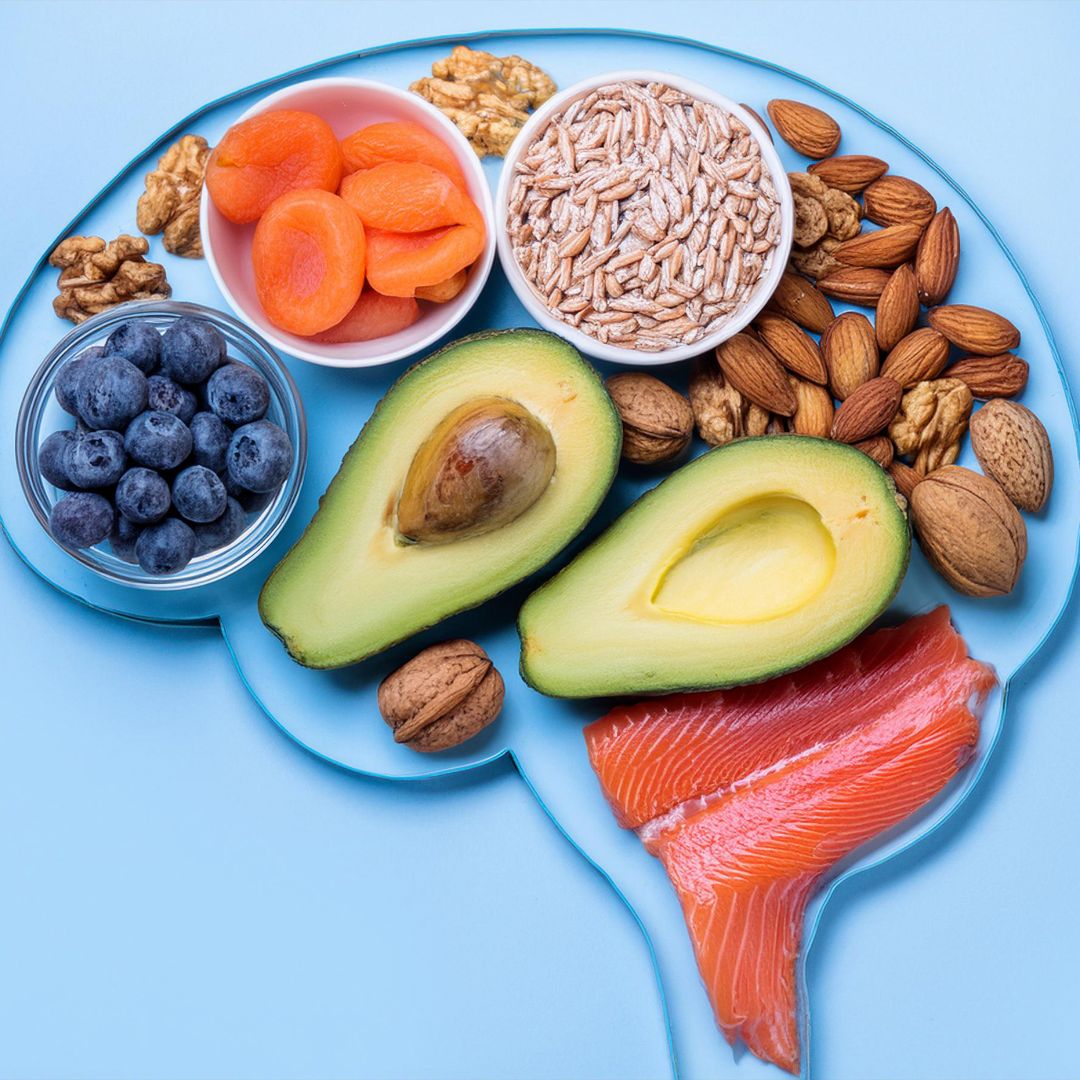
Top Tips for Supporting Your Brain Health
If you are noticing more brain fog, forgetting names, struggling to concentrate or simply thinking more about how to protect your brain as you get older, it can be difficult to know where to start.
There is certainly no shortage of advice. Take this supplement. Avoid that food. Do a daily crossword. Eat more blueberries. Buy a continuous glucose monitor.
But the best research tells a much less complicated story.
Brain health appears to benefit most when we look after several different areas at the same time: cardiovascular and metabolic health, nutrition, movement, sleep, hearing and vision, mental stimulation and social connection.
The 2024 Lancet Commission estimated that around 45% of dementia cases worldwide could potentially be delayed or prevented by addressing 14 modifiable risk factors throughout life.
That does not mean dementia is always preventable. Genetics, ageing and many factors outside our control remain important. But it does mean there are plenty of things we can do to create a healthier environment for our brains to age in.
Here are some good places to start:
1. Eat for Your Brain and Your Heart
One of the most consistent findings in brain-health research is that dietary patterns matter more than individual “superfoods”.
Mediterranean, DASH and MIND-style diets differ slightly, but they have far more similarities than differences. They tend to contain plenty of vegetables, fruit, beans and lentils, nuts, seeds, wholegrains, olive oil and fish, with fewer ultra-processed foods.
The evidence is not strong enough to say that any one of these diets prevents dementia. Instead, look at what these eating patterns have in common.
Try this: Aim to include vegetables or fruit at every meal, use extra virgin olive oil regularly, eat beans or lentils several times a week, include nuts and seeds, and choose minimally processed foods most of the time.
2. Look After Your Blood Sugar
The brain is highly energy dependent, but that does not mean it benefits from constantly high blood glucose.
Insulin resistance and type 2 diabetes are associated with an increased risk of cognitive decline and dementia. Diabetes is one of the 14 modifiable risk factors highlighted by the Lancet Commission, and the new WHO dementia risk-reduction guidance specifically recommends managing diabetes alongside other cardiovascular risk factors.
For day-to-day concentration, meals dominated by rapidly digested carbohydrates can also leave some people feeling hungry, tired or mentally flat a few hours later.
Try this: Build your meals around a good source of protein, plenty of vegetables and a sensible portion of fibre-rich carbohydrate.
For example, rather than toast and jam on its own, try eggs with wholegrain toast and vegetables, or Greek yoghurt with berries, seeds and oats.
You can read more about this in my article What is Causing my Brain Fog?
3. Don’t Forget Protein
We tend to associate protein with muscles rather than the brain, but maintaining muscle mass is an important part of healthy ageing.
Muscle is a major site of glucose disposal, so preserving muscle mass can support insulin sensitivity. Protein also provides amino acids required throughout the body for enzymes, hormones and neurotransmitter production.
This becomes particularly important from midlife onwards, when maintaining muscle can become more difficult.
Try this: Include a meaningful source of protein at each meal rather than leaving most of your protein until dinner.
Think eggs, Greek yoghurt, fish, chicken, tofu, tempeh, beans, lentils, cottage cheese or lean meat.
4. Eat Your Omega-3s Before Reaching for Supplements
DHA is an important component of brain-cell membranes, and oily fish is a regular feature of Mediterranean and MIND-style dietary patterns.
But supplements are not automatically better. The updated WHO guidance does not recommend omega-3 supplements specifically to reduce the risk of cognitive decline or dementia in people without a diagnosed deficiency.
That is an important distinction between supporting good nutrition and trying to treat or prevent disease with supplements.
Try this: Aim to eat oily fish regularly. Good options include salmon, sardines, mackerel, trout and herring.
If you do not eat fish, discuss suitable alternatives with a qualified practitioner rather than assuming you need a very high-dose supplement.
5. Eat More Colour
Blueberries often receive the “brain food” headlines, but they are not magical.
What is interesting is that berries, colourful vegetables, herbs, spices, tea, coffee, cocoa and extra virgin olive oil contain plant compounds called polyphenols.
Polyphenols interact with inflammatory signalling, vascular function, antioxidant defence and the gut microbiome. This is one reason researchers increasingly focus on dietary diversity rather than individual nutrients.
Try this: Instead of counting blueberries, count colours.
Across the week, include greens, reds, purples, oranges and yellows. Think broccoli, spinach, tomatoes, peppers, berries, beetroot, red cabbage, herbs and spices.
The more varied the plant intake, the broader the range of nutrients and plant compounds you are likely to consume.
6. Move Your Body and Pick Up Some Weights
If I had to choose between an expensive “brain supplement” and regular physical activity, the evidence would strongly favour movement.
Exercise research increasingly shows benefits for cognitive function, with aerobic, resistance and combined exercise all showing positive effects in older adults. Recent meta-analyses suggest resistance exercise may be particularly useful for several aspects of cognition.
Then there is the bigger multidomain evidence.
The Finnish FINGER trial combined nutrition, exercise, cognitive training and cardiovascular monitoring. More recently, the 2025 U.S. POINTER trial studied 2,111 older adults at increased risk of cognitive decline. Both lifestyle groups improved cognition, with greater benefit in the more structured intervention.
Try this: Combine everyday movement with both aerobic and resistance exercise.
Walk briskly, cycle, swim or dance, but also challenge your muscles two or more times each week if appropriate for you.
Your muscles are not separate from your metabolic or brain health.
7. Know Your Blood Pressure and Cholesterol
This is not as glamorous as buying nootropics, but it may be considerably more important.
High blood pressure and high LDL cholesterol are both recognised modifiable dementia risk factors. The 2024 Lancet Commission specifically added high LDL cholesterol in midlife to its list of factors associated with dementia risk.
What protects the blood vessels supplying your heart also helps protect the blood vessels supplying your brain.
Try this: Know your blood pressure, cholesterol and HbA1c, particularly from midlife onwards.
If they are raised, speak to your GP. Nutrition and lifestyle can support cardiovascular health, but they should complement appropriate medical management rather than replace it.
8. Take Sleep Seriously
We all know how poorly the brain works after a bad night's sleep. Attention, memory, decision-making and reaction times can all suffer.
The longer-term relationship between sleep and dementia is more complicated. Observational research links abnormal sleep duration and some sleep problems with increased dementia risk but cause and effect can be difficult to untangle because early brain changes may themselves disturb sleep.
One issue that should not be ignored is sleep apnoea.
Try this: Prioritise a regular sleep routine and speak to your GP if you snore heavily, stop breathing during sleep, wake repeatedly gasping or feel unusually sleepy during the day.
Better sleep is worthwhile for your brain now, even before we consider long-term risk.
9. Look After Your Hearing and Eyes
This is probably one of the more surprising brain-health recommendations.
Hearing impairment and untreated vision loss are included among the Lancet Commission's modifiable dementia risk factors. The new WHO guidance also recommends considering hearing aids as part of dementia risk-reduction strategies where appropriate.
September Herby Salmon with Roasted Tomato, Aubergine & Lentils This is a simple Mediterranean-style traybake using late-summer British produce. It combines oily fish, extra virgin olive oil, lentils and several colourful plants, giving you protein, fibre, unsaturated fats and a range of polyphenols in one meal. And this is great for brain health! The salmon provides high-quality protein and the long-chain omega-3 fat DHA, an important structural component of brain-cell membranes. The lentils add further protein alongside soluble and insoluble fibre, helping create a meal that should have a gentler effect on blood glucose than one based predominantly on refined carbohydrate. Aubergines, tomatoes, peppers, red onion, garlic and herbs provide a range of different polyphenols and carotenoids. Rather than chasing one particular antioxidant, eating a wide variety of colourful plants exposes us to many different bioactive compounds. Extra virgin olive oil provides predominantly monounsaturated fat alongside its own polyphenols. Importantly, this combination of vegetables, legumes, fish and extra virgin olive oil closely resembles the features shared by Mediterranean and other dietary patterns associated with better cardiovascular and cognitive health. And there is another benefit: you get around eight different plants in one dinner before you have even thought about the rest of your day! Serves 4 Ingredients To serve: Method Make it even more September Simply cook chopped apple and blackberries gently with a splash of water and cinnamon until softened, then spoon over thick Greek yoghurt and scatter with chopped walnuts. And if you're interested in further recipes, why not head to the Recipe Index to see what else you can cook?
For pudding, serve warm British blackberries and apple with Greek yoghurt and walnuts.

Please get in touch and find out more - I offer a free 30-minute exploratory call.


.png)









Copyright 2026 all rights reserved
Privacy Policy | Cookie Policy
Website by Phuse Media - Web Design Leigh on Sea
Photography by Petra Blacklock Photography

Please feel free to be in touch with our sister clinic which specialises in PCOS
Alex Allan Nutrition is part of the Green Leaf Company (London) Ltd, a limited company registered in England and Wales. Registered number: 10990293
Disclaimer: ‘Please note that nutritional therapy is not medical advice - this should always be sought from your doctor or other medical provider. I aim to work alongside your doctor or GP to provide nutritional and lifestyle advice to support any underlying imbalances.'
