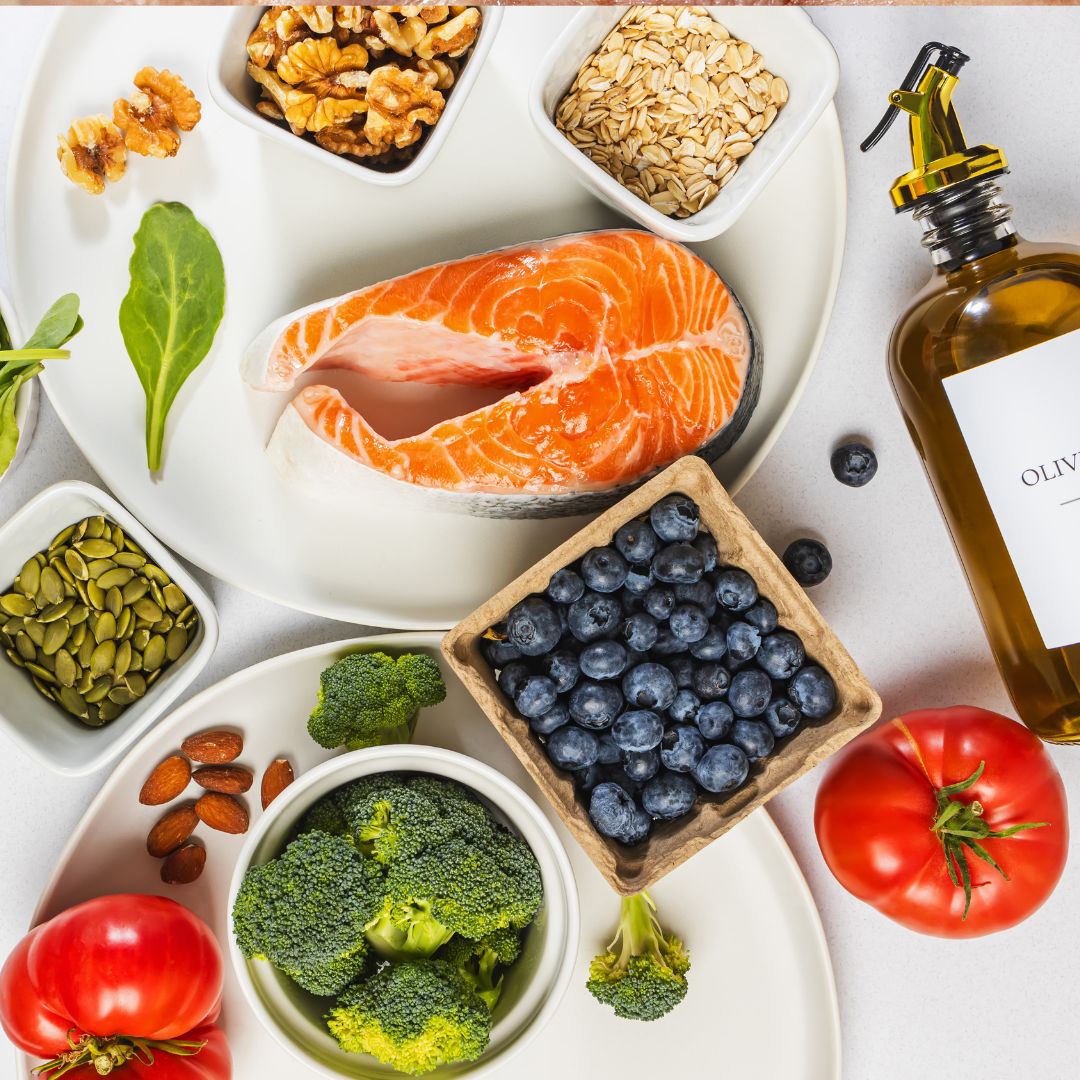
Top Tips: Eating for Healthy Skin
We often think of skincare as something that happens in the bathroom. We cleanse, moisturise, exfoliate and apply sunscreen, yet the skin is also maintained from within throughout the day.
Skin cells need energy and nutrients. Collagen formation requires amino acids and vitamin C. The skin barrier contains fats that help limit water loss, while antioxidant defence systems rely on nutrients obtained through the diet.
This does not mean that one food will clear acne, cure eczema or remove wrinkles. Skin health is influenced by hormones, genetics, immune function, medication, sun exposure, stress and skincare, as well as nutrition. However, food provides many of the raw materials needed for normal skin structure and maintenance. A varied diet containing adequate protein, healthy fats and plenty of colourful plants is likely to offer more meaningful support than chasing the latest so-called superfood.
Here are my top tips for eating for healthy skin.
1. Eat the Rainbow, but Understand Why
“Eat the rainbow” can sound like vague nutrition advice, but the colours in plant foods often represent different families of naturally occurring compounds.
Tomatoes and watermelon contain lycopene. Carrots, squash and sweet potatoes provide beta-carotene. Dark leafy vegetables contain lutein and beta-carotene, while berries, red cabbage and blackcurrants contain anthocyanins. Many of these compounds interact with the body’s antioxidant defence systems.
Your body naturally produces reactive molecules during metabolism, energy production and immune defence. Oxidative stress occurs when the production of these molecules exceeds the body’s capacity to manage them.
Within the skin, ultraviolet radiation, pollution and cigarette smoke can add to this burden. Excessive oxidative stress may damage cell membranes, proteins and DNA. It can also activate inflammatory pathways and enzymes involved in breaking down collagen and other components of the skin’s supporting structure.
The aim is not to eliminate oxidation. Reactive molecules also perform useful biological roles. Instead, the goal is to provide the nutrients the body uses within its own defence and repair systems.
Regularly include a mixture of berries, cherries, plums, blackcurrants, tomatoes, peppers, watermelon, carrots, pumpkin, sweet potato, broccoli, watercress, leafy greens, red cabbage, beetroot and aubergine. Herbs, spices, tea, coffee and cocoa also contribute useful plant compounds.
You do not need every colour at every meal. Aim to eat several colours across the day and vary them throughout the week.
2. Include Vitamin C-Rich Foods Every Day
Vitamin C is one of the nutrients most directly involved in normal skin structure. It contributes to normal collagen formation for the normal function of skin and also contributes to the protection of cells from oxidative stress.
Collagen begins as chains of amino acids. Before these chains can become strong, stable collagen fibres, they must undergo several chemical modifications. Vitamin C acts as a cofactor for enzymes involved in this process. In simpler terms, protein provides the building materials, while vitamin C helps the body assemble them into normal collagen.
Useful sources include red and yellow peppers, blackcurrants, strawberries, kiwi fruit, citrus fruit, broccoli, Brussels sprouts, watercress, leafy greens, tomatoes and new potatoes. Vitamin C is water-soluble and can be reduced by prolonged cooking, so include a mixture of raw and lightly cooked produce where possible.
3. Do Not Forget Protein
Collagen is a protein, and normal tissue maintenance depends on an adequate supply of amino acids. This does not mean that eating collagen sends it directly to the face. Dietary proteins are broken down into amino acids and small peptides, which the body then uses for muscles, enzymes, immune proteins, connective tissue and skin.
Protein intake is often uneven. Breakfast may consist mainly of toast or cereal, lunch can be light, and most of the day’s protein is left until dinner. Including a meaningful protein source at each meal makes it easier to meet overall requirements.
Good options include eggs, fish and seafood, poultry, lean meat, Greek yoghurt, cottage cheese, kefir, tofu, tempeh, edamame, beans, lentils and chickpeas.
Plant-based diets can provide the amino acids required for the body’s own collagen production. Plants do not contain collagen, but this does not mean animal collagen must be eaten.
The important factors are sufficient total protein, enough energy, dietary variety and an adequate intake of vitamin C.
4. Make Polyphenols Part of Ordinary Meals
Polyphenols are a large family of plant compounds found in vegetables, fruit, tea, coffee, cocoa, herbs, spices, nuts, seeds and extra virgin olive oil.
Laboratory studies suggest that some polyphenols interact with antioxidant defence, inflammatory signalling and enzymes involved in collagen breakdown. Human evidence is more variable because polyphenols are extensively digested and metabolised.
Their effects also depend on the food, the amount consumed, the gut microbiome and the wider dietary pattern.
This means it is more sensible to eat a wide range of polyphenol-rich foods than to expect one ingredient to transform the skin.
Easy ways to increase them include adding berries, cherries or chopped apple to breakfast, using extra virgin olive oil on salads and vegetables, adding herbs and spices generously to meals, drinking green or black tea, choosing red onion, red cabbage and aubergine, and adding natural cocoa to yoghurt or porridge.
Cocoa is an interesting example. Some small controlled studies using specially standardised high-flavanol cocoa products have reported changes in skin blood flow, elasticity or responses to UV exposure.
These products are not the same as an ordinary chocolate bar, so the research does not mean unlimited chocolate becomes a skincare strategy, unfortunately. A couple of squares of dark chocolate can, however, be enjoyed as part of a balanced diet.
5. Include Omega-3 Fats Regularly
Fats are sometimes overlooked in conversations about skin, yet the skin barrier contains a complex mixture of lipids that helps restrict excessive water loss and protect against the external environment.
Omega-3 fatty acids are also used to produce signalling molecules involved in regulating inflammatory responses. The most biologically active omega-3 fats are EPA and DHA, found mainly in oily fish such as salmon, sardines, mackerel, trout, herring and anchovies. UK guidance recommends eating at least two portions of fish each week, including one portion of oily fish, although maximum recommended intakes differ for certain groups.
Walnuts, chia seeds, hemp seeds and ground flaxseed provide the plant omega-3 fat alpha-linolenic acid, or ALA. The body can convert some ALA into EPA and DHA, but the conversion is limited. These foods remain valuable sources of fibre, minerals and unsaturated fats, although they are not nutritionally identical to oily fish. People who do not eat fish may wish to use omega-3-fortified foods or discuss an algae-derived EPA and DHA supplement with a suitably qualified professional.
Research into omega-3 fats and individual skin conditions remains mixed, so oily fish should not be presented as a treatment for acne, eczema or rosacea. It can, however, form part of a balanced dietary pattern that provides fats needed for cell membranes and normal inflammatory regulation.
6. Use Extra Virgin Olive Oil as a Daily Staple
Extra virgin olive oil is more than simply a source of monounsaturated fat. It also provides phenolic compounds that distinguish it from more heavily refined oils. It is a central part of the traditional Mediterranean diet, alongside vegetables, fruit, beans, lentils, wholegrains, nuts, seeds, herbs and fish.
Research has associated Mediterranean-style dietary patterns with better cardiometabolic health and more favourable markers of inflammation and oxidative stress. Direct evidence relating specifically to skin appearance is less extensive, so it should not be promoted as a wrinkle-reducing diet.
Its value is that it brings together many nutrients involved in normal skin maintenance, including vitamin C, carotenoids, polyphenols, omega-3 fats, protein, vitamin E, zinc and selenium.
Use extra virgin olive oil as a salad dressing, drizzle it over cooked vegetables or add it to beans, soups and wholegrains.
It can also be used for normal home cooking. There is no need to save it exclusively for cold dishes, although repeatedly overheating any oil should be avoided.
Food cannot promise flawless or ageless skin. What it can do is provide nutrients involved in normal collagen formation, antioxidant protection, tissue maintenance and the function of the skin barrier.
For more about collagen, skin structure and oxidative stress, read Skin Health from Within.
And if you'd like to know more, why not book in a free call with me?
Persistent acne, eczema, unexplained rashes, non-healing areas or changes to a mole should be assessed by a GP, pharmacist or dermatologist. Nutritional support can complement appropriate care but should not replace medical diagnosis or treatment.

Please get in touch and find out more - I offer a free 30-minute exploratory call.


.png)












Copyright 2026 all rights reserved
Privacy Policy | Cookie Policy
Website by Phuse Media - Web Design Leigh on Sea
Photography by Petra Blacklock Photography

Please feel free to be in touch with our sister clinic which specialises in PCOS
Alex Allan Nutrition is part of the Green Leaf Company (London) Ltd, a limited company registered in England and Wales. Registered number: 10990293
Disclaimer: ‘Please note that nutritional therapy is not medical advice - this should always be sought from your doctor or other medical provider. I aim to work alongside your doctor or GP to provide nutritional and lifestyle advice to support any underlying imbalances.'
