Top Tips: 8 Evidence-Based Habits for Better Sleep
If your sleep is not brilliant, you have probably been given plenty of advice already.
Go to bed earlier. Put your phone away. Buy blackout curtains. Stop drinking coffee. Meditate. Take magnesium. Don't eat after 6pm. Get up at 5am. Somehow relax more.
Before long, getting a good night's sleep can start to feel like another full-time job.
The good news is that you do not need a perfect 27-step bedtime routine. Sleep is influenced by what happens throughout the whole day, and some habits appear to matter considerably more than others.
Here are eight evidence-based places to start.
1. Give Your Body Clock Some Regularity
It is tempting to focus entirely on getting eight hours of sleep, but researchers are increasingly interested in another aspect of sleep health: regularity.
Going to sleep and waking at wildly different times from one day to the next can create a mismatch between our behaviour and our internal circadian clock.
A 2025 systematic review involving 59 studies found fairly consistent associations between greater sleep-timing irregularity and poorer cardiometabolic and mental health outcomes. Some large prospective studies have also linked highly irregular sleep with greater mortality risk, even after taking sleep duration into account.
This suggests that sleep health is about more than simply accumulating a certain number of hours.
If you want one practical anchor, focus on your wake-up time. Try to get up at roughly the same time most days rather than continually shifting your schedule backwards and forwards.
2. Get Outside During the Day
Your brain needs clues about what time it is, and light is one of the most powerful signals it receives.
Light reaching the eyes is detected by specialised cells that communicate with the suprachiasmatic nucleus, the brain's central circadian clock. This helps coordinate rhythms in alertness, body temperature, hormone secretion and sleep.
Bright daytime light, particularly earlier in the day, helps reinforce the difference between biological day and night. By contrast, spending much of the day in relatively dim indoor light and then exposing ourselves to bright light late into the evening can blur those signals.
Get outside. Have your morning coffee in the garden. Walk to the station. Take a short walk after breakfast. Step outside during your lunch break.
Outdoor daylight is generally much brighter than normal indoor lighting, even on a cloudy British day. And you gain the added benefits of moving your body at the same time.
3. Move Your Caffeine Earlier
This is one of the changes most worth experimenting with if you struggle to sleep. Caffeine blocks the action of adenosine, one of the chemicals involved in building sleep pressure during the day.
A systematic review and meta-analysis found that caffeine reduced total sleep time by around 45 minutes on average. It also increased the time taken to fall asleep, increased waking during the night and reduced deep sleep.
The researchers estimated that a coffee containing around 107mg caffeine would need to be consumed approximately 8.8 hours before bedtime to avoid reducing total sleep time.
It does not mean everyone needs an 8.8-hour caffeine curfew. Run your own experiment. If you normally have coffee at 3pm, try moving your last caffeinated drink to lunchtime for a couple of weeks and see what happens.
And remember that caffeine can also come from tea, cola, energy drinks, chocolate and pre-workout supplements.
4. Exercise, But Don't Worry Too Much About the Perfect Time
Regular physical activity is one of the most useful lifestyle habits for health generally, and there is good evidence that exercise can also support sleep.
A large 2026 systematic review and meta-analysis included 200 randomised trials involving more than 23,000 adults and found improvements in subjective sleep quality with exercise.
But when should you exercise? For years, people with poor sleep were routinely told not to exercise in the evening. The research is more nuanced.
A new 2026 systematic review comparing morning with evening exercise included 25 studies. Overall, it found no clear advantage of morning over evening exercise for most sleep outcomes. So, if the only time you can exercise is at 6pm, there is probably no need to abandon it because somebody told you all evening exercise is bad for sleep. But if a hard 9pm HIIT class leaves you buzzing at midnight, however, listen to your own response.
The best exercise time is likely to be one that you can maintain and that works with your sleep.
5. Notice What Alcohol Does to Your Sleep
Alcohol can be deceptive. A drink may make you feel relaxed or drowsy, which makes it very easy to conclude that it helps you sleep. But feeling sedated is not the same as having normal, restorative sleep.
A 2025 systematic review and meta-analysis of 27 studies found that alcohol disrupted normal sleep architecture, including delaying REM sleep and reducing the amount of REM sleep. These changes were found even following relatively low amounts of alcohol and became greater as alcohol intake increased.
If you regularly wake during the night, feel hot or restless, or wake feeling unrefreshed after drinking, try comparing alcohol-free and drinking nights. Your own pattern can be surprisingly revealing.
6. Give Your Evening Meal Time to Settle
Research into chrononutrition, or how food timing interacts with our circadian rhythms, is developing, but there is not yet enough evidence to justify rigid meal-time rules for everyone. Studies of time-restricted eating and sleep have also produced inconsistent findings.
There are, however, simple practical considerations.
A very large meal immediately before lying down may leave you uncomfortably full and can be problematic if you experience reflux or indigestion. Look at the pattern across your whole day.
If breakfast is tiny, lunch is eaten at your desk and you arrive home ravenous, it is hardly surprising if most of your food ends up being eaten in the evening.
Aim for satisfying meals containing protein, fibre-rich carbohydrate, vegetables and healthy fats, rather than relying on an arbitrary rule such as "no food after 6pm". Just try and finish your meal around 3 hours before going to bed.
7. Create a Wind-Down Signal, Not a Perfect Routine
Your brain cannot necessarily switch instantly from answering emails, watching an exciting television programme or sorting out tomorrow's problems to being ready to sleep.
An evening transition can help. A bit like the bedtime routine that we put together for babies and children. That might mean dimming some lights, having a shower or bath, reading, stretching, listening to music or practising a relaxation exercise, having a cup of sleepy tea.
So, choose an evening routine that feels calming and achievable. You do not need to perform it perfectly for your body to sleep.
8. Know When to Stop Trying to Fix It Yourself
This may be the most important tip of all. If you occasionally have a poor night's sleep, that is normal.
If you have been struggling for months, sleep problems are affecting your ability to function during the day, or you are becoming increasingly anxious about sleep, another supplement or stricter bedtime routine may not be the answer.
It is also important to investigate possible underlying causes. Speak to your GP if persistent sleep problems are affecting daily life. Seek medical assessment if you have symptoms suggesting sleep apnoea, such as loud snoring, pauses in breathing, gasping or choking during sleep, frequent waking or severe daytime tiredness.
Restless legs, pain, menopause symptoms, anxiety, depression, some medications and other medical conditions can also interfere with sleep.
Poor sleep is not always a sign that you are doing bedtime badly.
Start with One Thing
Perhaps the biggest mistake we make with sleep is trying to optimise everything at once.
Instead, choose one change.
Then give yourself enough time to see whether it actually makes a difference.
Because sleep is not something we can force. Often, the most useful thing we can do is create the conditions that allow our biology to get on with it.
Need Some Support?
Sleep, energy, stress, food and lifestyle habits often overlap. If you are struggling to work out which changes are actually relevant to you, personalised nutrition and lifestyle support can help you look at the bigger picture. Why not book a free health review?
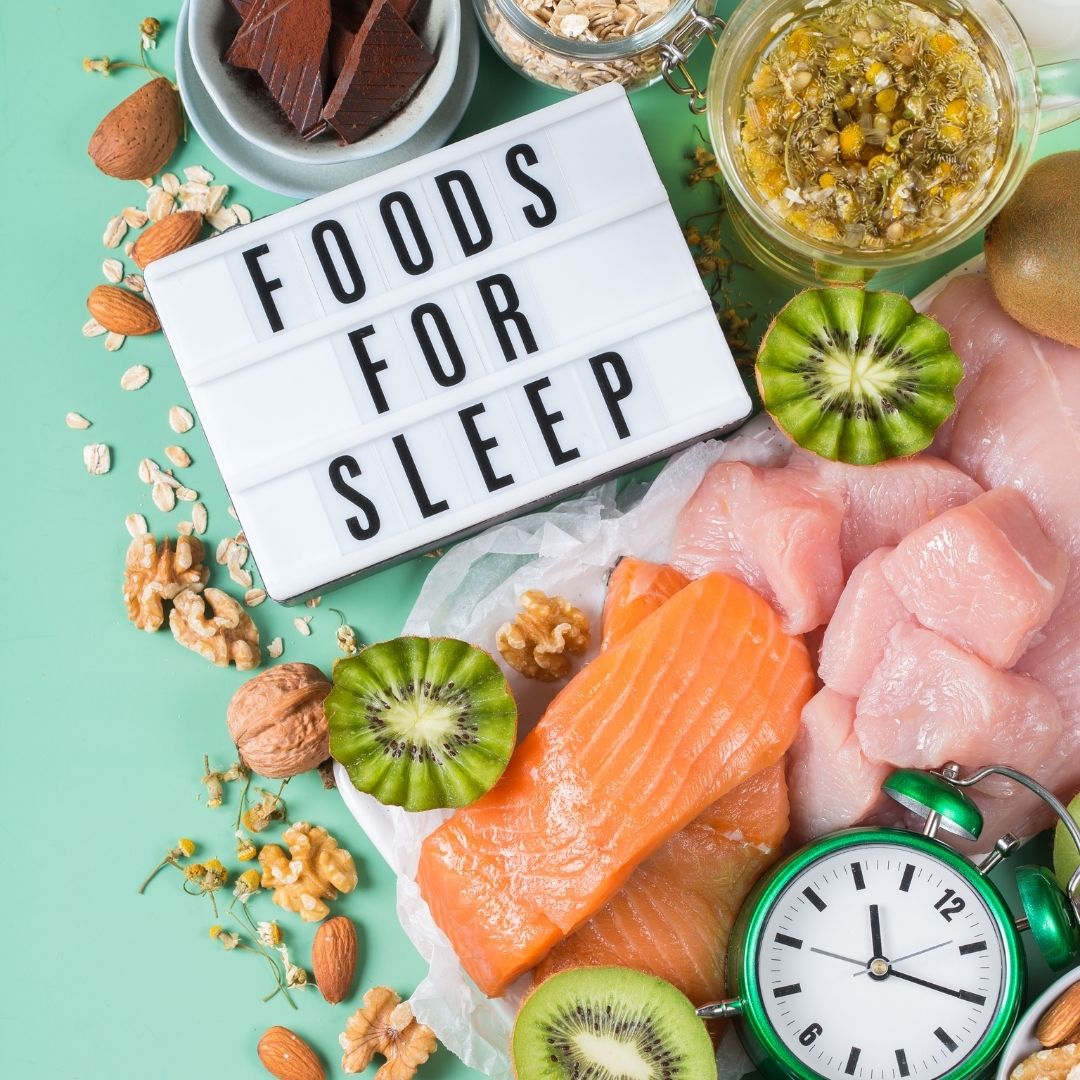
Can What You Eat Really Affect Your Sleep?
Magnesium before bed. Two kiwi fruit. Tart cherry juice. Turkey because it contains tryptophan. No carbs after 6pm.
Social media has no shortage of foods, drinks and supplements promising the perfect night’s sleep.
It is easy to see the appeal. If you are lying awake at 2am, the idea that adding one particular food to your evening routine might solve the problem is often more appealing than hearing that sleep is influenced by a complicated combo of biology, lifestyle, environment and health.
But can what you eat really affect how well you sleep?
The answer is probably yes, but not quite in the way Instagram would have us believe.
Sleep and Diet Influence Each Other
One of the difficulties with sleep research is that the relationship between food and sleep works in both directions.
What we eat may influence sleep, but how well we sleep can also affect what and how much we eat. Experimental research suggests that inadequate sleep can increase energy intake and alter eating behaviour. Think about the morning after a terrible night’s sleep. You may be more likely to reach for another coffee, crave quick-energy foods, and have less motivation to cook.
So, if people who eat a healthier diet also sleep better, we cannot automatically conclude that the food caused the better sleep. Perhaps people who sleep well also find it easier to eat well, exercise regularly and drink less alcohol. Often, the relationship probably works both ways.
Does Your Overall Diet Matter?
Increasingly, researchers are looking beyond individual “sleep foods” towards whole dietary patterns. One of the most studied is the Mediterranean diet, characterised by plenty of vegetables, fruit, pulses, wholegrains, nuts, seeds, extra virgin olive oil and fish.
A large 2025 systematic review and meta-analysis brought together 62 studies involving more than 328,000 people. Greater adherence to a Mediterranean-style diet was associated with better sleep duration and sleep quality. That sounds impressive, but there is an important caveat.
Much of this evidence is observational. It shows an association, but it cannot prove that following a Mediterranean diet caused people to sleep better. There was also considerable variation between studies.
Nevertheless, it is interesting that the dietary pattern already associated with wider cardiometabolic health also appears to sit alongside healthier sleep.
What About Tryptophan-Rich Foods?
Tryptophan is one sleep-related nutrient where there is more than just an interesting theory. It is an essential amino acid, meaning that we need to obtain it from food. Sources include eggs, fish, poultry, dairy foods, soy, pulses, nuts, seeds and oats.
Why might it matter? The chemical conversion pathway in the body looks roughly like this:
Tryptophan → 5-HTP → serotonin → melatonin
Tryptophan can be converted into 5-hydroxytryptophan, or 5-HTP, and then into serotonin, a neurotransmitter involved in mood and sleep-wake regulation. Serotonin can subsequently be converted into melatonin, one of the hormones involved in signalling biological night. There is a plausible biological connection between dietary tryptophan and sleep, which has been backed up by evidence.
A systematic review and meta-analysis found that tryptophan supplementation reduced wakefulness after sleep onset, particularly at intakes of 1g or more, although it did not significantly improve every sleep measure studied.
There is less research into tryptophan-rich foods and proteins but it is interesting. Studies of alpha-lactalbumin, a milk protein naturally rich in tryptophan, suggest potential effects on tryptophan availability and aspects of sleep, although trials remain relatively small.
There is one important complication, however. Tryptophan has to cross the blood-brain barrier, and it competes with several other large neutral amino acids for transport. This means that simply eating a huge portion of protein does not necessarily result in large amounts of tryptophan reaching the brain. Researchers therefore sometimes consider the ratio of tryptophan to competing amino acids, rather than tryptophan intake alone.
Where Does Vitamin B6 Fit In?
The pathway also depends on other nutrients. Vitamin B6, in its active form pyridoxal-5'-phosphate, is required for the conversion of 5-HTP into serotonin. The earlier conversion of tryptophan to 5-HTP also depends on other cofactors, including iron and tetrahydrobiopterin.
This does not mean that everyone with poor sleep needs a vitamin B6 supplement.
Instead, it reinforces a much more useful nutritional message: normal neurotransmitter pathways rely on an adequately nourished body, not on consuming one “magic” sleep nutrient in isolation.
Foods containing vitamin B6 include poultry, fish, potatoes, chickpeas, bananas and fortified cereals, so a varied diet will generally provide multiple nutrients involved in these pathways.
And what about the famous turkey dinner making everyone sleepy?
Turkey contains tryptophan, but so do many other protein foods. The post-Christmas-lunch slump is much more likely to reflect a combination of a large meal, alcohol, time of day and general festive exhaustion than a uniquely sedating effect of turkey.
Does Eating Late Affect Sleep?
Meal timing is another area where social-media certainty has raced ahead of the science.
You may have heard that you should never eat after 6pm or that eating close to bedtime disrupts your body clock.
The emerging field of chrononutrition examines how meal timing interacts with circadian rhythms. It is fascinating but still developing.
There are, however, practical reasons why a very large meal immediately before bed may not suit everyone. Reflux, indigestion and simply feeling overfull can interfere with sleep.
Rather than looking at a specific 6pm cut-off, look at your daily patterns. Aim to finish your evening meal at least 3 hours before going to bed – that way you will have properly digested that meal before lying down for sleep.
Caffeine Probably Matters More Than Most “Sleep Foods”
If we are talking about nutrition and sleep, caffeine deserves considerably more attention than fancy bedtime drinks.
A systematic review and meta-analysis of 24 studies found that caffeine reduced total sleep time by around 45 minutes on average. It also increased the time taken to fall asleep and reduced deep sleep.
Individual sensitivity varies enormously, so there is no perfect caffeine cut-off for everyone. But before spending money on a supplement designed to improve sleep, it is worth asking whether your afternoon coffee, strong tea, energy drink or pre-workout supplement might be quietly working in the opposite direction.
Alcohol: Sleepy Is Not the Same as Sleeping Well
Alcohol is another interesting example because it can make us feel drowsy. That initial sedation can easily be interpreted as better sleep.
However, a 2025 systematic review and meta-analysis found that alcohol altered normal sleep architecture, particularly REM sleep. Changes were detectable even at relatively low alcohol intakes and became more pronounced as intake increased.
So, although alcohol may make falling asleep feel easier for some people, sedation is not the same as restorative sleep. If you regularly wake during the night or feel unrefreshed in the morning, alcohol is worth considering as part of the picture.
What About Tart Cherry Juice?
Tart cherries contain small amounts of melatonin as well as plant compounds including anthocyanins, which has led to interest in their effects on sleep.
A 2025 systematic review found only seven intervention studies. Some reported improvements in measures such as sleep duration, efficiency or time taken to fall asleep, but studies differed considerably in the people involved, the dose and the length of the intervention.
So, my verdict would be: Interesting? Yes. Proven sleep remedy? No.
Tart cherry juice is also still fruit juice, so depending on the product and quantity it may provide a meaningful amount of free sugars, so ensure to drink it alongside a protein-containing meal.
Should We All Be Eating Two Kiwi Before Bed?
Kiwi fruit is another favourite of the sleep-hack world. A small study involving 24 adults with self-reported sleep difficulties found improvements after participants ate two kiwifruit an hour before bed for four weeks.
More recently, a 2026 review examining melatonin-containing foods, including cherries and kiwifruit, found potentially promising effects on sleep quality, duration and efficiency.
But the studies varied considerably in their methods, doses and populations. So, if you like kiwi, enjoy it. It is nutritious and contributes fibre, vitamin C and other plant compounds. But we are not yet at the point where two kiwis before bed should be prescribed as a treatment for insomnia.
What Should You Eat for Better Sleep?
Probably not a special “sleep diet”. If we step away from individual superfoods, a much more sensible picture emerges.
Eat adequately through the day and include a variety of protein foods, vegetables, fruit, wholegrains or other fibre-rich carbohydrates, healthy fats, pulses, nuts and seeds. Foods naturally containing tryptophan and the nutrients involved in serotonin metabolism can form part of that pattern without needing to become bedtime prescriptions.
Keep caffeine at a time of day that suits your individual sensitivity. Notice how alcohol affects you. Avoid evening meals that are so large or late that they leave you uncomfortable.
If sleep remains persistently poor, food may be one piece of the puzzle, but it is unlikely to be the whole picture. Stress, light exposure, activity, hormones, pain, medication and medical sleep disorders can all matter too.
Sometimes the best nutrition advice is knowing when nutrition is not the only answer.
If conflicting nutrition advice is leaving you unsure what actually matters, my approach is to look at the evidence, your wider health picture and the changes that are realistic for you. Why not book in a free health review?
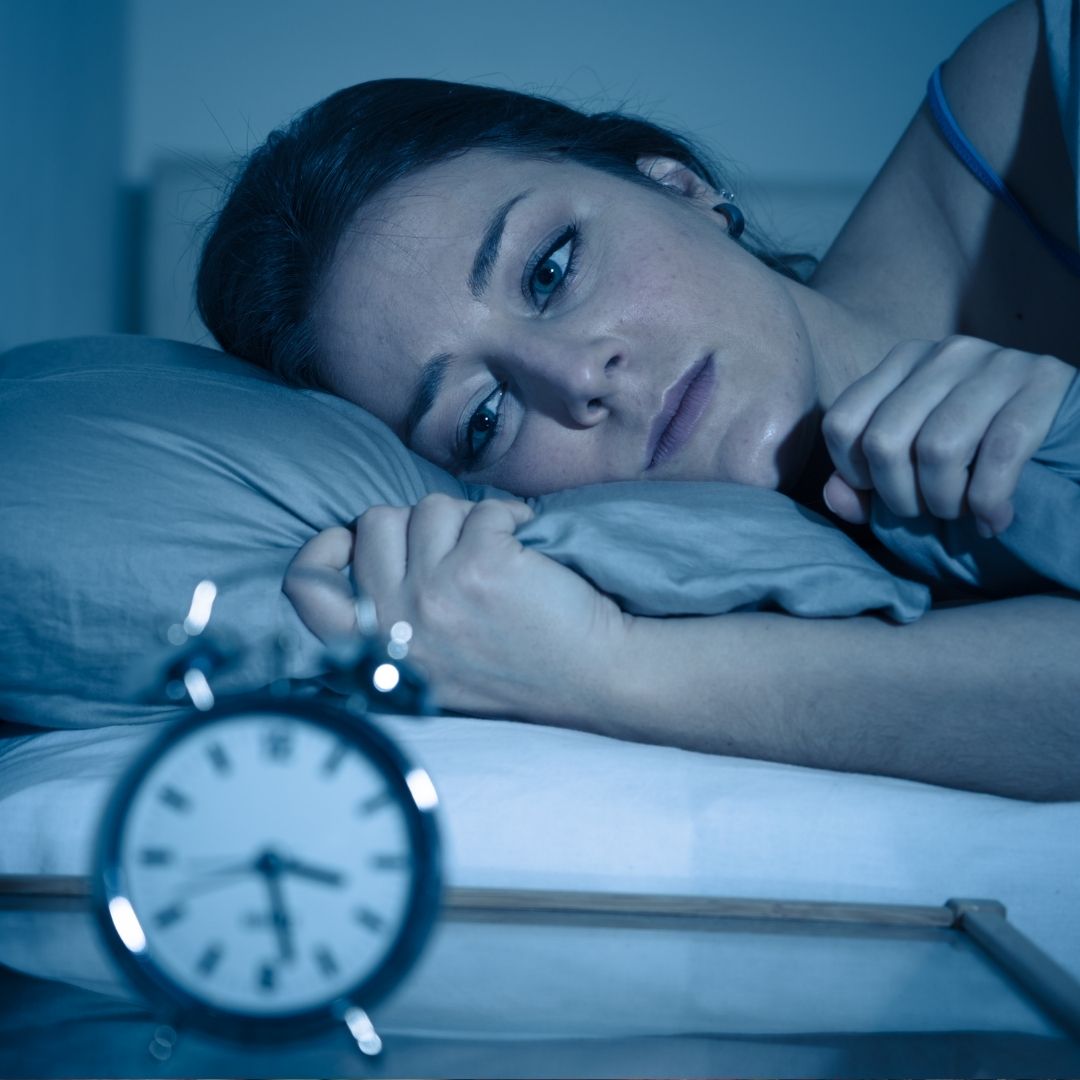
Why Am I Tired All Day but Wide Awake at Night?
There is a particularly frustrating kind of tiredness that many of us will recognise – dragging ourselves through the afternoon, relying on coffee or sugar to keep us going, only to find that by the time you get into bed to all of a sudden feel completely alert. Sound familiar? Your body feels exhausted, but your brain seems to have other ideas.
We often blame poor sleep on things like stress, hormones, blood sugar or “high cortisol”. These things could be relevant, but sleep is much more complicated than that. Two major biological systems help determine when we feel sleepy and when we feel awake, and our daily routines can either work with them or work against them.
Tired Is Not Always the Same as Sleepy
Sleep is partly controlled by something called sleep pressure. The longer we are awake, the stronger that pressure generally becomes. One of the chemicals involved is called adenosine, and this builds up during waking hours and contributes to our drive to sleep.
At the same time, we have an internal circadian timing system, often described as our body clock. This produces roughly 24-hour rhythms in sleep and wakefulness, alertness, hormone secretion, body temperature and many other aspects of physiology.
This means you can be physically tired but still receive a strong biological “stay awake” signal at the wrong time. That is one reason spending an exhausted afternoon on the sofa does not necessarily guarantee that you will fall asleep easily at 10pm.
Your Body Clock Needs Time Signals
Our circadian clock does not operate in isolation. It takes cues from the outside world, and light is the most important of these.
Light reaching the eyes helps the brain work out what time of day it is. Bright daytime light, particularly earlier in the day, supports the normal timing of our sleep-wake rhythm, while bright light late in the evening can shift circadian timing later in susceptible people. Therefore spending much of the day indoors in relatively dim light, followed by a brightly lit evening, is almost the opposite of the light pattern our biology evolved around.
A simple starting point is to get outside during daylight hours, particularly earlier in the day when possible. A walk, breakfast outside or a few minutes having a cup of tea in the garden can all provide a clear daytime signal.
Could Caffeine Be Lasting Longer Than You Think?
Coffee can easily become part of a vicious circle. You sleep badly, so you need more caffeine the following day. That caffeine may then make the next night slightly worse, encouraging another coffee-fuelled day.
Caffeine works partly by blocking adenosine receptors, reducing that feeling of sleep pressure. The effect can last much longer than many people realise.
A 2023 systematic review and meta-analysis of 24 studies found that caffeine reduced total sleep time by around 45 minutes on average. It also reduced sleep efficiency, increased the time taken to fall asleep and reduced deep sleep. Based on the studies included, the researchers estimated that a coffee containing around 107mg caffeine would need to be consumed about 8.8 hours before bedtime to avoid reducing total sleep time.
People metabolise caffeine differently, and the caffeine content of coffee can vary considerably. However, if you regularly struggle to fall asleep, wake often in the night, or don’t feel refreshed in the morning, experimenting with an earlier caffeine cut-off is a sensible place to start.
And remember, caffeine is not only found in coffee. Tea, cola, energy drinks, chocolate and some sports or pre-workout products can all contribute.
Why Alcohol Can Make You Sleepy but Still Disrupt Sleep
A glass of wine may feel relaxing, and alcohol can make people feel drowsy. This sometimes leads to the conclusion that alcohol helps sleep. Sedation, however, is not the same thing as good-quality sleep!
A systematic review and meta-analysis published in 2025 examined 27 studies and found that alcohol altered normal sleep architecture. In particular, it delayed the onset of REM sleep and reduced the amount of REM sleep. These effects were seen even at relatively low alcohol intakes and became more pronounced as intake increased.
This may be particularly relevant in midlife, when sleep can already be affected by hot flushes, night sweats, stress or changes in sleep patterns. If your sleep is noticeably worse after drinking, it is worth observing the pattern rather than automatically assuming the problem is simply “hormonal”.
What About Eating Late?
Meal timing and sleep is an interesting area of research, but it is also one where social-media certainty has raced ahead of the evidence.
There are good practical reasons why a very large meal immediately before bed may not suit everyone. Reflux, indigestion, feeling overly full or simply being uncomfortable can interfere with sleep. However, there is not good evidence that everybody needs to stop eating at a particular clock time.
Ideally, we should be looking to finish eating our meal at least 3 hours before we go to sleep. So if bedtime is at 10.30pm, you want to make sure you’ve finished your evening meal by 7.30pm, if you can.
Sometimes Poor Sleep Isn't a Lifestyle Problem
It is easy to turn sleep into another wellness project and assume that if you just find the right routine, supplement or evening drink, you should be able to fix it yourself.
But persistent sleep problems can have many causes.
Menopause and perimenopause are important examples. A 2024 meta-analysis involving 37 studies and more than 29,000 women estimated that around half of women studied during menopause had poor sleep quality, although prevalence varied considerably between studies.
Pain, anxiety and depression, some medications, restless legs syndrome, thyroid problems and obstructive sleep apnoea can also contribute to poor or disrupted sleep.
Sleep apnoea is particularly important not to miss. NHS symptoms include loud snoring, breathing that stops and starts during sleep, gasping or choking noises, frequent waking and marked daytime tiredness. If that sounds familiar, it is worth speaking to your GP.
Likewise, if you have had insomnia for months, changes to your sleeping habits have not helped, or poor sleep is making daily life difficult, the NHS recommends seeking medical advice.
For long-term insomnia, cognitive behavioural therapy for insomnia, known as CBT-I, is considered a first-line treatment, rather than simply adding more and more sleep-hygiene rules.
What Can You Do Tonight?
If you are tired all day but wide awake at night, resist the temptation to change everything at once. Start by looking for the patterns that may be sending mixed signals to your sleep-wake system.
Try keeping your wake time reasonably consistent, even after a poor night. Get outside during the day, particularly earlier on if you can. Experiment with moving caffeine earlier and notice whether alcohol affects the quality of your sleep.
Make sure you are eating adequately through the day rather than arriving at the evening ravenous, and give yourself some transition time between a busy day and bed.
Most importantly, do not judge your sleep solely by whether you have performed the perfect bedtime routine.
If poor sleep persists, or you are regularly exhausted despite spending enough time in bed, it is worth looking beyond the obvious. Sometimes the most useful next step is not another supplement or sleep hack, but working out what is actually getting in the way.
Need Some Support?
Sleep, energy, stress, eating patterns and health rarely exist in isolation. If several of these areas are starting to overlap, personalised nutrition and lifestyle support can help you look at the bigger picture and identify realistic changes that work for you. Why not book in a free call?

Electrolytes, Hydration and Energy
If you often find that your energy dips during the summer months, it can be easy to assume it’s just because you are busy, tired from the heat or not sleeping well. And, yes of course, those things could be part of the picture. But there may be another basic factor that you have missed: hydration.
In warmer weather, during travel, after exercise, or on days when you are rushing around and drinking less than usual, your fluid and electrolyte balance can shift. This can leave you feeling tired, headachy, light-headed, sluggish, constipated, foggy or even more prone to cravings.
It’s good to note that hydration is not just about drinking lots of plain water. Your body also relies on electrolytes, these are minerals such as sodium, potassium, magnesium, calcium and chloride, to help regulate fluid balance, nerve signalling, muscle function and normal cellular processes.
That doesn’t mean everyone needs to be popping expensive electrolyte powders every day. For most of us, the best place to start is much simpler: regular fluids, water-rich foods, balanced meals and a little more attention to salt and minerals when the weather is hot, you are sweating more, travelling, exercising (or losing fluid through diarrhoea or vomiting!).
Why Hydration Affects Energy and Digestion
Water is involved in almost every system in the body. It helps regulate body temperature, supports circulation, carries nutrients, helps remove waste products, supports concentration and helps keep the digestive system moving.
So when your fluid intake drops, your body has to work much harder. Blood volume may reduce slightly, which can contribute to feeling light-headed, tired or less able to concentrate. Your mouth may feel dry, your urine may become darker, and you may notice headaches or a general sense of feeling below par.
Digestion can also be affected. If you are prone to constipation, dehydration can make stools harder and more difficult to pass. The bowel draws water back into the body when fluid intake is low, which can leave stools drier and slower moving.
Hydration also matters if you are prone to diarrhoea. Loose stools do not just mean water loss. They can also mean loss of electrolytes, particularly sodium and potassium. This is one reason why oral rehydration salts are often recommended when diarrhoea is more than mild, especially when travelling, in hot weather, or if you are at higher risk of dehydration.
This is where the “just drink more water” advice can be too simplistic. Water matters, but if you are losing fluid through sweat or diarrhoea, you may also need to think about the minerals being lost alongside it.
Signs You May Need More Electrolytes
Electrolytes are minerals that carry an electrical charge when dissolved in fluid. They help your body maintain fluid balance and support normal nerve and muscle function.
The main electrolytes people tend to hear about are sodium and potassium, but magnesium, calcium, chloride, phosphate and bicarbonate are also part of the picture. You get these through food and fluids, and your kidneys play a major role in keeping levels balanced.
You may need to pay more attention to electrolytes if you are sweating heavily, exercising for longer periods, spending time in hot weather, travelling in a hot climate, drinking more alcohol than usual, or losing fluid through vomiting or diarrhoea.
That does not automatically mean you need a sports drink. It means your hydration strategy may need to be more than a few sips of water.
Sweating, Fatigue and Dizziness
Sweat contains water and electrolytes, especially sodium. Some people lose more salt through sweat than others. You may notice this if your clothes have white marks after exercise, your skin tastes salty, or you feel unusually wiped out after sweating heavily.
The NHS advises that heat exhaustion can happen during hot weather or exercise. Symptoms may include tiredness, dizziness, headache, feeling sick, excessive sweating, cramps and intense thirst. If someone does not improve after cooling down, or symptoms become more serious, medical help is needed.
This is particularly important for older adults, children, pregnant women, people with heart or kidney conditions, those taking certain medications, and anyone who is unwell. In these situations, dehydration and heat illness can become more serious more quickly.
For most healthy adults, prevention is practical rather than complicated. Drink regularly across the day, keep an eye on urine colour, increase fluids in hot weather or after sweating, and include mineral-rich foods rather than relying on coffee, alcohol or occasional large glasses of water.
Food-First Hydration Strategies
For most people, hydration support should start with food and routine, rather than supplements.
The NHS recommends aiming for around 6 to 8 cups or glasses of fluid per day, although you may need more if you are in a hot environment, physically active, pregnant or breastfeeding. Water is the obvious choice, but it is not the only one. Herbal teas, milk, smoothies, soups and water-rich foods can all contribute to fluid intake. Tea and coffee can contribute too, although relying heavily on caffeine may not be ideal if you are anxious, sleep deprived or prone to reflux or loose stools.
Water-rich foods can be particularly helpful in summer. Cucumber, tomatoes, courgettes, lettuce, watermelon, strawberries, citrus fruits, peppers, soups, yoghurt and smoothies all provide fluid as well as nutrients.
Electrolyte-rich foods can also be built into normal meals:
A practical summer hydration day might look like this:
Have water on waking, then breakfast with fluid and minerals, such as Greek yoghurt with berries and seeds, or eggs with sourdough and spinach.
Keep a bottle with you during the day, especially if travelling, commuting or spending time outdoors.
Include a water-rich lunch, such as a chicken and avocado salad with potatoes, a lentil and vegetable soup, or a salmon rice bowl with cucumber and peppers.
Add mineral-rich snacks where needed, such as fruit with yoghurt, oatcakes with hummus, a handful of nuts and seeds, or watermelon with feta.
This is simple, but it can make a real difference. Many people do not need a complicated hydration plan. They need regular fluids, enough minerals, enough food and a better awareness of when their needs increase.
When Electrolyte Drinks May Be Useful
Electrolyte drinks can be useful, but they are not all created equal and they are not automatically needed every day.
For general hydration, most people can meet their fluid and mineral needs through regular drinks, balanced meals and electrolyte-rich foods. But there are situations where electrolytes may be genuinely helpful, particularly when fluid losses are higher.
This includes endurance exercise, such as long runs, cycling, hiking, triathlon training or events lasting longer than around 60 minutes. It can also include exercising in hot or humid weather, heavy sweating, long travel days in hot climates, diarrhoea or vomiting, working outdoors, or feeling light-headed, headachy or unusually wiped out after sweating.
During endurance exercise, you are not just losing water. Sweat contains electrolytes, particularly sodium, and the longer you exercise, the more relevant this becomes. This is why plain water may not always be enough for longer or hotter sessions. If you are sweating heavily and drinking lots of plain water, but not replacing electrolytes, you may still feel flat, headachy or depleted.
I generally recommend a mineral-only electrolyte rather than a sugary sports drink for most clients. Many sports drinks and electrolyte powders contain added sugars, dextrose, glucose syrups, artificial sweeteners, flavourings, colourings or other additives that may not suit a sensitive gut. For some people, especially those with IBS, bloating, reflux, diarrhoea tendency, PCOS or blood sugar instability, these ingredients can be unhelpful.
This does not mean carbohydrate is not relevant for endurance exercise. It can be. But in practice, I often prefer clients to get their fuelling from real food wherever possible and use electrolytes separately for mineral replacement. This allows you to tailor hydration and fuelling more carefully, rather than relying on a brightly coloured sports drink that may not be right for your gut or your blood sugar.
For example, someone doing a long walk, run, cycle or hike might use a mineral-only electrolyte in water, then fuel with tolerated foods such as a oatcakes or rice cakes with nut butter, potatoes with salt, a simple homemade flapjack, sourdough with nut butter, or another carbohydrate-rich food that suits their digestion. For people with IBS, this can be much easier to personalise than using a standard sports drink.
For a short gym session, gentle walk, Pilates class or easy 30-minute jog, you probably do not need a special electrolyte drink. Water and normal meals are usually enough. But for longer runs, long bike rides, hot-weather training, races, long hikes or heavy sweat sessions, a more structured hydration plan may be useful.
How to Choose a Good-Quality Electrolyte Supplement
If you do decide to use an electrolyte product, it is worth reading the label carefully rather than assuming all products are created equal.
Some electrolyte supplements are good quality and can be genuinely useful in the right context. Others are little more than sugary flavoured drinks, or contain sweeteners, colours and additives that may aggravate bloating, reflux or loose stools.
A good-quality electrolyte product is usually one that has:
It is also important to be wary of exaggerated “wellness” claims. You do not need an electrolyte drink to detox, cleanse, alkalise or magically fix fatigue. Electrolytes support normal fluid balance, nerve signalling and muscle function. That is useful and important, but it should not be overpromised.
Electrolyte products are not appropriate for everyone to use regularly without advice. If you have kidney disease, heart failure, high blood pressure requiring salt restriction, are on fluid restriction, or take medications that affect fluid or potassium balance, such as some diuretics, ACE inhibitors or ARBs, check with your GP or pharmacist before using electrolyte supplements regularly.
A Simple Summer Hydration Reset
If you suspect you are not drinking enough, keep it simple for a week.
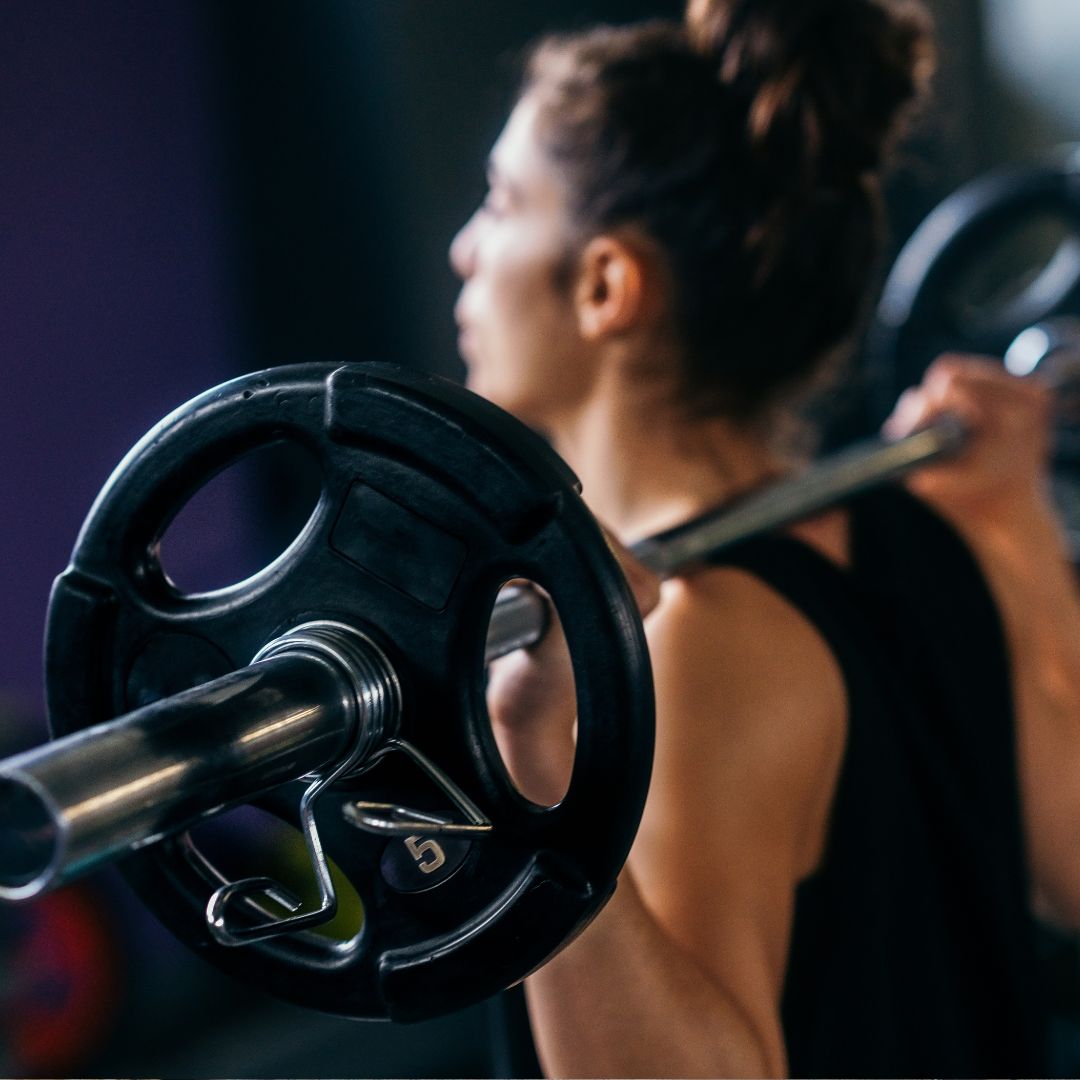
Move for Stronger Bones
When people think about protecting their bones as they age, nutrition is often the first thing that comes to mind. Calcium, vitamin D and other nutrients certainly play an important role in maintaining bone health. However, diet is only part of the picture.
Physical activity is another key factor that supports strong bones throughout life. In fact, bones respond to movement in much the same way that muscles do. When we use them regularly, they adapt and become stronger. When they are used less, they can gradually weaken.
This is why regular movement, particularly weight-bearing exercise and strength training, is considered an important part of osteoporosis prevention and healthy ageing. The encouraging news is that supporting bone health does not necessarily require intense workouts. Consistent, varied movement can help maintain bone strength and reduce the risk of fractures later in life.
How Bones Respond to Physical Activity
Bones are living tissue that continually remodels itself. Throughout life, bone tissue is constantly being broken down and rebuilt in a process known as bone remodelling.
Mechanical stress plays an important role in this process. When bones experience the gentle stress created by movement and muscle contraction, specialised bone cells are stimulated to strengthen the bone structure.
This process is sometimes referred to as mechanical loading. Activities that place controlled stress on the skeleton encourage the body to maintain bone density. In contrast, long periods of inactivity can lead to reduced bone stimulation. Research shows that sedentary lifestyles may contribute to gradual bone loss over time.
Regular physical activity also helps maintain muscle strength, coordination and balance. These factors are particularly important for reducing the risk of falls, which are a major cause of fractures in older adults.
For these reasons, many public health guidelines recommend combining good nutrition with regular exercise to support bone health throughout life.
The Best Types of Exercise for Bone Strength
Not all forms of exercise affect bones in the same way. Activities that place gentle stress on the skeleton are particularly helpful for maintaining bone density.
Two types of exercise are especially beneficial: weight-bearing exercise and strength training.
Weight-Bearing and Strength Training
Weight-bearing exercises are activities where the body works against gravity while standing. These movements encourage the bones in the legs, hips and spine to adapt and strengthen.
Examples include:
Even simple activities such as brisk walking can provide beneficial stimulation for bone tissue.
Strength or resistance training is another important form of exercise. When muscles contract during resistance exercises, they pull on the bones they are attached to. This mechanical force stimulates bone cells and encourages bone maintenance.
Examples of strength training include:
Strength training also helps maintain muscle mass, which becomes increasingly important with age. Stronger muscles support joint stability and may reduce the risk of falls.
For many people, combining weight-bearing movement with resistance exercises provides a well-rounded approach to supporting bone health.
Building Bone-Supportive Movement Into Daily Life
The idea of exercise can sometimes feel overwhelming, particularly if someone has been inactive for a while. However, supporting bone health does not necessarily require long gym sessions or high-intensity workouts.
Small, consistent habits can make a meaningful difference over time.
For example, walking regularly, taking the stairs where possible, gardening or joining a local exercise class can all contribute to maintaining bone strength.
Balance and coordination exercises can also be beneficial, particularly as we get older. Activities such as yoga or tai chi may help improve stability and reduce the risk of falls.
The key is consistency. Building movement into everyday life is often more sustainable than relying on occasional bursts of activity.
It is also important to choose activities that are enjoyable. When exercise feels rewarding rather than like a chore, it is far easier to maintain in the long term.
Nutrition and Movement Work Together
Exercise and nutrition work together to support bone health. Physical activity stimulates bone remodelling, while nutrients provide the building blocks needed for bone structure.
Ensuring adequate intake of calcium, vitamin D, protein and other key nutrients can help support the body’s natural bone maintenance processes.
If you would like to learn more about the role of diet in supporting bone strength, you can read my blog on osteoporosis prevention nutrition.
You may also enjoy my calcium-rich kale and new potato frittata recipe, which provides several nutrients that contribute to normal bone maintenance.
Supporting Healthy Ageing
Strong bones support independence, mobility and overall quality of life as we age. While genetics and hormones play a role in bone health, lifestyle factors such as diet and physical activity remain important.
Regular movement, combined with balanced nutrition, provides a practical and accessible way to support bone health across the lifespan. Whether it is walking more, building strength or simply staying active in everyday life, these habits can contribute to maintaining bone strength for the years ahead.
If you’re interested in knowing more, or if you’ve had a diagnosis of osteoporosis or osteopenia, why not get in touch? You can book a free call here.

There is something magical about September. Even if you have not stepped inside a school in decades, it still feels like a new chapter. Fresh notebooks. Tidy intentions. That slightly back-to-school smell in the air. Half optimism. Half stationery. And, while most people wait until January to “get back on track,” the real power lies in this quiet shift into autumn.
September is secretly the best time of year to reset your health habits. Especially if summer was more mojitos, ice creams and chaos than structure and sleep. No judgement. That is what summer can bring for many of us. So, let’s look at why this month works so well for change and how to make the most of it without swinging between extremes.
1. Less pressure. More clarity.
January comes with a lot of baggage. It is dark, cold, everyone is tired and skint, and the whole internet seems to be on a diet. There feels like there’s a lot of pressure to be perfect or turn over a new leaf.
September, though, is softer. The weather is still kind. The energy is fresh but not frantic. You are not being bombarded with guilt trips and detox plans. You just feel ready to shift into something more nourishing without the same level of expectation - even from yourself!
2. Your brain loves a fresh start
There is actual science behind this. It is called the “fresh start effect”. Our brains respond really well to markers in time. The fresh start effect is a psychological phenomenon that explains why people are more likely to take action toward goals after a meaningful time marker like a new week, month, birthday, or season. Basically, any moment that creates a feeling of a “clean slate” can boost motivation and behaviour change.
The term was first coined by behavioural scientist and professor at the Wharton School (University of Pennsylvania) Katherine Milkman, it describes how people feel a psychological separation from their past selves, so they feel more optimistic, capable, and ready to take action. That’s why you get the urge to join the gym in January, clear out your cupboards on a Monday, or start eating better in September.
The fresh start effect works because it:
Even small symbolic dates can make a big difference in behaviour. It is less about when you start and more about how you feel about starting.
3. It is the calm before the chaos
Right now, life still feels just about manageable. The days are getting shorter but not yet bleak. The calendar has space. There’s still fresh produce in the shops. And there are no mince pies staring you down in the supermarket. Yet.
Come late October, things tend to spiral. Diaries fill up with half-term logistics, social plans, and the slow creep of Christmas prep heralded by the arrival of festive treats on supermarket shelves. Cold season kicks off. You start spending weekends indoors, and suddenly your usual healthy routines start to slide.
September gives you a window of opportunity. A moment to pause. To check in with how you feel. To decide what you want from the rest of the year rather than being swept along by it. So why not seize the opportunity?
It’s like standing at the top of a hill just before the rollercoaster starts to pick up speed. You’ve got time to adjust your seatbelt and breathe before it really takes off.
This is the time to:
September isn’t about smashing goals or being perfect. It’s about grounding yourself before everything ramps up again. And if you lay the foundation now, you’ll be far less likely to fall into the all-or-nothing trap later.
1. Pick one goal that actually matters to you
Not a “should” goal. A goal that feels exciting or empowering. What would genuinely make the biggest difference to how you feel every day? More energy. Better sleep. Less sugar chaos. Fewer cravings. Start there.
2. Get clear on your why
Wanting to lose weight or improve your food habits is absolutely valid. But what is underneath that? Do you want to feel more confident in your clothes? Do you want to feel calm around food again? Do you want to have energy in the evenings instead of collapsing at 6pm? Write it down. That reason will help you keep going when motivation slips.
3. Create a quick win
You do not need a master plan. You just need a small success. Something that makes you feel proud this week.
Try one of these:
These actions seem small, but they build momentum fast.
4. Ask for support
Change is easier with encouragement. Whether it is a friend, a group, or a coach, knowing someone is in your corner makes a big difference. Tell someone what you are working on. Ask them to check in. Or come and work with someone like me – I can tailor a programme specifically for you and how you live your life.
If you are ready for a gentle reset but not sure where to begin, why not book in a free call with me here? We can talk through what’s going on for you, what you’ve tried so far, and what you’re looking to achieve. I can get you moving forward with some simple tips, and we can look at the options for us working together. Now’s the perfect time.

Please get in touch and find out more - I offer a free 30-minute exploratory call.


.png)





Copyright 2026 all rights reserved
Privacy Policy | Cookie Policy
Website by Phuse Media - Web Design Leigh on Sea
Photography by Petra Blacklock Photography

Please feel free to be in touch with our sister clinic which specialises in PCOS
Alex Allan Nutrition is part of the Green Leaf Company (London) Ltd, a limited company registered in England and Wales. Registered number: 10990293
Disclaimer: ‘Please note that nutritional therapy is not medical advice - this should always be sought from your doctor or other medical provider. I aim to work alongside your doctor or GP to provide nutritional and lifestyle advice to support any underlying imbalances.'
