
There is something magical about September. Even if you have not stepped inside a school in decades, it still feels like a new chapter. Fresh notebooks. Tidy intentions. That slightly back-to-school smell in the air. Half optimism. Half stationery. And, while most people wait until January to “get back on track,” the real power lies in this quiet shift into autumn.
September is secretly the best time of year to reset your health habits. Especially if summer was more mojitos, ice creams and chaos than structure and sleep. No judgement. That is what summer can bring for many of us. So, let’s look at why this month works so well for change and how to make the most of it without swinging between extremes.
1. Less pressure. More clarity.
January comes with a lot of baggage. It is dark, cold, everyone is tired and skint, and the whole internet seems to be on a diet. There feels like there’s a lot of pressure to be perfect or turn over a new leaf.
September, though, is softer. The weather is still kind. The energy is fresh but not frantic. You are not being bombarded with guilt trips and detox plans. You just feel ready to shift into something more nourishing without the same level of expectation - even from yourself!
2. Your brain loves a fresh start
There is actual science behind this. It is called the “fresh start effect”. Our brains respond really well to markers in time. The fresh start effect is a psychological phenomenon that explains why people are more likely to take action toward goals after a meaningful time marker like a new week, month, birthday, or season. Basically, any moment that creates a feeling of a “clean slate” can boost motivation and behaviour change.
The term was first coined by behavioural scientist and professor at the Wharton School (University of Pennsylvania) Katherine Milkman, it describes how people feel a psychological separation from their past selves, so they feel more optimistic, capable, and ready to take action. That’s why you get the urge to join the gym in January, clear out your cupboards on a Monday, or start eating better in September.
The fresh start effect works because it:
Even small symbolic dates can make a big difference in behaviour. It is less about when you start and more about how you feel about starting.
3. It is the calm before the chaos
Right now, life still feels just about manageable. The days are getting shorter but not yet bleak. The calendar has space. There’s still fresh produce in the shops. And there are no mince pies staring you down in the supermarket. Yet.
Come late October, things tend to spiral. Diaries fill up with half-term logistics, social plans, and the slow creep of Christmas prep heralded by the arrival of festive treats on supermarket shelves. Cold season kicks off. You start spending weekends indoors, and suddenly your usual healthy routines start to slide.
September gives you a window of opportunity. A moment to pause. To check in with how you feel. To decide what you want from the rest of the year rather than being swept along by it. So why not seize the opportunity?
It’s like standing at the top of a hill just before the rollercoaster starts to pick up speed. You’ve got time to adjust your seatbelt and breathe before it really takes off.
This is the time to:
September isn’t about smashing goals or being perfect. It’s about grounding yourself before everything ramps up again. And if you lay the foundation now, you’ll be far less likely to fall into the all-or-nothing trap later.
1. Pick one goal that actually matters to you
Not a “should” goal. A goal that feels exciting or empowering. What would genuinely make the biggest difference to how you feel every day? More energy. Better sleep. Less sugar chaos. Fewer cravings. Start there.
2. Get clear on your why
Wanting to lose weight or improve your food habits is absolutely valid. But what is underneath that? Do you want to feel more confident in your clothes? Do you want to feel calm around food again? Do you want to have energy in the evenings instead of collapsing at 6pm? Write it down. That reason will help you keep going when motivation slips.
3. Create a quick win
You do not need a master plan. You just need a small success. Something that makes you feel proud this week.
Try one of these:
These actions seem small, but they build momentum fast.
4. Ask for support
Change is easier with encouragement. Whether it is a friend, a group, or a coach, knowing someone is in your corner makes a big difference. Tell someone what you are working on. Ask them to check in. Or come and work with someone like me – I can tailor a programme specifically for you and how you live your life.
If you are ready for a gentle reset but not sure where to begin, why not book in a free call with me here? We can talk through what’s going on for you, what you’ve tried so far, and what you’re looking to achieve. I can get you moving forward with some simple tips, and we can look at the options for us working together. Now’s the perfect time.

Do you drink too much or not enough? Two common myths about hydration you can now stop believing
How much water should you drink in a day? You could ask anyone in the street, and most people would know that the recommended fluid intake is 1.5 to 2 litres or 6-8 glasses. Indeed, that is what the Eatwell Guide recommends. The NHS, although quoting the Eatwell Guide as well, suggests that we drink “plenty of water”. But how much is “plenty”? Is there, perhaps, an upper limit?
In 2007, a 59-year-old woman nearly died after drinking too much water. Admittedly, very few people manage to drink that much, even if they try. Incidents like this are rare, but it happens occasionally and shows that even water can be detrimental if overconsumed. In this instance, the woman reported having drunk more than half a pint of water every 30 minutes in an attempt to relieve a urinary tract infection.
In reality, many people struggle to drink the recommended 6-8 glasses per day. But who says you have to? In 2002, researcher Heinz Valtin went in search of the source of this often-quoted recommendation. He was unable to find it. There is no scientific evidence for the advice to drink 6-8 glasses per day as far as he could see.
The absence of evidence is not surprising, considering that the water requirement changes from person to person and from day to day. How much you need to drink depends on your gender, age, weight, activity level, climate, altitude and medication … to name but a few. Some people need just 5 glasses of fluids a day; others need considerably more. Despite the difficulty of working out how much any one of us needs to drink, we seem to manage quite well. One paper on the subject concludes that healthy people regulate their daily water balance “with precision”. No mean feat. After all, the parameters for hydration change all the time. Our location, the weather or our activity levels – or all three - may be different today than yesterday, and so is our water need.
It appears, therefore, that there is no need to lose sleep over adequate fluid intake. Apply common sense. If you are thirsty, drink. If you sweat a lot, drink more than you normally would.
That said, thirst can be deceptive, especially in older people. Several parameters, such as blood pressure, blood volume, electrolyte levels and certain hormones, signal the brain and the kidneys when water levels are low. The kidneys will then hold back and excrete less water, while the brain triggers the thirst sensation. This works quite well until later in life. Older adults do not sense thirst as easily as younger people do.
Another indicator for dehydration is the colour of your urine. If it is dark like apple juice, it is time to drink. If your urine is light straw-coloured, your hydration level is about right. If your urine runs clear like water, there is no need to drink more right now.
The advice to drink 6-8 glasses a day is usually closely followed by the reminder that you must not try and hydrate by drinking alcohol or caffeinated drinks. These beverages are said to be diuretic and make you pee more, thus accelerating dehydration. However, a study looking into this found no difference in hydration levels of young men, regardless of whether they consumed caffeinated or non-caffeinated drinks. There are, of course, many reasons to skip on soft drinks - sugar, artificial sweeteners and phosphates come to mind – but dehydration might not be one of them.
Alcohol is a different matter. In small doses, such as half a pint, even beer can be hydrating, provided that the person drinking it is dehydrated to begin with, but more alcohol in slightly better hydrated people does lead to greater urine output.
In summary, no one can tell you how much you need to drink in a day. Perhaps your doctor could, if they took blood and urine samples, but since that is not practical on a daily basis, you’re on your own. Go by how thirsty you are and the colour of your urine.
Of course, you can drink beverages other than water to hydrate: herbal teas, fruit infusions, vegetable juices, kombucha, and tea and coffee all count. Even fruit juices and soft drinks are hydrating but are best avoided for other reasons, just like tea and coffee should be sugar-free. Don't forget that food can be hydrating, too. Fresh fruit and vegetables, such as watermelon and cucumber, contain water, and sometimes quite a lot of it. Soups are another excellent source of fluids. For healthy people it isn’t too difficult to stay hydrated.

Green Shakshuka
This is a great weekend brunch recipe! Leafy green vegetables are highly effective at balancing hormone levels and contain loads of iron to keep you feeling your best.
When given the proper nutrients, our bodies have the incredible ability to flourish. Be mindful of how you are caring for yours—with fats, proteins, antioxidants, and herbs— your body is able to restore healthy hormone levels more easily.
Serves 2
Ingredients
1 tbsp avocado oil
2 cloves garlic, finely chopped
20g mushrooms, sliced
½ tsp smoked paprika
½ tsp dried oregano
½ tsp cumin
1 bunch kale
4 eggs (4 tbsp chickpeas for vegan version)
Sea salt & pepper
2 tbsp fresh coriander, chopped
Micro-greens (optional)
Parsley (optional)
Avocado (slices, for serving)
Method:
Eat for Your Cycle
A woman’s nutritional needs shift throughout her cycle – and syncing your food to your hormones can be a great way to support mood, energy, and overall wellbeing. Even if you’re irregular or not currently menstruating, you can still follow this rhythm by tracking the lunar cycle as a guide.
Here’s a simplified overview of how to eat to support each phase:
Follicular phase (around 7–10 days after your period ends)
Hormone levels are at their lowest, which makes this a great time to focus on fresh, nutrient-rich foods to build energy and support hormone production.
Go for:
Ovulation (3–4 days mid-cycle)
This is when oestrogen peaks and energy levels are often at their highest. Your body thrives on lighter, vibrant foods rich in antioxidants.
Include:
Luteal phase (10–14 days before your period)
This is when PMS symptoms can kick in – bloating, cravings, low mood – you know the drill.
Prioritise:
Menstrual phase (3–7 days)
Time to be kind to yourself. Your body is shedding and renewing, so focus on deeply nourishing foods that replenish and hydrate.
Think:
Easy tips for balancing hormones:
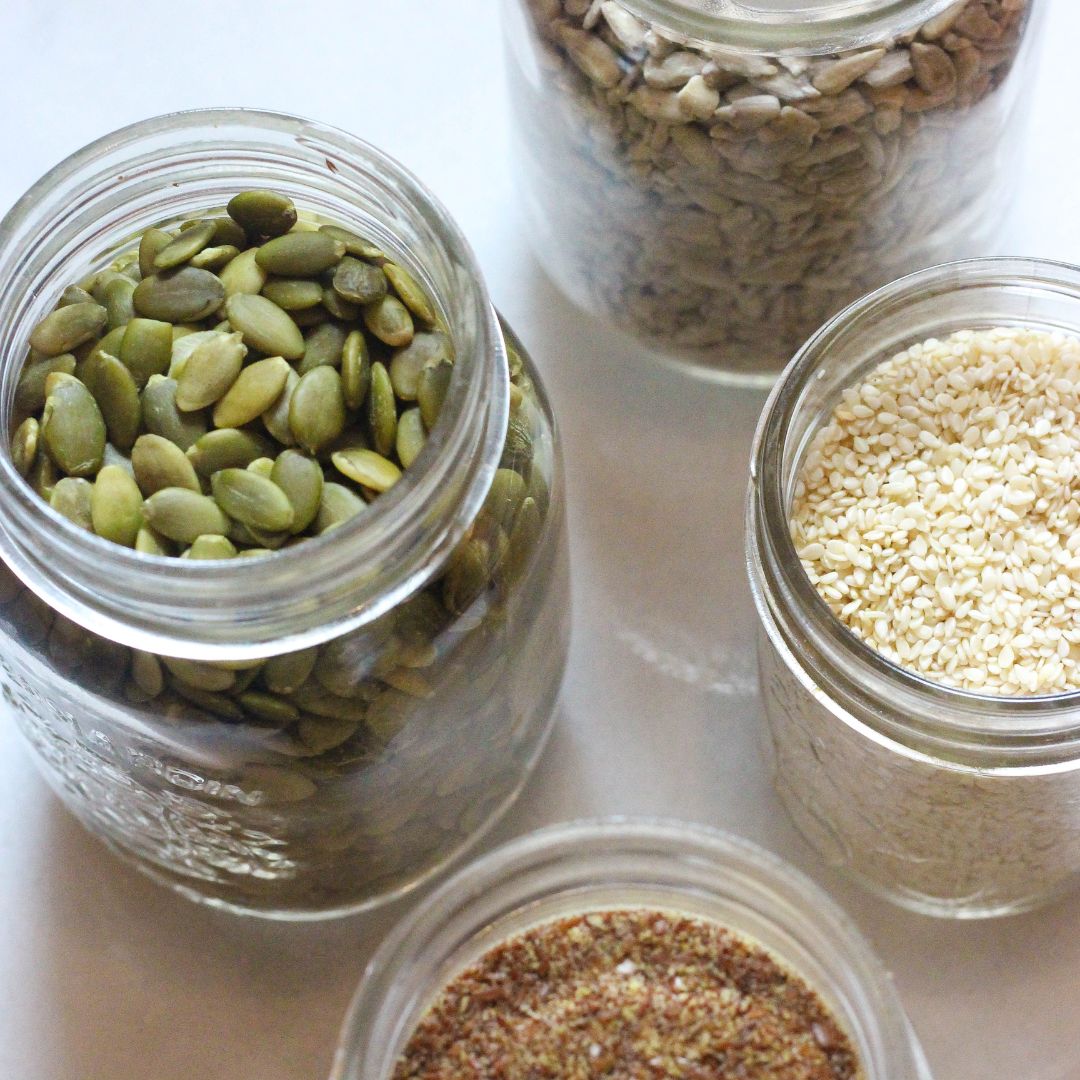
Seed cycling
Incorporate specific seeds into your daily diet based on your menstrual cycle phase. This supports natural hormone balance by providing targeted nutrients. Add 1 tbsp of each seed to 1 daily meal
Day 1-14
If you’re in the first half of your cycle (Day 1-14 where Day 1 is the first day of your period), add (1 tbsp each) flaxseed and pumpkin seeds to your meals.
Day 15-29
If you’re in the second half of your cycle (Day 15-28), add (1 tbsp each) sunflower and sesame seeds. to your meals to improvs hormonal disturbance in women and promote a healthy life.
Prioritise gut health
A healthy gut microbiome plays a vital role in hormone metabolism and detoxification. Probiotic-rich foods like yogurt, kefir, kimchi, and kombucha help maintain gut balance, while prebiotics in fibre-rich vegetables and fruits feed beneficial bacteria.
Enjoy healthy fats
Healthy fats like avocado, olive oil, nuts, seeds, and oily fish provide essential building blocks for hormones and reduce inflammation. Include them regularly in your diet, choosing cold-pressed oils and unroasted nuts for optimal nutrient retention.
Minimise inflammatory foods
Refined carbohydrates, processed foods, sugar, and excessive alcohol can trigger inflammation, disrupting hormone balance. Opt for whole grains, legumes, fruit, vegetables, and lean protein sources instead.
Support your liver
The liver plays a key role in hormone breakdown and elimination. Foods like cruciferous vegetables (broccoli, Brussels sprouts), beetroot, garlic, and dandelion greens support liver detoxification, promoting efficient hormone processing.
And if you’re struggling with any specific hormone conditions or symptoms, why not book in a free call with me? We can talk through, and I can give you some simple tips to take away. Just book here.

How to Beat Summer Stress
Summer gets some fantastic PR. The very word makes you think of lazy days by the pool, relaxed dining on a balmy evening, sunsets and spritzes, carefree drives in a sporty convertible with your hair blowing in the breeze.
Sadly, that’s not the reality for many of us, working away doing all the usual stuff we have to do in the (sometimes) blistering heat. The real truth is that summer burnout is real – and August might be draining you more than you realise. And, if you’re feeling more frazzled than fresh right now, you’re not alone. This time of year is usually anything but restful.
Let’s break this down, and work out what you can do about it…
Whether you’ve been ferrying kids around, juggling holidays with work, playing hostess, managing family dynamics, or just existing in 30-degree heat with zero patience, it’s a lot. Add the emotional rollercoaster of A-level and GCSE results, and you've got the perfect storm of stress, poor sleep, and emotional exhaustion.
This is summer burnout. And yes, it’s a real thing.
Here’s what might be going on behind the scenes:
If you’re waking up tired, snapping at loved ones, craving carbs like mad, or just feeling off, that’s your body waving a little white flag.
Let’s not pretend you’re about to overhaul your diet, book a yoga retreat and start journalling daily. (Lovely idea, but… life.) Instead, let’s look at a few ways to ease the pressure and gently top your tank back up.
You might be thinking of stress as the inevitable result of a big life event like a house move, divorce or bereavement, but even the steady drip of everyday life is enough. Stress can also be caused by your diet, lack of sleep, environmental toxins - and more. Even winning the lottery can cause stress! Then there’s your physical environment - like summer heat…
So here are some of the ways you can start to redress the balance.
You’re probably more dehydrated than you think, especially if the wine’s been flowing. Aim for 2L-3L water a day, plus herbal teas and hydrating foods like cucumbers, melon, berries and leafy greens.
Add a pinch of sea salt or electrolyte drops if you need more support.
Your body loves routine, not to be boring, but because it supports your hormones, energy and mood. Try:
Focus on meals that are rich in:
This combo helps stabilise blood sugar, which means fewer energy dips, mood swings, and snack attacks.
This one really is the gold. The summer calendar can get pretty packed with weddings, parties and other events as people take advantage of the good weather.
You don’t have to say yes to every BBQ, day trip or family drama. Boundaries are health-giving. Permission granted.
There are a multitude of benefits to being outside. For the purposes of dialling down stress and getting better sleep at night, getting outside in the morning is important.
Even a quick walk in the daylight can help reset your circadian rhythm, that’s the daily rhythm your body is programmed to follow: lots of energy in the morning kickstarted by light, then your stress hormones gradually falling away as the day goes on and the sun goes down.
If anxiety or overwhelm is bubbling, magnesium-rich foods can help: think leafy greens, pumpkin seeds, dark chocolate (yes, really), nuts and wholegrains.
Magnesium is a mineral our bodies need a lot of since it is involved in so many roles in the body. Stress and sleep are two of the biggies, so you’ll want to make sure you’re having enough.
You are the expert in being you, so you are best placed to choose where to start. If you’re flagging right now, that’s common but you can do something about it. It’s OK to feel flat after weeks of “summer fun”. It doesn’t mean you’re doing anything wrong, just that your body needs a bit of love.
Now’s a great time to take a breath, check in with what you need, and gently start getting back to what makes you feel good. Not perfect. Just better. And if you’d like some extra support, why not get in touch?
Easy Ideas for Everyday Activity
If you’ve not exercised for a while, or if it’s not really ever been on your agenda, starting movement can be a daunting task. Firstly, if you have any health conditions or physical issues, or you just haven’t moved for a long time, check with your GP or healthcare provider that it’s ok to start a new movement programme.
Once that’s checked off, start slowly. Adding in just one exercise session per week and doing it consistently is much more beneficial than trying to exercise every day and only managing it for a week. Start slowly, build the habit, and then layer on more types of movement.
Additionally, if this is new to you, try out a variety of different activities. You might love the sounds of nature whizzing around on your bike in the countryside, or you may prefer pounding techno in a spin studio. The main thing is to find out what floats your boat.
Here are some simple ideas of how to incorporate movement easily into your day:
Incorporating stretching exercises into your daily routine can help improve flexibility and reduce muscle stiffness caused by prolonged sitting. Check out examples on YouTube or Google a local class.
Taking short breaks to stand up and walk around can help increase blood flow and reduce the negative effects of prolonged sitting on the body. Set an alarm on your phone to remind you to get up and move around, or if you have a smart watch enable the notification.
Incorporating strength training exercises, such as bodyweight exercises or light resistance training, can help counteract the muscle weakness and imbalances that can result from prolonged sitting. Here it might be worth investing in some expertise – online programmes such as with Caroline Girvan or Joe Wicks are available, or see if there are local classes or PTs you can work with.
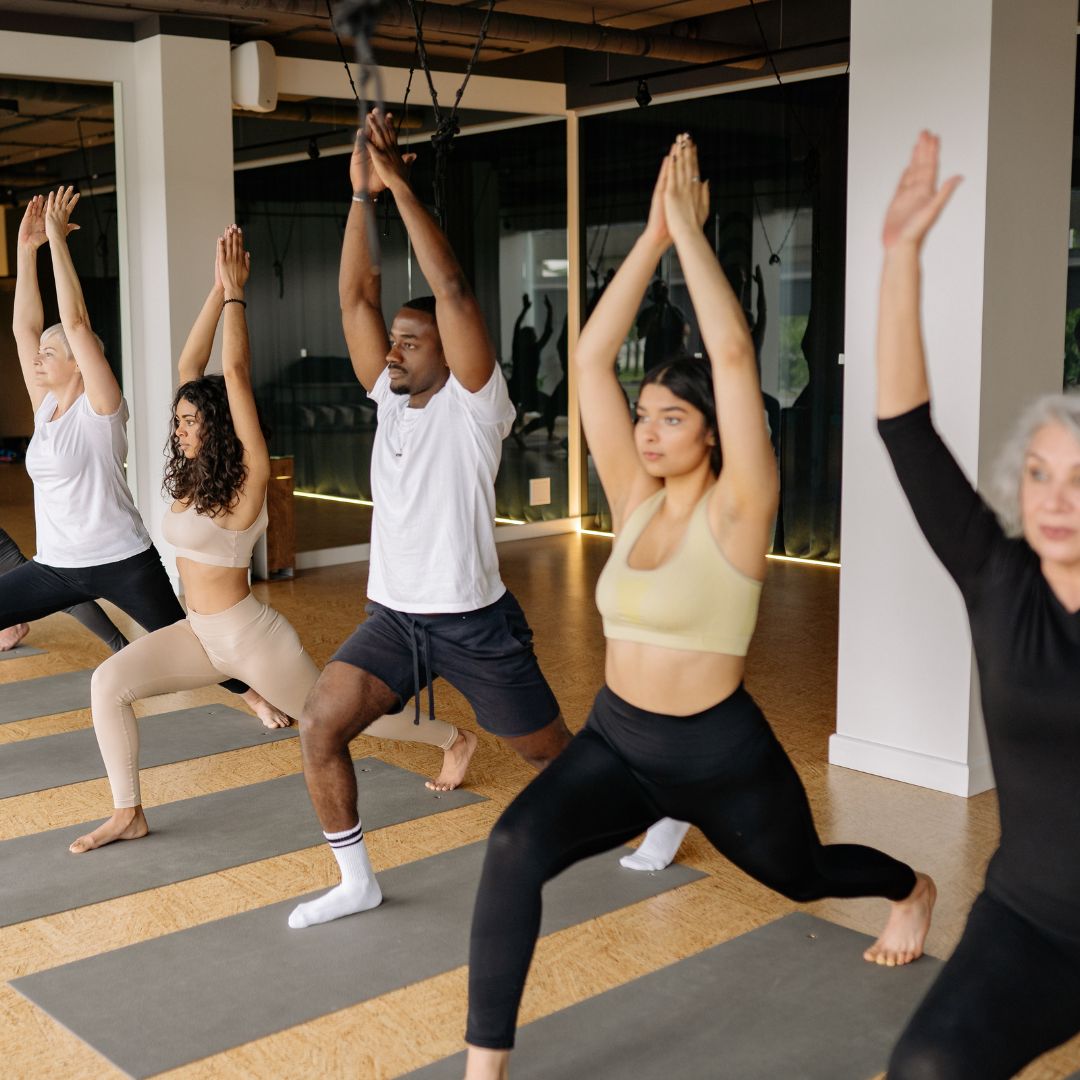
Practicing yoga or Pilates can help improve posture, strengthen core muscles, and increase flexibility, all of which can help counteract the negative effects of sitting for long periods. There are heaps of online programmes, Yoga with Adriene being one of my faves. Or look online for local teachers and classes.
Incorporating cardiovascular exercise, such as walking, running, cycling, or swimming, into your routine can help improve circulation, increase energy levels, and reduce the risk of chronic diseases associated with prolonged sitting. What did you love as a child? Were you always out on your bike, or a familiar figure at the local pool. Tap into that. It’ll feel hard at first, but you’ll get into the swing of it.
This may sound silly, but simple exercises that can be done at your desk, such as seated leg lifts, shoulder rolls, and desk stretches, can help reduce muscle tension and improve circulation while at work. This can be especially helpful if you really can’t get away.
Start small but be consistent. And before you know it, exercise will be part of your life!
Disclaimer: The information provided by the health and wellness coach is not intended to be a substitute for professional medical advice, diagnosis, or treatment. You should always consult your doctor or other healthcare provider before changing your diet or starting an exercise programme.

Please get in touch and find out more - I offer a free 30-minute exploratory call.


.png)






Copyright 2026 all rights reserved
Privacy Policy | Cookie Policy
Website by Phuse Media - Web Design Leigh on Sea
Photography by Petra Blacklock Photography

Please feel free to be in touch with our sister clinic which specialises in PCOS
Alex Allan Nutrition is part of the Green Leaf Company (London) Ltd, a limited company registered in England and Wales. Registered number: 10990293
Disclaimer: ‘Please note that nutritional therapy is not medical advice - this should always be sought from your doctor or other medical provider. I aim to work alongside your doctor or GP to provide nutritional and lifestyle advice to support any underlying imbalances.'
