Exhausted, Foggy and Gaining Weight? Thyroid Health in Midlife
There is a particular kind of exhaustion that many women in midlife describe.
Not just feeling tired after a busy week but waking up exhausted despite sleeping. Struggling to concentrate. Feeling cold all the time. Watching weight creep up despite eating “healthily”. Finding exercise harder to recover from. Losing motivation because nothing seems to work the way it used to.
For many women, these symptoms develop gradually enough that they begin to normalise them.
They blame stress. Ageing. Being busy. Perimenopause.
And while hormonal changes during midlife absolutely matter, thyroid health is often part of the wider picture too.
The thyroid is a small butterfly-shaped gland in the neck, but its effects are far-reaching. Thyroid hormones influence metabolism, energy production, temperature regulation, digestion, mood, menstrual health and cardiovascular function.
When thyroid function becomes suboptimal, women can feel as though their entire system has slowed down.
What makes this especially challenging is that thyroid symptoms are often dismissed, misunderstood or attributed solely to ageing or stress. Many women are told their results are “fine” despite clearly struggling with fatigue, brain fog, poor resilience and unexplained weight changes.
Nutrition cannot diagnose or treat thyroid conditions, and it is important to speak to your GP about ongoing symptoms. However, nutrition and lifestyle may play a valuable supportive role alongside appropriate medical care.
Why Thyroid Symptoms Are Often Missed
One of the reasons thyroid issues can feel so frustrating is that symptoms overlap with many other health concerns.
Symptoms may include:
Many of these symptoms are also common during perimenopause, chronic stress, iron deficiency and burnout. As a result, women often spend years feeling unlike themselves before joining the dots.
I frequently hear women say things like: “I thought I was just getting lazy.”
Or: “I kept being told it was normal for my age.”
Unfortunately, many women end up feeling dismissed or doubting themselves.
Research suggests that women are disproportionately affected by thyroid disorders, particularly during midlife, and autoimmune thyroid conditions such as Hashimoto’s thyroiditis become increasingly common with age.
At the same time, stress, sleep disruption, under-fuelling and chronic dieting may all affect how resilient women feel during this stage of life, even without a formal thyroid diagnosis.
The Link Between Thyroid Health, Energy and Metabolism
Thyroid hormones help regulate how the body produces and uses energy. When thyroid hormone levels are insufficient, metabolism can slow down. This may affect everything from body temperature and digestion to muscle recovery and cognitive function.
Women often describe feeling as though they are “running on low battery” all the time.
One particularly frustrating aspect is the relationship between thyroid function and weight. Many women are told they simply need to eat less and move more. But thyroid hormones influence resting metabolic rate, appetite signalling, muscle mass and energy expenditure. This does not mean weight changes are entirely caused by the thyroid alone, but it does help explain why women can feel as though their body suddenly responds differently during midlife.
At the same time, poor sleep, stress, low protein intake and blood sugar instability can all compound fatigue and make metabolic health feel even more challenging.
Nutrients Important for Thyroid Function
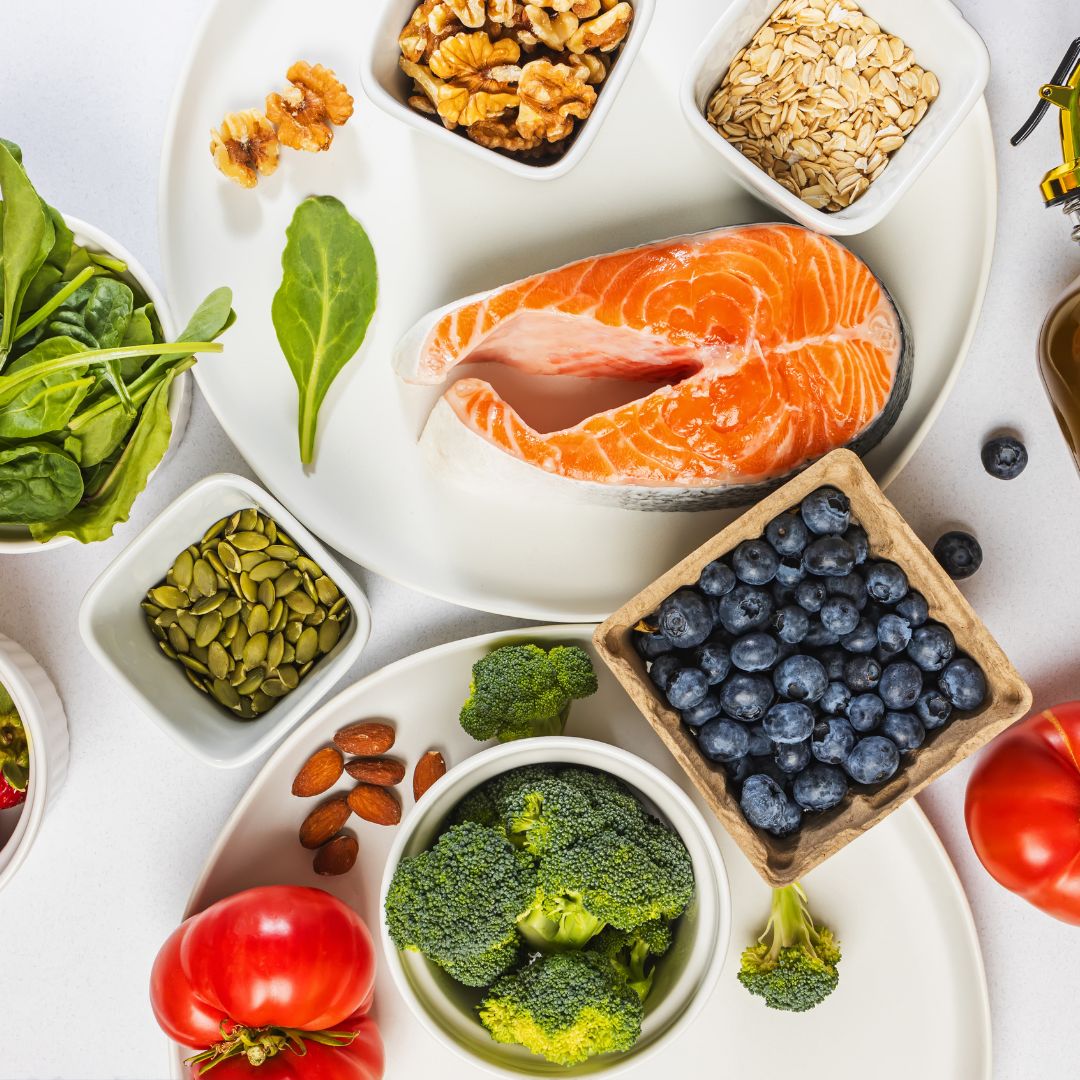
The thyroid relies on a range of nutrients for normal hormone production, conversion and regulation. A restrictive diet, poor digestion or long-term stress may increase the risk of nutrient insufficiencies over time. Some nutrients commonly discussed in relation to thyroid health include:
Selenium
Selenium plays a role in thyroid hormone metabolism and antioxidant protection within the thyroid gland itself.
Foods rich in selenium include:
Iodine
Iodine is required for thyroid hormone production, although both deficiency and excess intake may be problematic, so be very careful about overdoing it. Useful food sources include:
It is important not to self-prescribe high-dose iodine supplements without professional guidance, particularly where autoimmune thyroid conditions may be present.
Iron
Low iron status may affect thyroid hormone production and energy levels. This is particularly relevant for women with heavy periods, digestive issues or restrictive eating patterns.
Zinc and Tyrosine
Zinc and the amino acid tyrosine are also involved in thyroid hormone synthesis and broader metabolic processes. Useful food sources include:
Everyday Nutrition Strategies for Midlife Thyroid Support
There is no single thyroid “superfood” or miracle diet.
However, many women benefit from returning to simple foundational habits that support energy, blood sugar balance and overall resilience.
Prioritise Protein
Protein supports muscle maintenance, satiety and blood sugar regulation. Many women in midlife are unintentionally under-eating protein, particularly earlier in the day. Including protein regularly may help support steadier energy and reduce cravings.
Eat Regularly
Skipping meals can worsen energy crashes, particularly in women already struggling with fatigue or stress. Balanced meals containing protein, fibre and healthy fats may help support more stable energy throughout the day.
Avoid the “All or Nothing” Trap
One of the biggest challenges I see in clinic is women swinging between restriction and exhaustion. They attempt highly restrictive diets, feel worse, lose motivation and then blame themselves. Midlife health often responds better to consistency than intensity.
Focus on Recovery, Not Punishment
Sleep, stress management, strength training and realistic movement all matter enormously.Many women do not need to push harder. They need more support.
If you feel exhausted, foggy, unlike yourself or frustrated by unexplained weight changes, it is important to know that these experiences are common and valid. And you should definitely get these things checked with your GP
Thyroid health, perimenopause, stress, sleep and nutrition are deeply interconnected during midlife. While nutrition cannot replace appropriate medical investigation or treatment, supportive nutrition and lifestyle strategies may help women feel more resilient, energised and supported during this stage of life.
Most importantly, struggling does not mean you are lazy, failing or lacking willpower. Your body may simply be asking for a different kind of support than it needed ten years ago.
If you would like personalised support with fatigue, thyroid health, perimenopause or midlife nutrition, why not book in for a free call with me to discuss options?

Please get in touch and find out more - I offer a free 30-minute exploratory call.


.png)











Copyright 2026 all rights reserved
Privacy Policy | Cookie Policy
Website by Phuse Media - Web Design Leigh on Sea
Photography by Petra Blacklock Photography

Please feel free to be in touch with our sister clinic which specialises in PCOS
Alex Allan Nutrition is part of the Green Leaf Company (London) Ltd, a limited company registered in England and Wales. Registered number: 10990293
Disclaimer: ‘Please note that nutritional therapy is not medical advice - this should always be sought from your doctor or other medical provider. I aim to work alongside your doctor or GP to provide nutritional and lifestyle advice to support any underlying imbalances.'
