
Kale and New Potato Frittata
When people think about supporting bone health, nutrients such as calcium and vitamin D are often the focus. However, bones rely on a combination of nutrients working together, including protein, magnesium and vitamin K.
Meals that combine these nutrients can help support overall bone health as part of a balanced diet. This kale and new potato frittata is a perfect example. It provides protein from eggs, calcium from cheese and milk, and beneficial plant nutrients from leafy greens.
Frittatas are also super practical for busy days - they can be prepared in advance, enjoyed warm or cold, and work well for lunch, dinner or even breakfast.
How This Recipe Supports Bone Health
Several nutrients in this recipe contribute to the maintenance of normal bones.
Kale is a nutrient-dense leafy green that contains vitamin K. This nutrient plays a role in bone metabolism and supports the proteins involved in maintaining bone structure. Kale also provides small amounts of calcium and magnesium.
Eggs contribute high-quality protein, which forms part of the structural matrix of bone tissue. Adequate protein intake also supports muscle health, which is important for balance and stability as we age.
Cheese and milk provide calcium, a mineral that contributes to the maintenance of normal bones. Including calcium-rich foods regularly can help support overall intake as part of a varied diet.
New potatoes provide fibre and potassium while helping to make the meal satisfying and balanced.
Serves 2
Ingredients
6 large eggs
200 g new potatoes, sliced
100 g kale, stalks removed and roughly chopped
40 g mature cheddar cheese, grated
1 tsp Dijon mustard
50 ml milk (or calcium-fortified plant milk)
1 small onion, finely sliced
1 tablespoon olive oil
Salt and black pepper to taste
Method
Serving Ideas
This kale and new potato frittata can be enjoyed warm or cold, making it a flexible option for different meals.
Serve it with a mixed salad and olive oil dressing for a light lunch, or alongside roasted vegetables for a more substantial evening meal.
It also stores well in the fridge for up to two days, so leftovers can be used for packed lunches or quick meals during the week.
If you would like to increase the calcium content further, consider serving it with extra leafy greens such as steamed broccoli or spinach.
If you would like to learn more about how nutrition supports strong bones, you can read our guide to bone health and osteoporosis prevention.
You can also explore more ideas in the recipe index for practical ways to include nutrient-rich meals in your weekly routine.
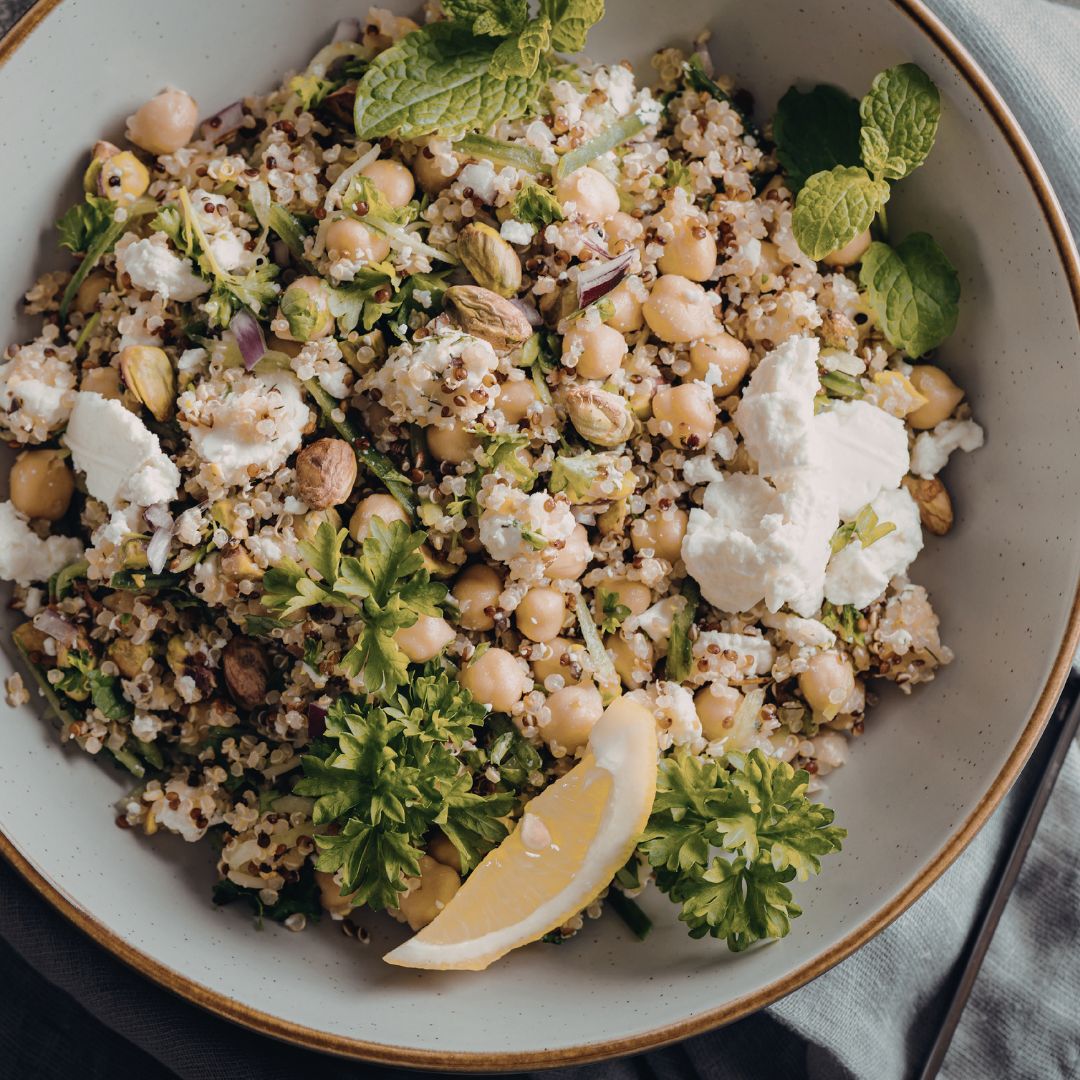
Spring Gut Glow Salad
A fresh, fibre-rich quinoa and chickpea salad with spring vegetables, feta and seeds, designed to gently support digestion and microbiome diversity.
If you’re trying to support your gut health, you’ll often hear advice to “eat more fibre” or “add prebiotics”. But that can feel confusing (and honestly a bit intimidating) if you’re someone who experiences bloating or IBS-type symptoms.
The good news is that gut-friendly eating doesn’t have to involve extreme restriction, expensive supplements, or forcing down foods that don’t agree with you. Often, the most helpful approach is simply to include a variety of plant fibres, introduce them gradually, and build meals that are balanced and satisfying.
This recipe is designed to do exactly that.
It combines several ingredients known to support microbiome diversity and digestive function:
The result is a fresh spring salad that’s colourful, nourishing, and easy to prep ahead - ideal if you’re looking for simple, realistic ways to care for your gut without overcomplicating things.
Serves 3
Ingredients
Dressing
Method
If you’re prone to bloating, IBS-type symptoms, or feel nervous about fibre-rich foods:
Storage & meal prep
If you're interested in further recipes, why not check out the recipe folder?
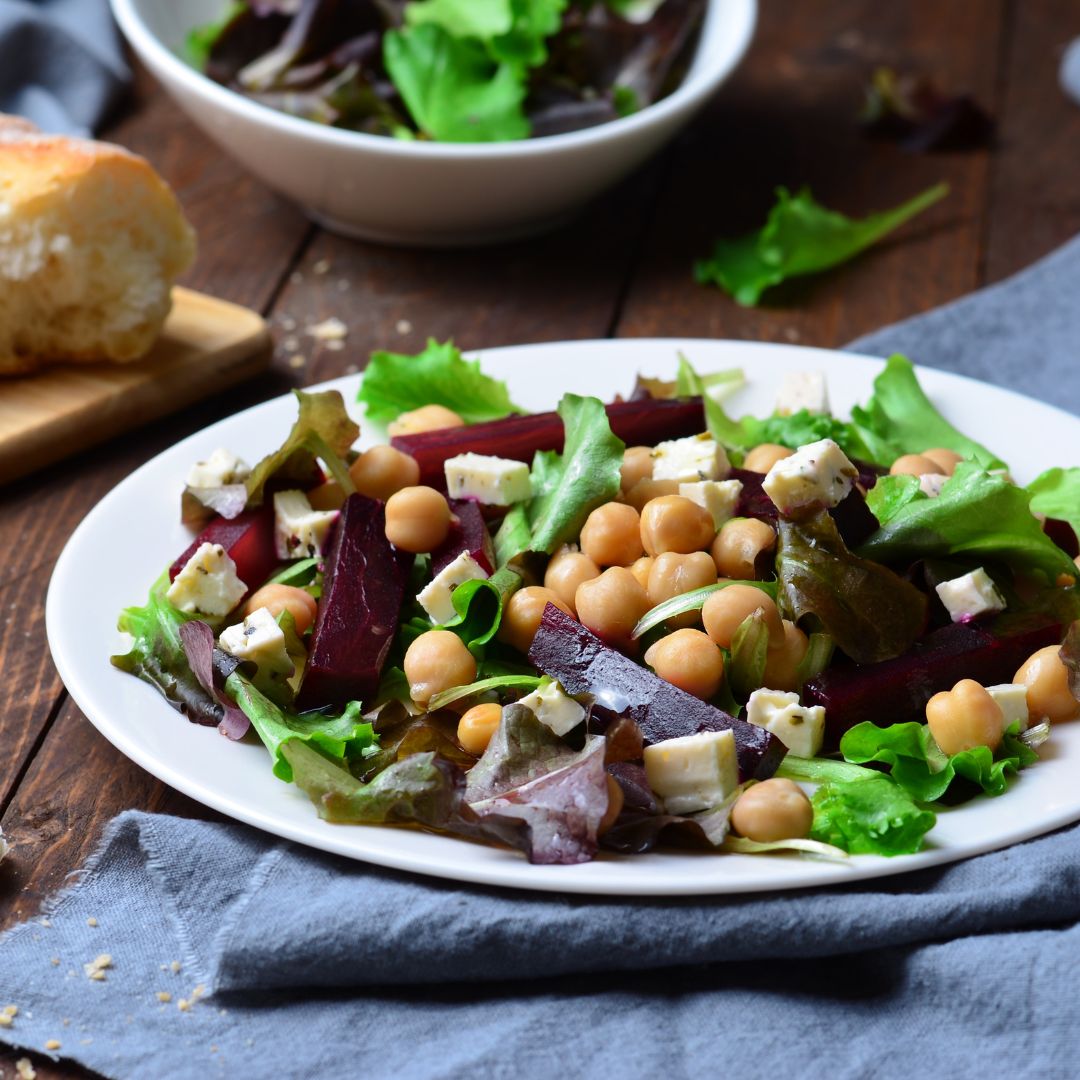
Omega-3-Rich Mackerel and Beetroot Salad
When it comes to heart health, nutrition does not need to be complicated to be effective. Simple meals built around the right balance of fats, fibre and plant compounds can support cardiovascular health while still feeling enjoyable and realistic.
This omega-3-rich mackerel and beetroot salad is a good example of how everyday ingredients can come together to support heart health and inflammation balance, without relying on ultra-processed foods or lengthy preparation.
Why omega-3 fats support heart health
Omega-3 fatty acids, particularly EPA and DHA found in oily fish, have been widely studied in relation to cardiovascular health. Evidence from recent systematic reviews and large-scale trials suggests that omega-3 intake supports heart health through several complementary mechanisms.
Omega-3 fats help regulate inflammatory signalling pathways and are involved in the production of compounds that support resolution of inflammation. They also play a role in supporting normal triglyceride levels and vascular function.
Mackerel is one of the richest and most affordable sources of omega-3 fats available in the UK. Including oily fish regularly, in line with UK dietary guidance, is consistently associated with improved cardiovascular outcomes within overall dietary patterns such as the Mediterranean diet.
Beetroot complements this by providing dietary nitrate, fibre and polyphenols. Dietary nitrates are converted in the body to nitric oxide, which supports blood vessel function and healthy blood flow. Beetroot fibre also contributes to gut health, which is increasingly recognised as part of the inflammation and heart health picture.
Together, these ingredients create a meal that supports multiple aspects of cardiovascular health in a food-first way.
Mackerel and Beetroot Salad
This recipe works well as a light lunch or as part of a larger meal.
Serves 2
Ingredients:
Method:
Simple variations
This salad is easy to adapt depending on preferences and availability.
If you prefer a warmer dish, the beetroot can be gently warmed before assembling the salad. For extra fibre and texture, you can add cooked lentils or butter beans. If smoked mackerel feels too strong, freshly grilled or poached mackerel works just as well.
For those who do not eat mackerel, sardines or trout provide a similar omega-3 profile and can be used in the same way.
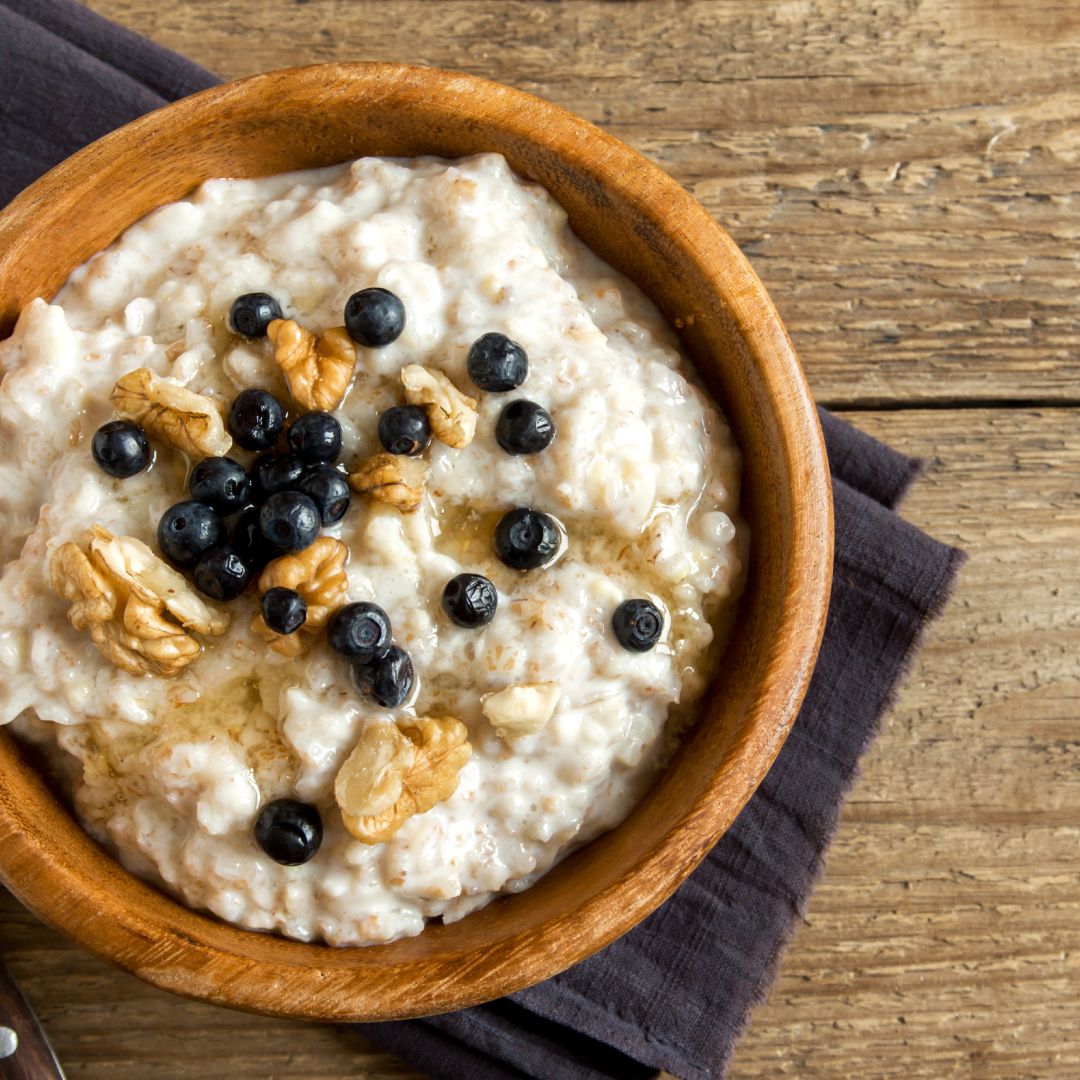
Power Porridge
A warm bowl of porridge can be a great start to the day, especially when it’s cold and icy outside. Oats are a healthy option, but on their own can spike your blood sugar. But with a few simple tweaks, this breakfast can become a protein-rich, fibre-focused option that helps keep you full all morning. My recipe balances oats with ground flaxseed, chia seeds and a generous portion of protein to reduce the usual glucose spike and support better blood sugar control.
(Internal link cue: November “Steady Energy” blog)
Why Porridge Can Support Blood Sugar
Oats are naturally rich in beta glucan, a type of soluble fibre that slows digestion and supports a more gradual rise in blood glucose. When combined with protein, healthy fats, and additional fibre from seeds, porridge can become a balanced breakfast that supports appetite regulation and steadier energy release.
This version uses a smaller serving of oats and blends them with flaxseed and chia to increase fibre diversity while keeping the overall carbohydrate load moderate. The added protein helps promote satiety and supports blood sugar balance throughout the morning.
Ingredients and Method
Serves 1. Provides approximately 27–30 g protein.
Ingredients
Dry ingredients
• 25 g porridge oats
• 1 tbsp ground flaxseed
• 1 tbsp chia seeds
• 15 g mixed nuts, roughly chopped (almonds, walnuts or hazelnuts)
Protein
Choose one of the following to reach 25–30 g protein:
• 150 g plain Greek yoghurt (2 percent or higher)
or
• 1 scoop vanilla or unflavoured protein powder (whey, pea or mixed plant protein), added to cooked porridge
Liquid
• 150–200 ml water or milk of choice (dairy or unsweetened plant milk)
Optional toppings
• A handful of fresh or frozen berries
• A sprinkle of cinnamon
• Extra nuts or seeds
Method
Optional Flavour Variations
Cinnamon and Apple
Stir through finely grated apple and a pinch of cinnamon while cooking. Keeps sweetness gentle while adding extra fibre.
Ginger and Pear
Add chopped pear and a little ground ginger for a warming winter flavour.
Cocoa and Almond
Whisk 1 tsp cocoa powder into the porridge and top with chopped almonds for a richer, yet still balanced breakfast.
Serving Suggestions and Storage Tips
Make it ahead
Prepare the dry mix in a jar so it is ready to pour into a saucepan in the morning. Chia thickens over time, so add liquid just before cooking.
Storage
Cooked porridge keeps well in the fridge for up to two days. Add an extra splash of liquid when reheating to loosen the texture.
Pair it well
For a balanced winter breakfast, serve with a small portion of berries for antioxidants and colour.

The Ultimate Immune Supporting Winter Broth
When the weather turns cold, there’s nothing more comforting than a nourishing bowl of broth. This simple recipe combines garlic, ginger and seasonal vegetables to create a warming base that supports both gut and immune health.
Rich in phytonutrients, antioxidants and minerals, it’s light enough for sensitive digestion yet deeply restorative.
Whether you’re recovering from a cold, feeling run down, or just want a warming winter meal, this broth delivers both comfort and nutrition.
Why Garlic and Ginger Support Immunity
Garlic and ginger have been used in traditional medicine for centuries, and research now supports many of their benefits for immune resilience and inflammation regulation.
Garlic contains sulphur compounds such as allicin, which have antimicrobial and antiviral effects. Studies have shown that garlic may reduce the frequency and duration of common colds and support immune cell function. It also promotes the growth of beneficial gut bacteria, contributing to the gut–immune connection that underpins much of our immune strength.
Ginger provides bioactive compounds including gingerols and shogaols, which have antioxidant, anti-inflammatory and antimicrobial effects. Ginger may help regulate inflammation, support circulation, and ease nausea or digestive discomfort — all useful in winter when digestion can slow.
Together, garlic and ginger form a powerful pairing: one that not only supports immunity directly but also improves digestion, absorption and detoxification - processes central to immune and energy balance.
Ingredients
Serves 4–6
Method:
This broth can be served clear, blended into a smooth soup, or used as a base for other dishes such as risotto, noodles or light stews.
Optional Add-Ins for Extra Nutrients
To make your broth more substantial or to target specific nutrition goals, try the following additions:
These simple tweaks can transform your broth into a complete, nutrient-dense meal - perfect for busy winter days or when your digestion needs gentle support.
Serving Ideas & Storage Tips
This broth keeps well in the fridge for up to four days and freezes beautifully. Batch-cook on a weekend and store portions in glass jars or freezer-safe containers for easy reheating.
Reheat gently on the hob rather than boiling to preserve nutrients and flavour. You can also use the broth as a base for:
For those with sensitive digestion or recovering from illness, sip this broth slowly and mindfully. Its warmth and flavour can stimulate the vagus nerve, supporting digestion and calming the nervous system.
This simple recipe brings together everything your body needs for winter resilience: warmth, hydration, gentle nourishment and immune-supportive compounds. Or check out some of my other recipes here.
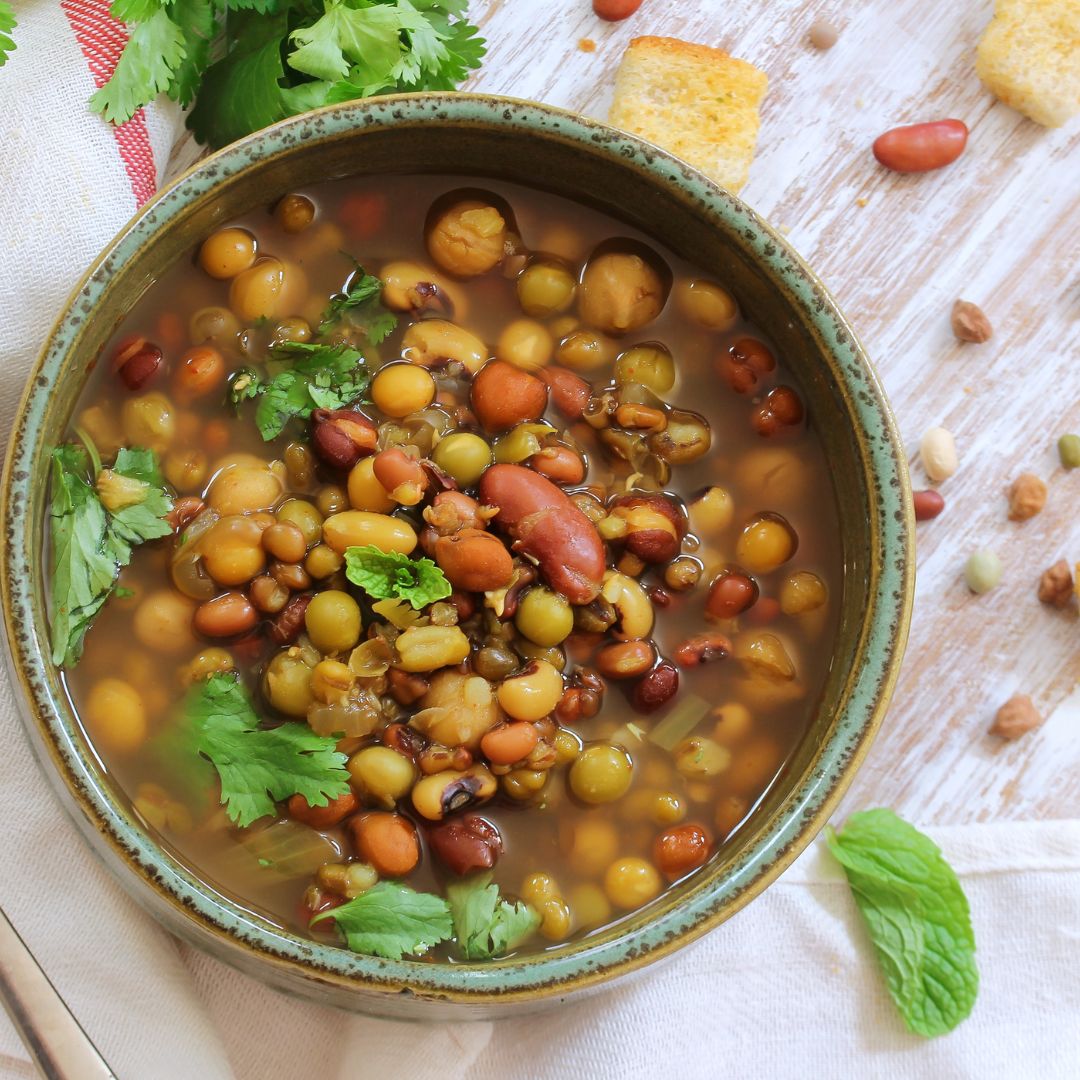
Autumn One Pot Wonder
As the weather turns cooler, there’s something deeply satisfying about a warming one-pot meal. Especially when it’s rich in fibre, packed with seasonal veg, and balanced with enough protein to keep you full for all day.
This recipe delivers around 30 g of protein and over 10 g of fibre per serving. It’s simple to prepare, freezes really well, and works beautifully with autumn ingredients like carrots, swede, kale and leeks.
Why Fibre and Protein Keep You Fuller Longer
Fibre slows the rate at which food leaves the stomach, helping to regulate blood sugar and prevent energy crashes. Protein adds staying power by moderating appetite hormones such as ghrelin.
Serves 2
You can make either the beef or vegetarian version using the same base.
Base Ingredients (for both versions)
Beef Version
Method
Veggie Version
Method
Swaps for Seasonal Flexibility
For more balanced, real-food recipes, visit the Recipe Index.

Please get in touch and find out more - I offer a free 30-minute exploratory call.


.png)












Copyright 2026 all rights reserved
Privacy Policy | Cookie Policy
Website by Phuse Media - Web Design Leigh on Sea
Photography by Petra Blacklock Photography

Please feel free to be in touch with our sister clinic which specialises in PCOS
Alex Allan Nutrition is part of the Green Leaf Company (London) Ltd, a limited company registered in England and Wales. Registered number: 10990293
Disclaimer: ‘Please note that nutritional therapy is not medical advice - this should always be sought from your doctor or other medical provider. I aim to work alongside your doctor or GP to provide nutritional and lifestyle advice to support any underlying imbalances.'
