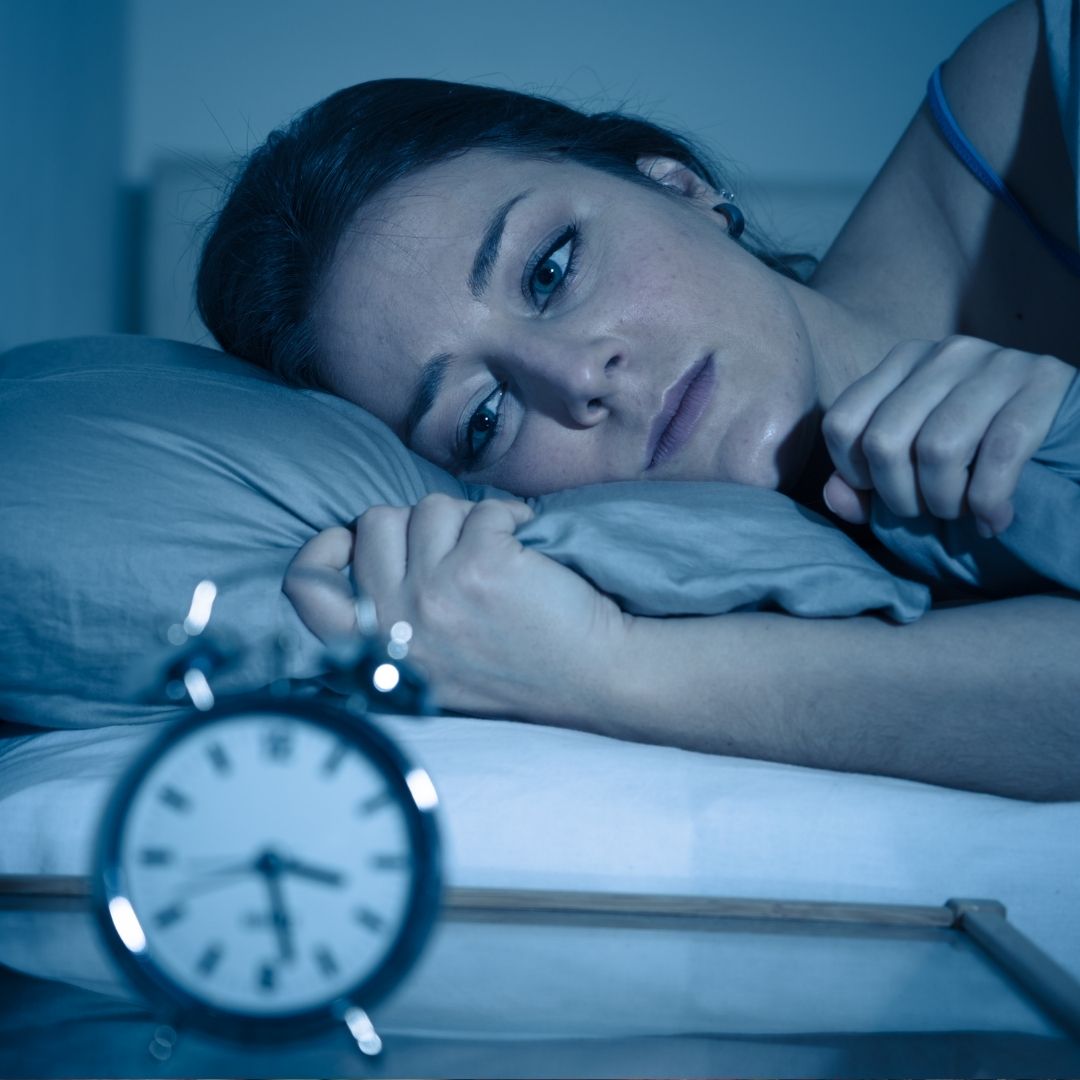
Why Am I Tired All Day but Wide Awake at Night?
There is a particularly frustrating kind of tiredness that many of us will recognise – dragging ourselves through the afternoon, relying on coffee or sugar to keep us going, only to find that by the time you get into bed to all of a sudden feel completely alert. Sound familiar? Your body feels exhausted, but your brain seems to have other ideas.
We often blame poor sleep on things like stress, hormones, blood sugar or “high cortisol”. These things could be relevant, but sleep is much more complicated than that. Two major biological systems help determine when we feel sleepy and when we feel awake, and our daily routines can either work with them or work against them.
Tired Is Not Always the Same as Sleepy
Sleep is partly controlled by something called sleep pressure. The longer we are awake, the stronger that pressure generally becomes. One of the chemicals involved is called adenosine, and this builds up during waking hours and contributes to our drive to sleep.
At the same time, we have an internal circadian timing system, often described as our body clock. This produces roughly 24-hour rhythms in sleep and wakefulness, alertness, hormone secretion, body temperature and many other aspects of physiology.
This means you can be physically tired but still receive a strong biological “stay awake” signal at the wrong time. That is one reason spending an exhausted afternoon on the sofa does not necessarily guarantee that you will fall asleep easily at 10pm.
Your Body Clock Needs Time Signals
Our circadian clock does not operate in isolation. It takes cues from the outside world, and light is the most important of these.
Light reaching the eyes helps the brain work out what time of day it is. Bright daytime light, particularly earlier in the day, supports the normal timing of our sleep-wake rhythm, while bright light late in the evening can shift circadian timing later in susceptible people. Therefore spending much of the day indoors in relatively dim light, followed by a brightly lit evening, is almost the opposite of the light pattern our biology evolved around.
A simple starting point is to get outside during daylight hours, particularly earlier in the day when possible. A walk, breakfast outside or a few minutes having a cup of tea in the garden can all provide a clear daytime signal.
Could Caffeine Be Lasting Longer Than You Think?
Coffee can easily become part of a vicious circle. You sleep badly, so you need more caffeine the following day. That caffeine may then make the next night slightly worse, encouraging another coffee-fuelled day.
Caffeine works partly by blocking adenosine receptors, reducing that feeling of sleep pressure. The effect can last much longer than many people realise.
A 2023 systematic review and meta-analysis of 24 studies found that caffeine reduced total sleep time by around 45 minutes on average. It also reduced sleep efficiency, increased the time taken to fall asleep and reduced deep sleep. Based on the studies included, the researchers estimated that a coffee containing around 107mg caffeine would need to be consumed about 8.8 hours before bedtime to avoid reducing total sleep time.
People metabolise caffeine differently, and the caffeine content of coffee can vary considerably. However, if you regularly struggle to fall asleep, wake often in the night, or don’t feel refreshed in the morning, experimenting with an earlier caffeine cut-off is a sensible place to start.
And remember, caffeine is not only found in coffee. Tea, cola, energy drinks, chocolate and some sports or pre-workout products can all contribute.
Why Alcohol Can Make You Sleepy but Still Disrupt Sleep
A glass of wine may feel relaxing, and alcohol can make people feel drowsy. This sometimes leads to the conclusion that alcohol helps sleep. Sedation, however, is not the same thing as good-quality sleep!
A systematic review and meta-analysis published in 2025 examined 27 studies and found that alcohol altered normal sleep architecture. In particular, it delayed the onset of REM sleep and reduced the amount of REM sleep. These effects were seen even at relatively low alcohol intakes and became more pronounced as intake increased.
This may be particularly relevant in midlife, when sleep can already be affected by hot flushes, night sweats, stress or changes in sleep patterns. If your sleep is noticeably worse after drinking, it is worth observing the pattern rather than automatically assuming the problem is simply “hormonal”.
What About Eating Late?
Meal timing and sleep is an interesting area of research, but it is also one where social-media certainty has raced ahead of the evidence.
There are good practical reasons why a very large meal immediately before bed may not suit everyone. Reflux, indigestion, feeling overly full or simply being uncomfortable can interfere with sleep. However, there is not good evidence that everybody needs to stop eating at a particular clock time.
Ideally, we should be looking to finish eating our meal at least 3 hours before we go to sleep. So if bedtime is at 10.30pm, you want to make sure you’ve finished your evening meal by 7.30pm, if you can.
Sometimes Poor Sleep Isn't a Lifestyle Problem
It is easy to turn sleep into another wellness project and assume that if you just find the right routine, supplement or evening drink, you should be able to fix it yourself.
But persistent sleep problems can have many causes.
Menopause and perimenopause are important examples. A 2024 meta-analysis involving 37 studies and more than 29,000 women estimated that around half of women studied during menopause had poor sleep quality, although prevalence varied considerably between studies.
Pain, anxiety and depression, some medications, restless legs syndrome, thyroid problems and obstructive sleep apnoea can also contribute to poor or disrupted sleep.
Sleep apnoea is particularly important not to miss. NHS symptoms include loud snoring, breathing that stops and starts during sleep, gasping or choking noises, frequent waking and marked daytime tiredness. If that sounds familiar, it is worth speaking to your GP.
Likewise, if you have had insomnia for months, changes to your sleeping habits have not helped, or poor sleep is making daily life difficult, the NHS recommends seeking medical advice.
For long-term insomnia, cognitive behavioural therapy for insomnia, known as CBT-I, is considered a first-line treatment, rather than simply adding more and more sleep-hygiene rules.
What Can You Do Tonight?
If you are tired all day but wide awake at night, resist the temptation to change everything at once. Start by looking for the patterns that may be sending mixed signals to your sleep-wake system.
Try keeping your wake time reasonably consistent, even after a poor night. Get outside during the day, particularly earlier on if you can. Experiment with moving caffeine earlier and notice whether alcohol affects the quality of your sleep.
Make sure you are eating adequately through the day rather than arriving at the evening ravenous, and give yourself some transition time between a busy day and bed.
Most importantly, do not judge your sleep solely by whether you have performed the perfect bedtime routine.
If poor sleep persists, or you are regularly exhausted despite spending enough time in bed, it is worth looking beyond the obvious. Sometimes the most useful next step is not another supplement or sleep hack, but working out what is actually getting in the way.
Need Some Support?
Sleep, energy, stress, eating patterns and health rarely exist in isolation. If several of these areas are starting to overlap, personalised nutrition and lifestyle support can help you look at the bigger picture and identify realistic changes that work for you. Why not book in a free call?

Please get in touch and find out more - I offer a free 30-minute exploratory call.


.png)








Copyright 2026 all rights reserved
Privacy Policy | Cookie Policy
Website by Phuse Media - Web Design Leigh on Sea
Photography by Petra Blacklock Photography

Please feel free to be in touch with our sister clinic which specialises in PCOS
Alex Allan Nutrition is part of the Green Leaf Company (London) Ltd, a limited company registered in England and Wales. Registered number: 10990293
Disclaimer: ‘Please note that nutritional therapy is not medical advice - this should always be sought from your doctor or other medical provider. I aim to work alongside your doctor or GP to provide nutritional and lifestyle advice to support any underlying imbalances.'
