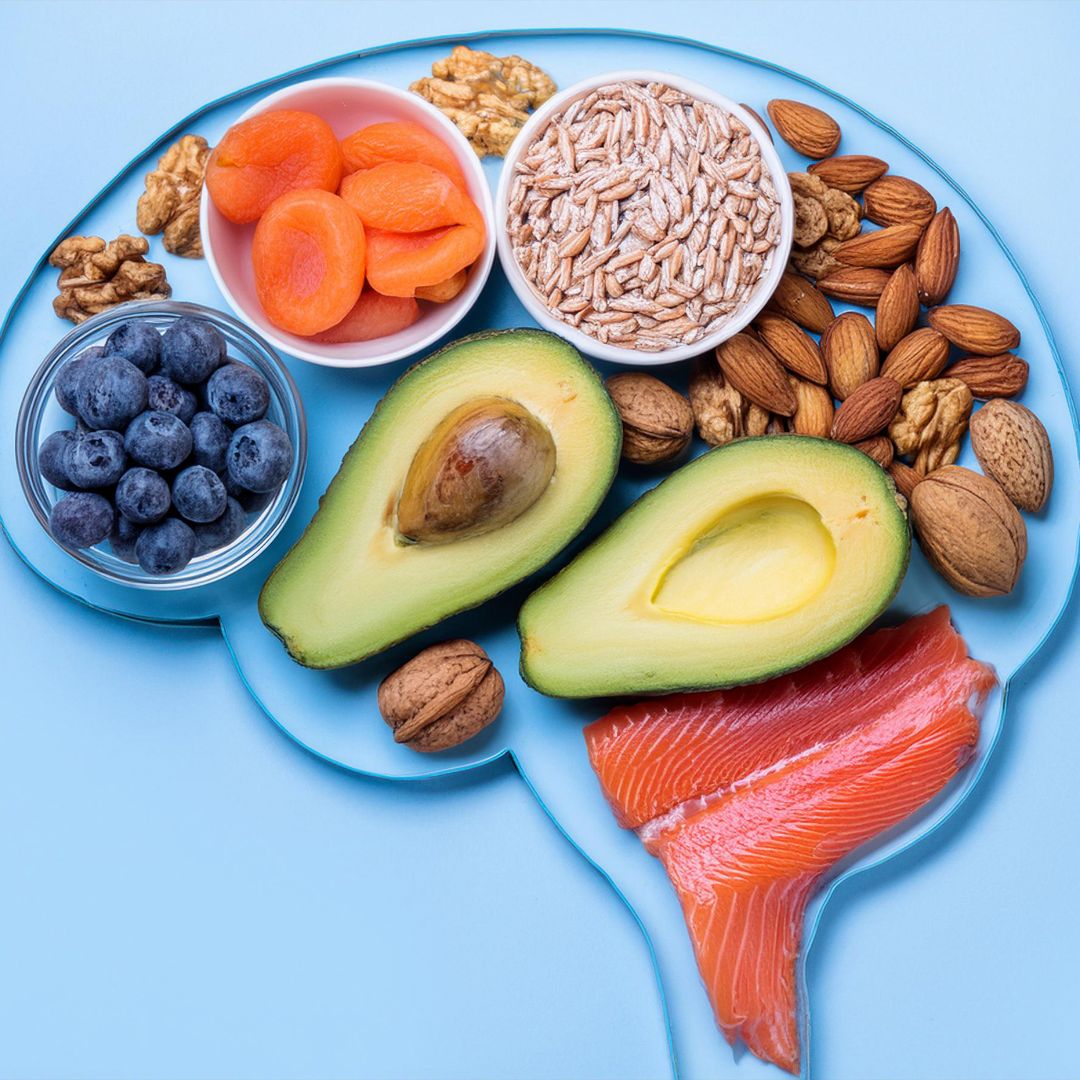
Top Tips for Supporting Your Brain Health
If you are noticing more brain fog, forgetting names, struggling to concentrate or simply thinking more about how to protect your brain as you get older, it can be difficult to know where to start.
There is certainly no shortage of advice. Take this supplement. Avoid that food. Do a daily crossword. Eat more blueberries. Buy a continuous glucose monitor.
But the best research tells a much less complicated story.
Brain health appears to benefit most when we look after several different areas at the same time: cardiovascular and metabolic health, nutrition, movement, sleep, hearing and vision, mental stimulation and social connection.
The 2024 Lancet Commission estimated that around 45% of dementia cases worldwide could potentially be delayed or prevented by addressing 14 modifiable risk factors throughout life.
That does not mean dementia is always preventable. Genetics, ageing and many factors outside our control remain important. But it does mean there are plenty of things we can do to create a healthier environment for our brains to age in.
Here are some good places to start:
1. Eat for Your Brain and Your Heart
One of the most consistent findings in brain-health research is that dietary patterns matter more than individual “superfoods”.
Mediterranean, DASH and MIND-style diets differ slightly, but they have far more similarities than differences. They tend to contain plenty of vegetables, fruit, beans and lentils, nuts, seeds, wholegrains, olive oil and fish, with fewer ultra-processed foods.
The evidence is not strong enough to say that any one of these diets prevents dementia. Instead, look at what these eating patterns have in common.
Try this: Aim to include vegetables or fruit at every meal, use extra virgin olive oil regularly, eat beans or lentils several times a week, include nuts and seeds, and choose minimally processed foods most of the time.
2. Look After Your Blood Sugar
The brain is highly energy dependent, but that does not mean it benefits from constantly high blood glucose.
Insulin resistance and type 2 diabetes are associated with an increased risk of cognitive decline and dementia. Diabetes is one of the 14 modifiable risk factors highlighted by the Lancet Commission, and the new WHO dementia risk-reduction guidance specifically recommends managing diabetes alongside other cardiovascular risk factors.
For day-to-day concentration, meals dominated by rapidly digested carbohydrates can also leave some people feeling hungry, tired or mentally flat a few hours later.
Try this: Build your meals around a good source of protein, plenty of vegetables and a sensible portion of fibre-rich carbohydrate.
For example, rather than toast and jam on its own, try eggs with wholegrain toast and vegetables, or Greek yoghurt with berries, seeds and oats.
You can read more about this in my article What is Causing my Brain Fog?
3. Don’t Forget Protein
We tend to associate protein with muscles rather than the brain, but maintaining muscle mass is an important part of healthy ageing.
Muscle is a major site of glucose disposal, so preserving muscle mass can support insulin sensitivity. Protein also provides amino acids required throughout the body for enzymes, hormones and neurotransmitter production.
This becomes particularly important from midlife onwards, when maintaining muscle can become more difficult.
Try this: Include a meaningful source of protein at each meal rather than leaving most of your protein until dinner.
Think eggs, Greek yoghurt, fish, chicken, tofu, tempeh, beans, lentils, cottage cheese or lean meat.
4. Eat Your Omega-3s Before Reaching for Supplements
DHA is an important component of brain-cell membranes, and oily fish is a regular feature of Mediterranean and MIND-style dietary patterns.
But supplements are not automatically better. The updated WHO guidance does not recommend omega-3 supplements specifically to reduce the risk of cognitive decline or dementia in people without a diagnosed deficiency.
That is an important distinction between supporting good nutrition and trying to treat or prevent disease with supplements.
Try this: Aim to eat oily fish regularly. Good options include salmon, sardines, mackerel, trout and herring.
If you do not eat fish, discuss suitable alternatives with a qualified practitioner rather than assuming you need a very high-dose supplement.
5. Eat More Colour
Blueberries often receive the “brain food” headlines, but they are not magical.
What is interesting is that berries, colourful vegetables, herbs, spices, tea, coffee, cocoa and extra virgin olive oil contain plant compounds called polyphenols.
Polyphenols interact with inflammatory signalling, vascular function, antioxidant defence and the gut microbiome. This is one reason researchers increasingly focus on dietary diversity rather than individual nutrients.
Try this: Instead of counting blueberries, count colours.
Across the week, include greens, reds, purples, oranges and yellows. Think broccoli, spinach, tomatoes, peppers, berries, beetroot, red cabbage, herbs and spices.
The more varied the plant intake, the broader the range of nutrients and plant compounds you are likely to consume.
6. Move Your Body and Pick Up Some Weights
If I had to choose between an expensive “brain supplement” and regular physical activity, the evidence would strongly favour movement.
Exercise research increasingly shows benefits for cognitive function, with aerobic, resistance and combined exercise all showing positive effects in older adults. Recent meta-analyses suggest resistance exercise may be particularly useful for several aspects of cognition.
Then there is the bigger multidomain evidence.
The Finnish FINGER trial combined nutrition, exercise, cognitive training and cardiovascular monitoring. More recently, the 2025 U.S. POINTER trial studied 2,111 older adults at increased risk of cognitive decline. Both lifestyle groups improved cognition, with greater benefit in the more structured intervention.
Try this: Combine everyday movement with both aerobic and resistance exercise.
Walk briskly, cycle, swim or dance, but also challenge your muscles two or more times each week if appropriate for you.
Your muscles are not separate from your metabolic or brain health.
7. Know Your Blood Pressure and Cholesterol
This is not as glamorous as buying nootropics, but it may be considerably more important.
High blood pressure and high LDL cholesterol are both recognised modifiable dementia risk factors. The 2024 Lancet Commission specifically added high LDL cholesterol in midlife to its list of factors associated with dementia risk.
What protects the blood vessels supplying your heart also helps protect the blood vessels supplying your brain.
Try this: Know your blood pressure, cholesterol and HbA1c, particularly from midlife onwards.
If they are raised, speak to your GP. Nutrition and lifestyle can support cardiovascular health, but they should complement appropriate medical management rather than replace it.
8. Take Sleep Seriously
We all know how poorly the brain works after a bad night's sleep. Attention, memory, decision-making and reaction times can all suffer.
The longer-term relationship between sleep and dementia is more complicated. Observational research links abnormal sleep duration and some sleep problems with increased dementia risk but cause and effect can be difficult to untangle because early brain changes may themselves disturb sleep.
One issue that should not be ignored is sleep apnoea.
Try this: Prioritise a regular sleep routine and speak to your GP if you snore heavily, stop breathing during sleep, wake repeatedly gasping or feel unusually sleepy during the day.
Better sleep is worthwhile for your brain now, even before we consider long-term risk.
9. Look After Your Hearing and Eyes
This is probably one of the more surprising brain-health recommendations.
Hearing impairment and untreated vision loss are included among the Lancet Commission's modifiable dementia risk factors. The new WHO guidance also recommends considering hearing aids as part of dementia risk-reduction strategies where appropriate.

Please get in touch and find out more - I offer a free 30-minute exploratory call.


.png)









Copyright 2026 all rights reserved
Privacy Policy | Cookie Policy
Website by Phuse Media - Web Design Leigh on Sea
Photography by Petra Blacklock Photography

Please feel free to be in touch with our sister clinic which specialises in PCOS
Alex Allan Nutrition is part of the Green Leaf Company (London) Ltd, a limited company registered in England and Wales. Registered number: 10990293
Disclaimer: ‘Please note that nutritional therapy is not medical advice - this should always be sought from your doctor or other medical provider. I aim to work alongside your doctor or GP to provide nutritional and lifestyle advice to support any underlying imbalances.'
