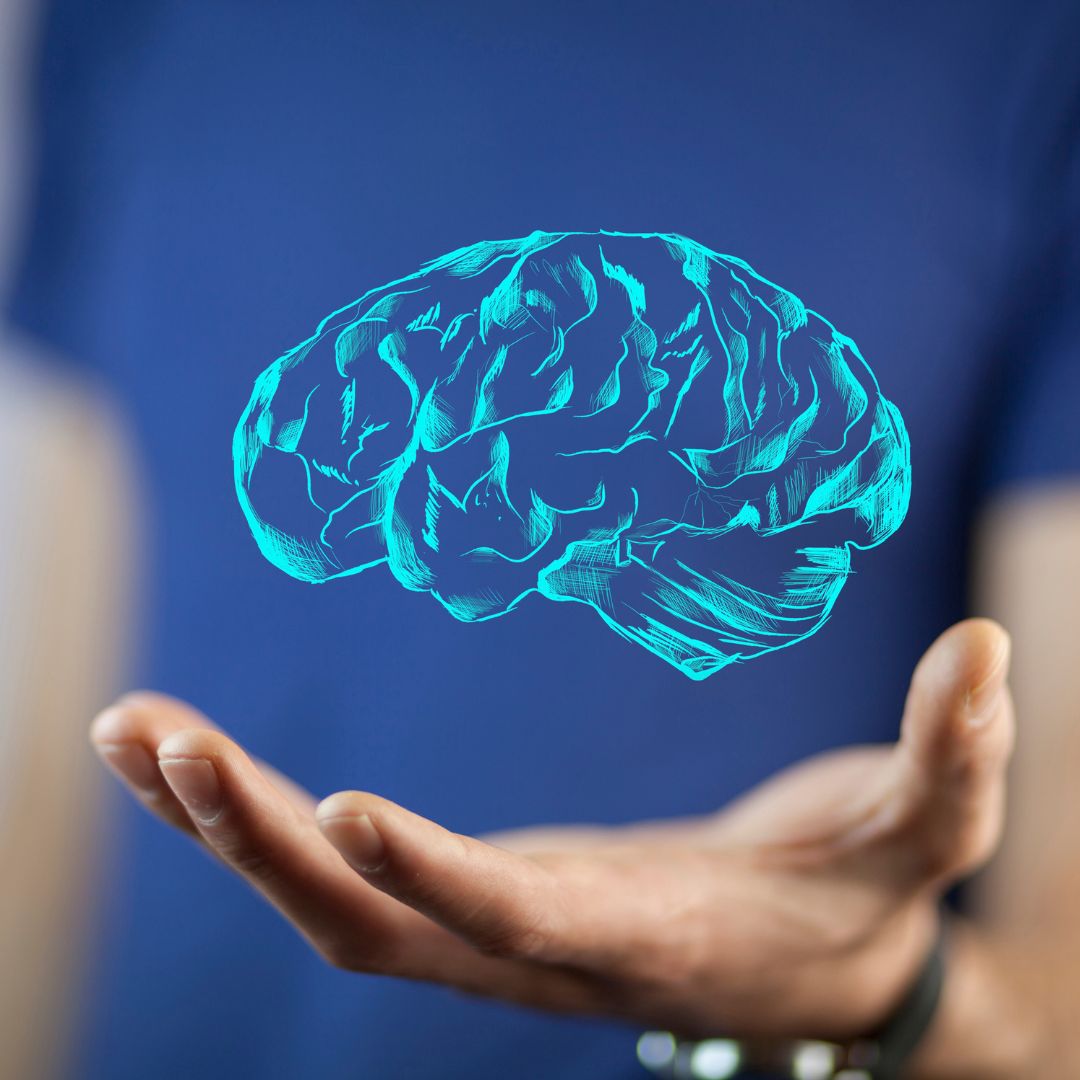
Brain Health: What Does the Evidence Actually Show?
When people start worrying about their memory, it is tempting to look for one thing to fix it. A supplement. A “brain food”. A test. A strict diet.
But that is not really what the evidence shows.
The strongest research points in a different direction: brain health appears to be influenced by many interconnected systems, including cardiovascular health, blood sugar regulation, movement, sleep, hearing & sight, social connection, and the overall quality of the diet.
That is actually encouraging. It means we are not relying on one magic ingredient.
And one of the most exciting findings comes from the 2024 Lancet Commission on dementia. Its authors estimated that around 45% of dementia cases could potentially be delayed or prevented by addressing 14 modifiable risk factors across the life course. These include diabetes, high blood pressure, high LDL cholesterol, smoking, physical inactivity, obesity, depression, hearing loss, untreated vision loss, and social isolation.
Please don’t take that as dementia is always preventable, or that somebody who develops it has done something wrong. Genetics, ageing and factors, which are completely outside our control, remain very important. But it does tell us that the environment in which the brain ages matters.
The Brain Does Not Live in Isolation
This is where a Functional Medicine way of thinking can be useful. Rather than treating the brain as a separate organ, we can look at the systems that support it.
The brain needs an enormous amount of energy and a continuous blood supply. It relies on healthy blood vessels to deliver oxygen and nutrients. It needs insulin signalling to work effectively. It needs sufficient vitamins, minerals, fats and protein. It is influenced by inflammation, sleep, hormones, movement, and messages coming from the gut.
Therefore, which kind of internal environment helps the brain function well for as long as possible?
What Should We Actually Eat?
Let’s start with food. There is currently no single scientifically proven “dementia prevention diet”. But, dietary patterns associated with better cognitive and cardiovascular outcomes have a remarkable amount in common.
Mediterranean-style diets emphasise veggies, fruit, beans and lentils, wholegrains, nuts, seeds, olive oil and fish, with relatively little ultra-processed food. The DASH diet has similar foundations. The MIND diet combines elements of both and places extra emphasis on green leafy vegetables and berries.
A 2024 meta-analysis found that greater adherence to a Mediterranean dietary pattern was associated with a lower risk of dementia and Alzheimer’s disease. Observational studies of the MIND diet have also been encouraging.
But here is an important reality check. In a three-year randomised controlled trial involving 604 older adults at increased risk, the MIND diet did not produce significantly greater cognitive improvement than the comparison diet. Interestingly, both groups improved their diets and lost around 5kg.
For me, that is not evidence that healthy eating “doesn’t work”. It is a reminder that we should focus on the common characteristics of healthy dietary patterns rather than becoming obsessed with one named diet.
Think plants, fibre, healthy fats, adequate protein and minimally processed food.
Feed Your Blood Vessels and You Feed Your Brain
One of the clearest themes in dementia research is cardiovascular health.
High blood pressure, diabetes and high LDL cholesterol are all included among the Lancet Commission’s modifiable dementia risk factors. In fact, the Commission estimated that high LDL cholesterol in midlife could account for around 7% of dementia cases worldwide, which is a striking statistic.
The same habits that support good cardiovascular health help support the environment in which the brain operates: plenty of plants and fibre, replacing excess saturated fat with unsaturated fats such as olive oil, nuts and seeds, regular fish, movement, not smoking, and appropriate management of blood pressure, cholesterol and glucose.
This also links back to blood sugar. Insulin resistance and type 2 diabetes can affect the small blood vessels supplying the brain and are associated with higher rates of cognitive decline. I explored this in more detail in my previous article on blood sugar, inflammation and brain health.
Do Omega-3 Fats Deserve Their Reputation?
The Omega 3 fat DHA is an important structural component of brain-cell membranes, while EPA and DHA can influence inflammatory signalling.
Eating oily fish – which is a good source of Omega 3 fats - is consistently associated with healthier cardiovascular outcomes, and many brain-healthy dietary patterns include fish regularly. Supplement research, however, is less straightforward.
A 2025 meta-analysis of 58 randomised trials suggested that omega-3 supplementation may produce modest improvements in some aspects of cognition, but the certainty of evidence varied and researchers concluded that longer, better-designed trials are still needed.
So rather than assuming that everybody needs a high-dose fish-oil supplement, a sensible food-first approach is to include oily fish regularly, such as salmon, sardines, mackerel, trout or herring. Supplements may be appropriate in some circumstances, but they should be personalised.
The Homocysteine Story Is Fascinating
Homocysteine is an amino acid produced during normal metabolism. Vitamins B12, B6 and folate help the body process it.
Higher homocysteine concentrations have been associated with cardiovascular disease, brain atrophy and cognitive decline, which has led researchers to investigate whether lowering homocysteine could help.
The VITACOG trial produced one of the more intriguing findings in nutritional neuroscience. In older people with mild cognitive impairment, high-dose B vitamins seemed to reduce homocysteine and slowed brain atrophy. A subsequent analysis found that the greatest effect was seen in participants who also had higher omega-3 status.
Again, this does not mean everyone should take high-dose B vitamins, however. Across trials, findings are mixed, particularly in cognitively healthy people. B12 and folate deficiencies should be identified and corrected appropriately, while homocysteine testing may be useful in selected clinical circumstances.
Your Muscles Are Part of Your Brain-Health Strategy
We often talk about exercise as though it is separate from nutrition, but metabolically they are deeply connected.
Muscle is one of our largest sites of glucose disposal. Maintaining muscle can therefore support insulin sensitivity as we age. Exercise also affects blood flow, cardiovascular fitness, inflammation and signalling molecules involved in brain plasticity. A 2024 systematic review of long-term exercise found benefits for cognitive outcomes in older adults.
But perhaps the most compelling evidence comes from studies where researchers changed several things at once.
The landmark Finnish FINGER trial combined dietary guidance, exercise, cognitive training and vascular risk monitoring. After two years, overall cognitive improvement was around 25% greater in the intervention group than in the control group.
Then, in 2025, came the U.S. POINTER trial. More than 2,100 older adults at increased risk of cognitive decline followed one of two programmes involving nutrition, physical activity, cognitive and social activity and health monitoring. Cognition improved in both groups, with greater improvement in the more structured programme.
That may be the biggest message of all: the evidence increasingly supports doing several sensible things together.
What About the Gut-Brain Axis?
The gut microbiome produces metabolites, including short-chain fatty acids, that can interact with immune, metabolic and nervous-system pathways. This makes the gut-brain axis biologically plausible and extremely interesting. Diets rich in diverse plant foods, fibre and polyphenols can support microbial diversity and the production of beneficial metabolites.
However, human evidence showing that manipulating the microbiome prevents dementia is not yet strong enough for such claims. So, I would recommend focussing on supporting the microbiome for overall health rather than buying expensive “brain probiotics”.
Seven Things You Can Do for Your Brain
Start with the basics rather than a supplement cupboard.
Perhaps the most reassuring message is that brain health is not about perfection.
The 2024 Lancet Commission describes dementia risk across an entire lifetime. FINGER and U.S. POINTER suggest that even later in life, changing several factors together can make a measurable difference to cognition. We cannot control every risk factor, and no lifestyle programme can guarantee that dementia will not occur.
But we can give the brain a healthier environment in which to age. And that means looking beyond the latest “brain food” and supporting the whole person instead. If you’re interested in knowing more, why not get in touch?

Please get in touch and find out more - I offer a free 30-minute exploratory call.


.png)








Copyright 2026 all rights reserved
Privacy Policy | Cookie Policy
Website by Phuse Media - Web Design Leigh on Sea
Photography by Petra Blacklock Photography

Please feel free to be in touch with our sister clinic which specialises in PCOS
Alex Allan Nutrition is part of the Green Leaf Company (London) Ltd, a limited company registered in England and Wales. Registered number: 10990293
Disclaimer: ‘Please note that nutritional therapy is not medical advice - this should always be sought from your doctor or other medical provider. I aim to work alongside your doctor or GP to provide nutritional and lifestyle advice to support any underlying imbalances.'
