
Healthy Happy Hormones
When you think about mental health, you’re probably thinking about your brain and how that works. The picture is often much more complex. Hormones play a big part because these chemical messengers are the background to everything that happens in your body. How you feel, therefore, is not just psychological, it’s biological.
Did you know, there are a huge number of symptoms that are common to both depression and hormonal imbalance? These include low energy, dizziness, low mood, apathy, anxiety, irritability, anger, lack of enthusiasm, despair, headaches, poor concentration, feelings of hopelessness, lack of confidence, low libido, fuzzy brain, memory loss, and insomnia (although there are others).
Rebalancing your hormones naturally is not something that happens overnight, but it can be greatly improved with the help of nutritional and lifestyle changes.
Two of the main hormones that affect your feelings of mental wellbeing and clarity are oestrogen and progesterone, and these change throughout your menstrual cycle. It’s an oversimplification – but perhaps a helpful one – to think about oestrogen largely bringing positive effects to your mood and progesterone contributing more negative effects. With such a pronounced hormonal connection on mental health, it’s small wonder that women are twice as likely to suffer from depression than men.
According to the National Institute of Mental Health, 64% of women who suffer from depression say their symptoms get worse during the pre-menstrual period. Hormones are also likely to contribute to antenatal or postnatal depression, which affect around 10-15% of new mothers. And anxiety and depression are also starting to be recognised as symptoms of the peri- menopause on top of hot flushes and night sweats.
How it Works
At certain times in your cycle (in the run-up to ovulation), there will be lots of oestrogen in your system and women tend to feel brighter and better in their mood. You might even notice at this time you feel better at talking and articulating yourself. In the second half of your cycle, oestrogen dips, and progesterone comes into play. For some women, this can lead to lowered mood or depression.
You might already experience this as Pre-menstrual Syndrome (PMS), a very common condition linked to the changing levels of these hormones, that might include feelings of bloating, breast tenderness or headaches, or manageable emotional symptoms like irritability.
For a small number of women (about 2-8%), the effect of these hormones on their mental wellbeing is pronounced. This is called Pre-menstrual Dysphoric Disorder (PMDD); an extreme form of PMS and one that, if you think might apply to you, you will want to ask your doctor about.
Why does this happen?
One of the first things to know is that the production of dopamine and serotonin (the two main brain chemicals associated with the development of depression and psychosis) is heavily linked to levels of oestrogen.
Research seems to suggest that there isn’t a noticeable difference in levels of oestrogen between those who are affected by mental health symptoms around their period or during the menopause – it seems some women are just especially sensitive to hormonal change, or perhaps also that lifestyle problems like stress may also play a big part.
Other hormones:
Testosterone: You might think of testosterone as the male hormone and, while men do produce much higher levels, every woman needs testosterone, too. Testosterone can increase sexual desire and libido, make bones and muscles strong, and have you feeling assertive and confident. The downside can be anger and aggression.
Thyroid: Altered levels of thyroid hormones impact on mental wellbeing. If you just don’t feel like yourself, feel lethargic and low, it could be that your levels of active thyroid hormone are low.
Cortisol: Cortisol is one of the main stress hormones and, when stress levels are high, literally any of the mood-related symptoms I have mentioned earlier might be present.
Oxytocin: Oxytocin directly opposes cortisol. It’s the love hormone and, if you have children, you might recognise it as the hormone that floods women after childbirth to encourage bonding. It has a direct effect on appetite, insulin resistance, weight loss – and your mood.
Impact of hormones on your blood sugar balance
Declining oestrogen levels have a role to play in insulin sensitivity (that means how sensitive – or not – the cells in your body are to the fat storage hormone insulin).
In fact, a lack of sensitivity to insulin (or even being resistant to the effects of insulin) is lurking behind many of the common menopause or PCOS symptoms - like fatigue and weight gain as well as symptoms of low mood, like brain fog, anxiety and depression.
Check out my blog on your Hormone Balancing Action Plan for more details on how to balance your hormones with diet and lifestyle changes.
And if you want to find out more, don’t hesitate to get in touch. You can book a free call here.
.jpg)
How’s your blood pressure?
Is your blood pressure under 120/80mmHg? If you don’t know your numbers, here’s why it really matters.
When you know your numbers, you are then able to take steps to get yours back in control if you need to. Home blood pressure monitors are cheap and easy to buy online too.
What is blood pressure?
Blood pressure is the force, or pressure, that blood exerts on the walls of the blood vessels. This pressure ensures a steady flow of blood into, and out of, all the organs of the body.
Keeping blood pressure within normal limits is vital.
If it is too high (hypertension), blood vessels can be damaged, causing clots, and rupture, resulting in a heart attack or stroke.
If it is too low (hypotension), blood flow to the tissues may be inadequate, which is potentially very dangerous – especially if this were to affect the brain, kidneys or heart.
How do I know I have blood pressure problems?
High or low blood pressure does not always cause symptoms.
Pubescent girls, young, slim women, pregnant women and gaunt, older people are most frequently affected by low blood pressure. It can be a result of dehydration, which is particularly common in older people.
If you experience symptoms of low blood pressure (see below), and they occur frequently or very suddenly, you should get the cause clarified by your doctor.
High blood pressure or hypertension, which is more common than low blood pressure, not only affects older people. Young adults and even children can also suffer from it. What is particularly worrying is that many people affected do not know they are ill.
What causes high blood pressure?
There are many causes of hypertension. In most cases, an unhealthy diet and lifestyle are major contributory factors.
The risk of developing high blood pressure increases with age. Over the years, the blood vessels lose their elasticity and become stiffer. Often, only the upper blood pressure value (systolic pressure) is elevated in older people - this is also considered high blood pressure, which is usually treated with medication.
These days, more and more children also develop high blood pressure. In children, the main causes are being overweight and too little exercise. Maintaining a normal weight and doing daily physical activity are the best ways to protect children from high blood pressure and its consequences.
In adulthood, it affects men more often than women. About one in five men between the ages of 40 and 49 has high blood pressure. From the age of 60 onwards, women catch up. This is usually caused by the menopause, when levels of the hormone that lowers blood pressure, oestrogen, begin to fall. Women can also develop high blood pressure during pregnancy or by taking the contraceptive pill.
In rare cases, high blood pressure is the result of another disease. This is usually a kidney disease, hormone disorder or vascular disease. If this other condition can be treated successfully, blood pressure usually returns to normal.
What are the symptoms of low blood pressure?
What are the symptoms of high blood pressure?
Most people show hardly any clear symptoms of high blood pressure, so it often goes unnoticed for a long time. That’s why it’s often referred to as a ‘silent disease’. It is, therefore, important to take possible signs of high blood pressure seriously and see a doctor as soon as possible:
How can a nutrition practitioner help?
A common underlying reason for blood pressure problems is poor diet and lifestyle choices. Even small changes to your habits and what you eat can make a big difference in a relatively short period of time.
As a Registered Nutritional Therapist, I ask questions about your overall health and health history, diet, lifestyle and exercise habits. I also look at your food diary to see where there may be room for improvement. Working with you, we can develop a customised diet, supplement and lifestyle plan for you that can help improve your wellbeing. Why not get in touch? You can book a call here.
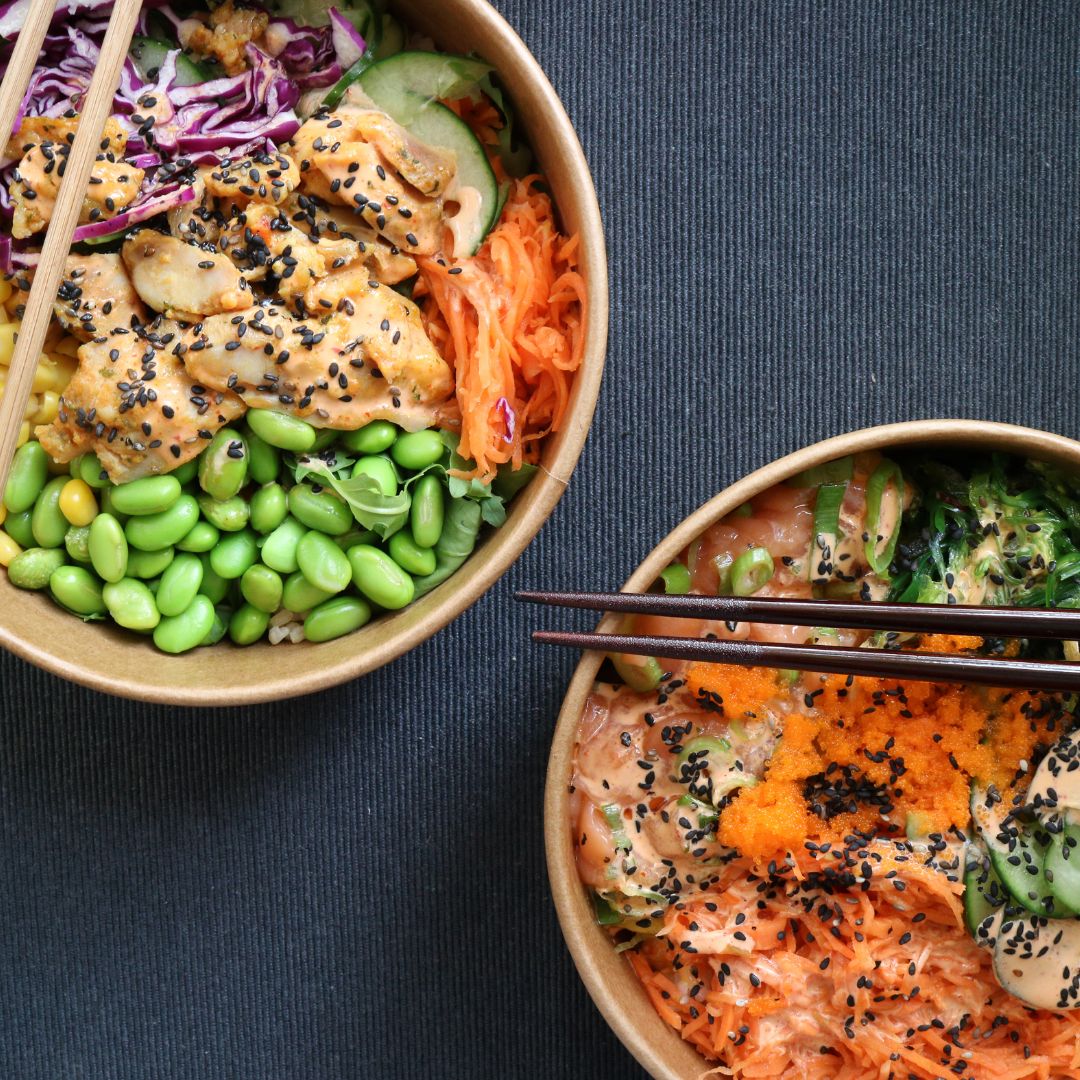
Teriyaki Salmon Bowl
If you're looking to add some healthy omega 3 fats to your diet, salmon is an excellent way to do it! And this salmon bowl is a quick and easy midweek dinner, that you'll be keen to add to your weekly rota.
Feel free to switch up the veggies to what's in season over the year, and don't forget that frozen veggies are just as healthy.
Serves 2
Ingredients
2 salmon fillets
2 tbsp tamari (soy sauce)
2 tbsp mirin (rice vinegar)
2 tbsp sherry
1 tsp honey
1 tsp water
1 tsp cornflour
180g cooked quinoa
60g fresh spinach
1 avocado, sliced
40g edamame, shelled
1 carrot, grated
1 tsp sesame seeds
1 sheet Nori (or roasted seaweed snack) cut into thin slices
1 spring onion, sliced
Method:
1. Preheat the oven to 200°C. Prepare a baking sheet with greaseproof paper on top of foil.
2. In a small pan, combine tamari, mirin, sherry and honey and heat gently over a low-medium heat.
3. In a separate bowl, whisk together the cornflour and water. Add to the tamari and bring to the boil. Reduce the heat and stir until the teriyaki reaches desired consistency (about 2-3 mins).
4. Place the salmon skin side down on the prepared baking sheet, brush with teriyaki sauce. Reserve any unused teriyaki sauce. Place in the oven and cook for approx. 12-15 mins until pink.
5. While the salmon is cooking, heat a large pan, drizzle a small amount of water and cook the spinach until it wilts, season with salt and pepper.
6. To assemble, divide the cooked quinoa between bowls. Top with the almonds, spinach, carrot, edamame, avocado, sesame seeds, onions and Nori strips. Drizzle the remaining teriyaki
sauce over the bowls.
7. Enjoy!
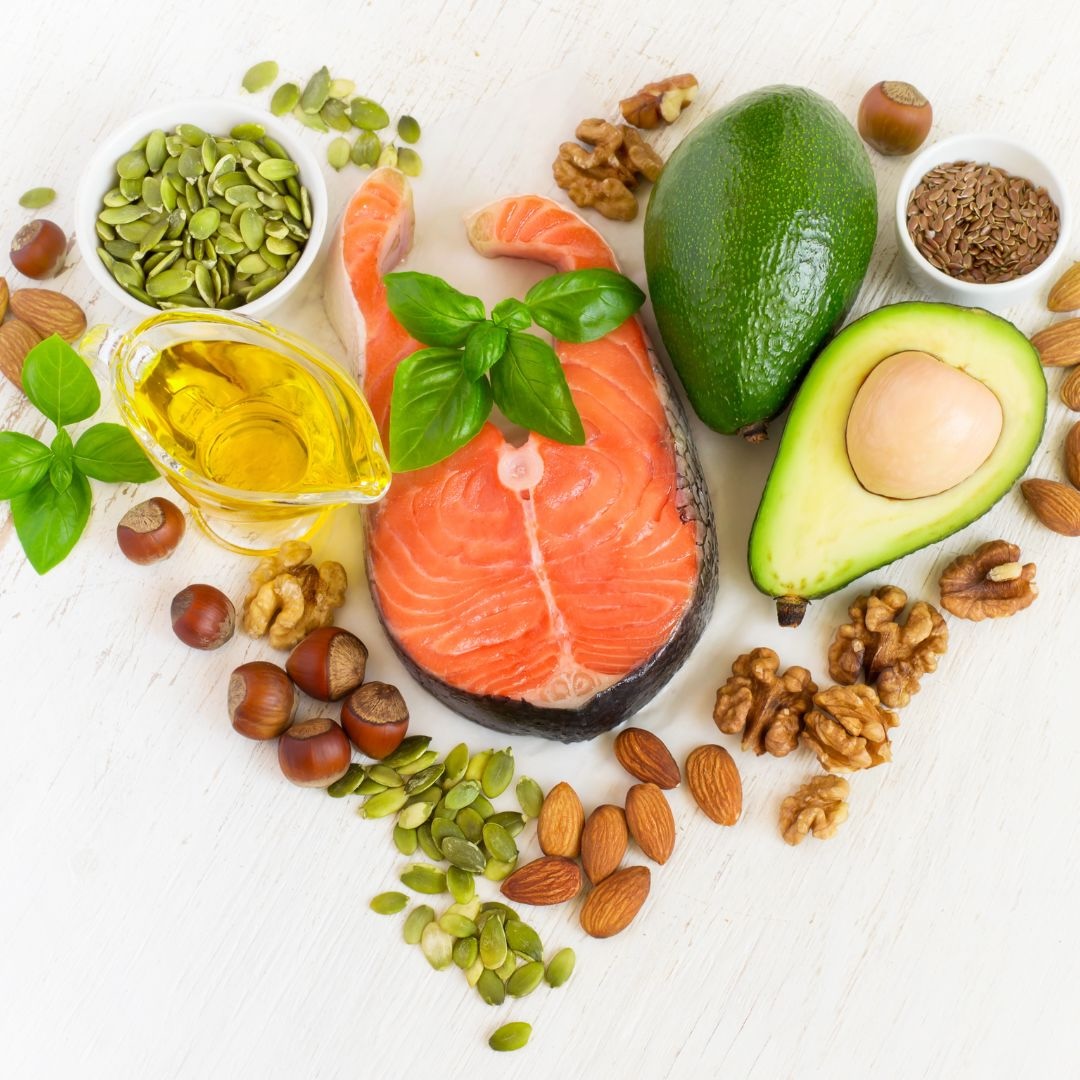
Which Fat?
Park that notion that fat is bad. It is not. In fact, most of us aren’t eating enough of it.
Fat can help you lose weight, protect against heart disease, absorb vitamins and boost your immune system. Do you know which fats to eat and which to avoid?
Saturated fat
These are the fats that have the worst reputation, and they’re found in animal fats and coconut oil.
Here’s the controversial bit because it goes entirely against what we have been told for decades (and we are still being told by government agencies) … these saturated fats that you eat – the dietary saturated fats – don’t raise cholesterol.
The fats that are ‘bad’ are the trans fats, which cause cell membranes to become stiff and hard, and they no longer function correctly. Trans fats are harmful to cardiovascular health (lower good cholesterol - increase level of bad cholesterol). Some trans fats are contained naturally in dairy products, but particularly in processed foods (i.e. hydrogenated oils, margarine).
Monounsaturated fats
These are the kinds of fats associated with the Mediterranean diet – particularly olive oil -, and populations that eat a lot of these fats, like the people of Greece and Italy, have some of the lowest rates of heart disease in the world.
Many cardiologists advocate the Mediterranean diet, as higher intakes of this kind of fat are linked to lower cholesterol (or, to be more accurate, a better ratio of LDL to HDL cholesterol).
Polyunsaturated fats
You will probably know these as omega-3 and omega-6 – the essential fatty acids. ‘Essential’ relates to the fact that the body cannot make this kind of fat; you need to eat it as part of your diet – or take it as a supplement.
They fulfil many roles in the body, and sufficient levels have implications for cell membranes, hormones (they regulate insulin function), managing inflammation and immunity, mood and memory.
As a rule, omega-6 fats are not as good for you as the omega-3 fats, which are all anti-inflammatory. It’s not that omega-6 fats are inherently bad, just that it’s less good when the balance between the omega-6 and omega-3 fatty acids gets disturbed.
Historically, humans ate a good ratio of omega-6 to 3 – ranging between 1:1 and 4:1. The modern Western diet has changed things for the worse, and the ratio is frequently 20:1 thanks to processed foods, vegetable oils and conventionally raised (rather than grass-fed) meat.
What happens is that you get more of this…
Here’s why fat is essential in the body…
How did fat get such a bad name?
Fat has got a bad reputation. Over the last 70 years low-fat products have been marketed as the saviour of our health. And the message from governments and the media was – and largely still is – that, when eaten, fat gets stored as fat in the body and puts us at greater risk of heart disease.
Part of the problem, of course, is that we use the same word for the fat we DON’T want (on the hips, around the middle and so on) and the fat we eat.
The demonisation of fat began when an American scientist called Ancel Keys produced the first ‘evidence’ linking saturated fat to heart disease in 1953. He based his scientific opinion on observational data of heart disease, death rates and fat consumption in six countries (ignoring statistics from a further 16 countries because they contradicted his hypothesis) and assumed a correlation between heart disease and eating fat. (As an aside, when another scientist looked at the same research, this time considering ALL 22 countries’ data, no correlation was found).
Although there might have been correlation (there was a relationship), it was not causal (didn’t actually cause the situation).
A further study on rabbits compounded Ancel Keys’ hypothesis: The rabbits were fed cholesterol (which doesn’t normally form a part of their 100% veggie diet) and went on to develop fatty deposits in their arteries. And then, guess what happened? Poor bunnies!
Governments (and their health care agencies) across the world began advocating a low-fat diet. They told us to fill up on bread, rice, cereals and pasta, and opt for low-fat or no-fat alternatives wherever we could.
Soon, the food industry jumped on board to create products that better satisfied this new advice. They replaced saturated fats with ‘healthier’ vegetable oils, like margarine and shortening – ironically trans fats are now one of the few fats research shows ARE linked to heart disease.
The biggest problem is that, when you remove the fat from foods, you need to replace it with something else to make those foods palatable – and this replacement is sugar. This was a REALLY bad move.
My favourite fats
AVOCADOS They go with practically anything and are high in both vitamin E and in healthy monounsaturated fats. Slice it, mash it, love it!
COCONUT OIL There’s so much to like. Apart from helping reduce bad cholesterol and blood pressure, coconut oil is an anti-fungal (caprylic acid) when used both externally or internally. The ideal replacement for butter in baking and as your oil of choice when frying (though we think it works best if you’re cooking something with an Asian influence).
NUTS Packed with nutrients like magnesium and vitamin E, nuts bring plenty of essential fats to the table. They make the perfect snack – eat a handful (preferably raw) with a small piece of fruit or spread a little nut butter on an oatcake (peanut butter is just for starters – try almond for a change).
OILY FISH are chock full of omega 3 fatty acids, which are the building blocks of your sex hormones, so are essential for hormone balance. We love them all!
OLIVE OIL Use cold pressed organic oil as a dressing on salads rather than to cook with as the high temperatures reached when roasting or frying can turn the oil rancid.
Cooking with fat
How the fat is used (through cooking and processing) is a big deciding factor whether it is healthy or unhealthy. Essential fatty acids (EFAs) become free radicals in the presence of light, oxygen and heat.
That is because frying with oils like olive oil at high temperature leads to oxidation and the production of free radicals – highly inflammatory for the body and may increase the risk of heart disease or cancer.
Use these oils for cooking
Coconut oil, rapeseed (vegetable) oil, avocado oil, butter or ghee, or goose fat (clarified butter).
NOT olive oil or sunflower oil. Don’t use sunflower oil at all (although do eat the seeds) and save olive oil for dressings on salads.
.jpg)
Eat to improve your heart health
Many people fear a heart attack. Think of it as the last straw. Heart disease is, in many cases, a lifestyle disease that is avoidable and, with the right focus, you can avoid it, too.
There are some pretty big risk factors (outside of smoking and drinking in excess), and these include being diabetic, having high cholesterol, and being overweight.
What I want to talk to you about today is which dietary changes you might start to make from today, to protect your health and that of your loved ones. There’s fantastic news in this regard because a number of huge studies point to diet and lifestyle change being IT when it comes to prevention.
The INTERHEART study, published in the Lancet in 2004, followed 30,000 people in 52 countries. Researchers found that lifestyle changes could prevent at least 90 percent of all heart disease.
This was another big one: the EPIC study in 2009 looked at how 23,000 people adhered to 4 simple behaviours: not smoking, exercising 3.5 hours a week, eating a healthy diet, and maintaining a healthy weight. Sticking to these four behaviours alone seemed to prevent 93% of cases of diabetes, 81% of cases of heart attacks, 50% of cases of strokes, and 36% of cases of all cancers.
A SIMPLE STRATEGY FOR GOOD HEALTH
Of course, everyone is individual, and there is no official ‘single diet’ that all humans should eat. But if there were, this would be it because it handles what the essence of the problem is – being overweight and a highly inflammatory internal environment.
Before I dive in with some of the answers, I want to say a little something about fat because chances are, if you’ve heard one thing about staving off a heart attack, it’s ‘cut back on fat’ (and especially the saturated kind).
The success of some low-fat dietary models in weight loss is thought to be more likely due to the simultaneous reduction of sugar, refined carbohydrates and processed foods.
Dietary fat actually turns off fat production in your liver. Unlike carbohydrates and protein, dietary fat does not trigger your pancreas to secrete insulin.
There is one type of fat everyone should avoid, and it is trans fats, a kind of Frankenstein fat added to food to improve shelf life and mouthfeel of products. One study actually found that the risk of coronary heart disease doubled with each 2 percent increase in calories from trans fats. Another researcher even concluded: “On a per-calorie basis, trans fats appear to increase the risk of CHD more than any other micronutrient.”
THE REAL VILLAINS…
The real villains in the piece are refined grains and sugar. During processing, refined grains are stripped of the bran and germ, two parts of the grain kernel that contain a wealth of nutrients. The final product is starch with next to no nutritional value, providing little more than carbohydrates and calories. Refined carbohydrates can be found in a wide variety of foods, including white bread, pasta and rice, muffins, cakes, cookies, crackers, and bagels.
Unfortunately, these foods make up a pretty good chunk of the modern Western diet and may be linked to a higher risk of heart disease. One study from China found that a higher carbohydrate intake, mainly from refined grains, was associated with an increased risk of coronary heart disease among 117,366 adults.
Sugar is one of the main culprits of heart disease. Added sugars from foods like sweets, desserts, juice and soft drinks can spike blood sugar levels, damaging the blood vessels, overloading the liver and increasing the risk of heart disease.
Interestingly, a study from Harvard School of Public Health actually found that participants who drank the highest number of sugar-sweetened beverages had a 20 percent higher relative risk of developing coronary heart disease than those who drank the lowest amount.
WHAT THIS MEANS IS …
A lower carbohydrate diet is recommended to balance blood sugar and therefore reduce insulin and blood glucose levels. Elevated insulin is a major risk factor for heart disease and promotes inflammation.
You’re also likely will lose weight on a blood sugar balancing diet, and that in itself will reduce the risk for many chronic diseases, including heart disease and high blood pressure.
Do you notice a trend in my diet tips? What’s to focus on is real food. What you would benefit from decreasing is the processed stuff most people kid themselves is OK for them to eat. Truly, your body doesn't know what’s going on when you shovel in heavily processed or chemically altered foods.
Eating this way - sometimes referred to as a low GL (glycaemic load) diet - will also help, providing your body with a steady supply of energy through the day, rather than a high-octane rollercoaster of energy spikes and troughs.
Putting the food work into your life alongside the commitment to regularly de-stress, move your body and prioritise sleep is not always easy to do on your own. It is always helpful to have someone – like me – in the wings helping you fit what you already know about eating well into your life and keeping you motivated to follow your plan for long enough that you really see a shift in your health.
As a Registered Nutritional Therapist, I work a lot with clients with heart conditions or those who have a family history of heart disease. If you’d like to know more about the programmes and testing I can offer, why not get in touch? You can book a call here.
A SIDE NOTE ON SALT
Salt has long been considered a major contributor to high blood pressure, and the high salt content of processed foods and junk food has been given at least some of the blame for the high incidence of hypertension and heart disease. However, even this recommendation has recently come under scrutiny and may change in the future.
Recent research has cast doubt on the role of salt intake in hypertension. However, the WHO and most countries still recommend less than 2g sodium/day, equivalent to <5g/day salt in adults, which is equivalent to 1 teaspoon. Until this changes, we should stick to the guidelines yet recognise that other factors also contribute to high blood pressure (such as sugars). Salty snacks like potato chips, pretzels and microwave popcorn are full of added ingredients as well as salt, that can take a serious toll on heart health - they are best avoided. Where possible choose natural sea salt, which is rich in trace minerals. The healthiest forms of sea salt are the least refined with no added preservatives.
Pink Himalayan salt is widely regarded as the ultimate mineral-rich seasoning and the purest of the natural salt family. Regarding health benefits, sea salt is plentiful in trace minerals due to its marine derivation, delivering many of the same nutritional compounds that make superfood seaweed so nutritious.
The healthiest forms of sea salt are the least refined with no added preservatives (which can mean clumping in the fine variety).
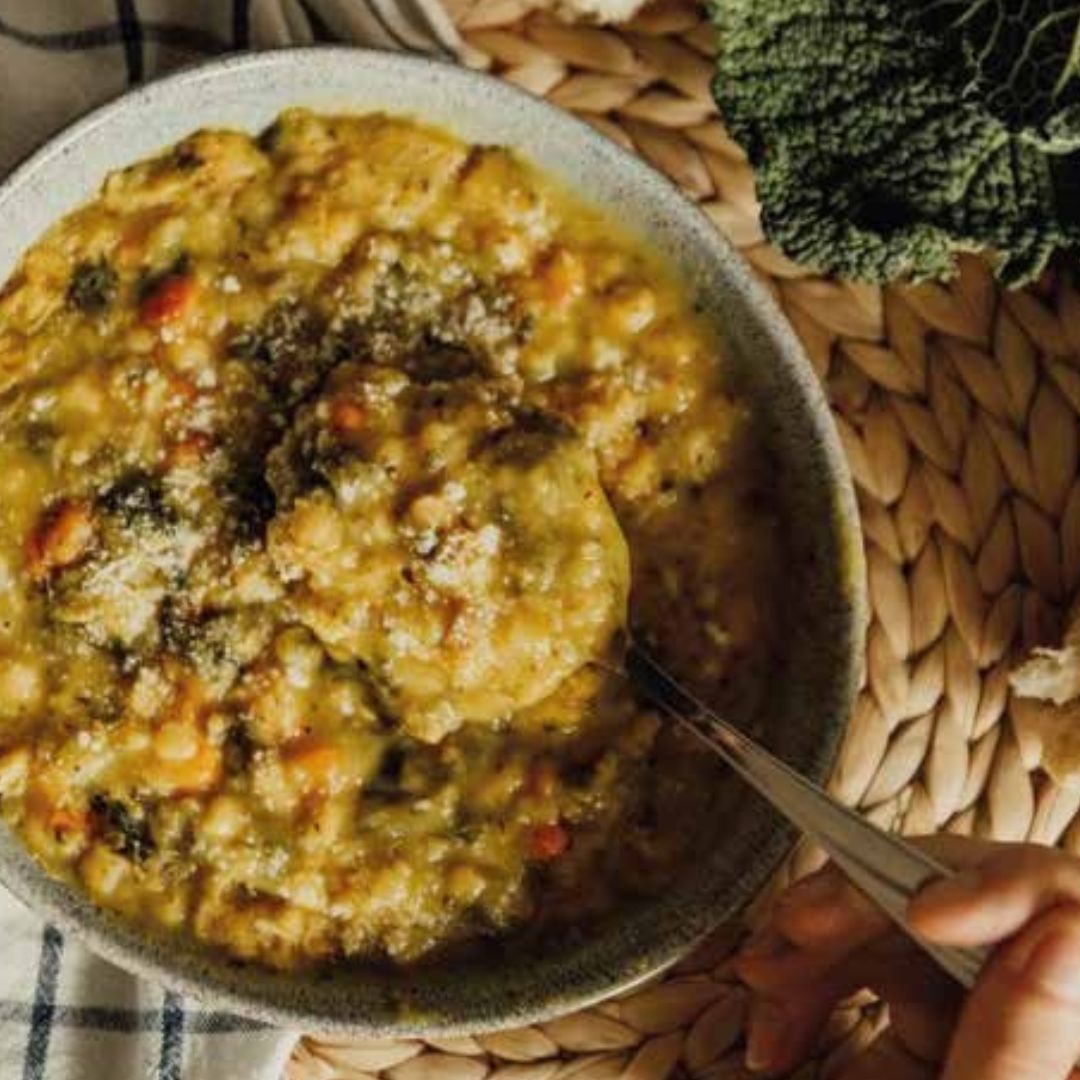
Everyday Lentil and Vegetable Soup
If you’re looking for the perfect batch cook recipe, here it is! You can make several portions in one go and pop them in the freezer for near-instant lunches.
Plus, this delicious, warming soup is perfect for the dreary January recipe.
Ingredients:
2 tbsp coconut oil
4 cloves garlic, crushed
2 shallots, diced
4 celery stalks, sliced
4 large carrots, sliced
2 litres vegetable stock (homemade or using 2 stock cubes)
4 sprigs rosemary or thyme
200g uncooked green lentils - rinsed and drained
160g kale, sliced
Black pepper
Fresh parsley, to serve (optional)
Method:

Please get in touch and find out more - I offer a free 30-minute exploratory call.


.png)





Copyright 2026 all rights reserved
Privacy Policy | Cookie Policy
Website by Phuse Media - Web Design Leigh on Sea
Photography by Petra Blacklock Photography

Please feel free to be in touch with our sister clinic which specialises in PCOS
Alex Allan Nutrition is part of the Green Leaf Company (London) Ltd, a limited company registered in England and Wales. Registered number: 10990293
Disclaimer: ‘Please note that nutritional therapy is not medical advice - this should always be sought from your doctor or other medical provider. I aim to work alongside your doctor or GP to provide nutritional and lifestyle advice to support any underlying imbalances.'
