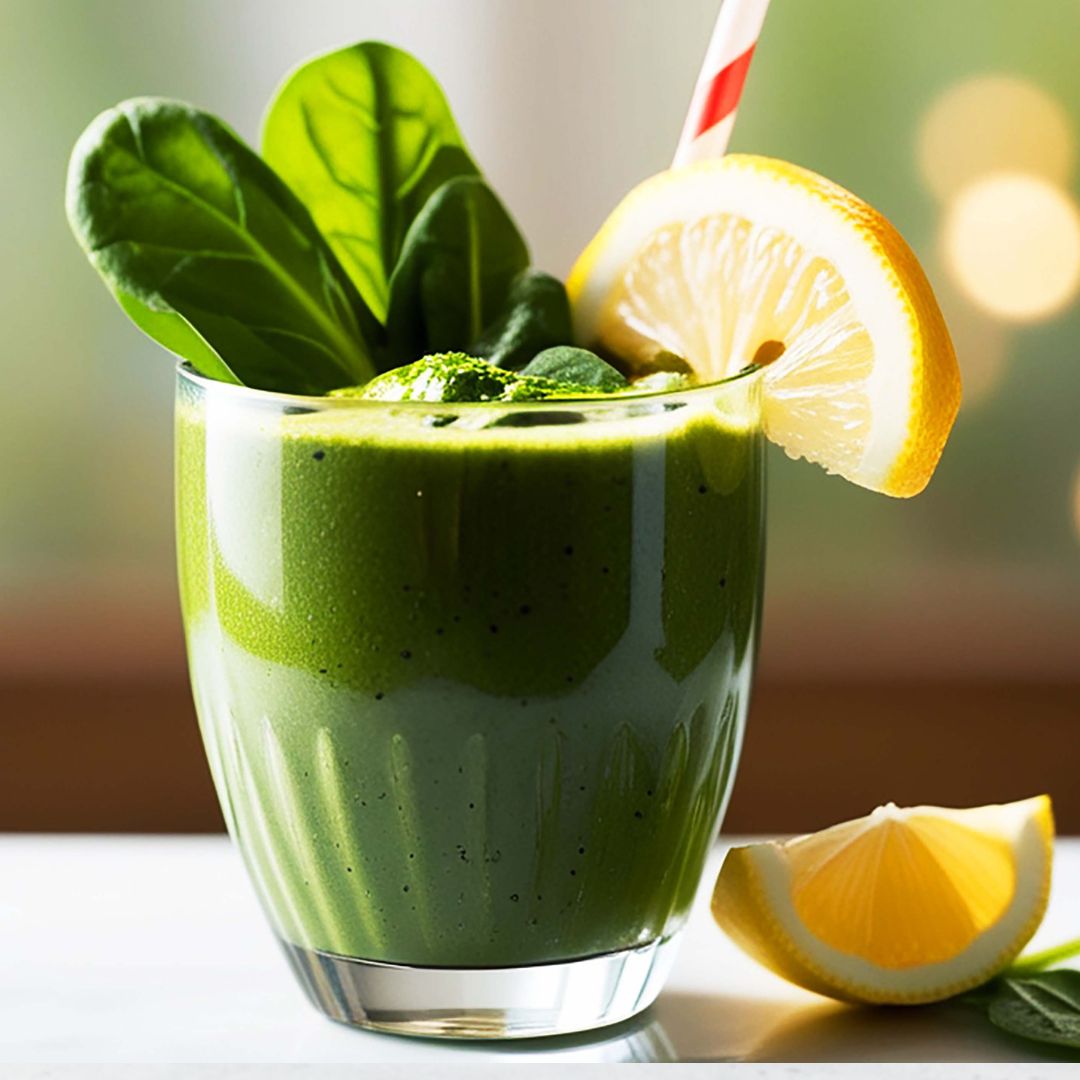
Why Detox Diets Don’t Work – and What to Do Instead
The Myth of Detoxing
The idea of “detoxing” - that we can flush out toxins from our bodies through specific diets or cleanses - is everywhere in popular health culture. Juice cleanses, lemon-detox diets, smoothie-only plans, herbal-supplement regimes, they all promise quick results: clearer skin, more energy, weight-loss, better digestion. But the evidence doesn’t back up those promises.
In reality, our bodies are built to take care of detoxification on their own. Organs such as the liver, kidneys, gut and skin work constantly to process and eliminate waste and potentially harmful substances.
A review from nutrition experts concluded there is no compelling scientific evidence supporting the use of “detox” diets for weight management or toxin elimination. Even organisations that examine popular cleanses note that detox diets often rely on exaggerated claims rather than solid data.
Why Restrictive Diets Backfire
Detox programmes often involve severe calorie restriction, liquid-only intake, exclusion of whole food groups, or reliance on special supplements and laxatives. While these approaches might lead to quick weight loss or feelings of “lightness”, they tend to bring more downsides than long-term benefits.
Some detox diets can even suppress metabolism. They may lack sufficient protein and essential nutrients, which are crucial for supporting the body’s natural detoxification system.
Even when a cleanse leads to short-term improvements, perhaps reduced bloating, lighter digestion or a sense of clarity, these are often because of the drastic reduction in processed foods, sugar, alcohol or overeating, and increased intake of fluids or veggies. Once normal eating resumes, weight tends to return and previous dietary habits creep back in.
Plus, there can also be risks. Detox supplements have been implicated in adverse effects, including liver issues, nutrient imbalance or digestive upset, particularly when combined with other restrictive practices or laxatives.
What Science Says About “Cleanses”
The scientific literature on commercial detox diets is thin. A 2015 review found only a handful of studies examining detox diets, and while a few reported enhanced “elimination” of certain persistent pollutants, those studies were small, poorly controlled or methodologically flawed.
Many reviews and expert summaries conclude that detox diets are largely unnecessary. In other words: there is currently no good-quality evidence that a detox or cleanse leads to long-term improvements in health, toxin elimination, metabolic resilience, or weight management. Indeed, what is often called “detox” is simply short-term calorie restriction or avoidance of processed foods, alcohol or high-sugar intake.
Gentle, Sustainable Alternatives
Rather than turning to “detox diets,” a more sustainable and evidence-based approach is to support your body’s natural detoxification capacity through balanced, nutrient-dense eating and healthy lifestyle habits.
How to Support Natural Detox Pathways
Your liver, kidneys, lungs, skin and digestion are all involved in detoxification. You can support them by:
Over time, these small, sustainable habits build up, supporting metabolic resilience, energy, digestion, mood and overall wellbeing.
Why This Matters - Especially If You’ve Felt Like a “Failure” After a Detox
If you’ve tried a detox diet and found it stressful, unsustainable or disappointing, you are not alone, and it is not a failure. Detox diets often set unrealistic expectations. They can make you feel good for a short while but rarely lead to lasting change.
Shifting the focus towards balanced nutrition, gradual habit change, and supporting your body’s natural systems is kinder, gentler and ultimately more effective. As a nutritional therapist working from a functional medicine perspective, I want to help you build metabolic resilience and sustainable eating, not quick-fix cleanses that fade with time.
It’s about learning to trust your body, nourishing it properly, and creating habits you can keep long-term.
If you like, you can start small: maybe add one extra portion of vegetables per day, drink a bit more water, swap a refined snack for a whole-food one. Over weeks and months, the cumulative effect of those tiny changes can be profound.
And if you’d like a little kickstart this January, you can come and join us on the Sugar Free Challenge – a wholefoods approach to getting healthier and more energised for 2026.

Please get in touch and find out more - I offer a free 30-minute exploratory call.


.png)







Copyright 2025 all rights reserved
Privacy Policy | Cookie Policy
Website by Phuse Media - Web Design Leigh on Sea
Photography by Petra Blacklock Photography

Please feel free to be in touch with our sister clinic which specialises in PCOS
Alex Allan Nutrition is part of the Green Leaf Company (London) Ltd, a limited company registered in England and Wales. Registered number: 10990293
Disclaimer: ‘Please note that nutritional therapy is not medical advice - this should always be sought from your doctor or other medical provider. I aim to work alongside your doctor or GP to provide nutritional and lifestyle advice to support any underlying imbalances.'
