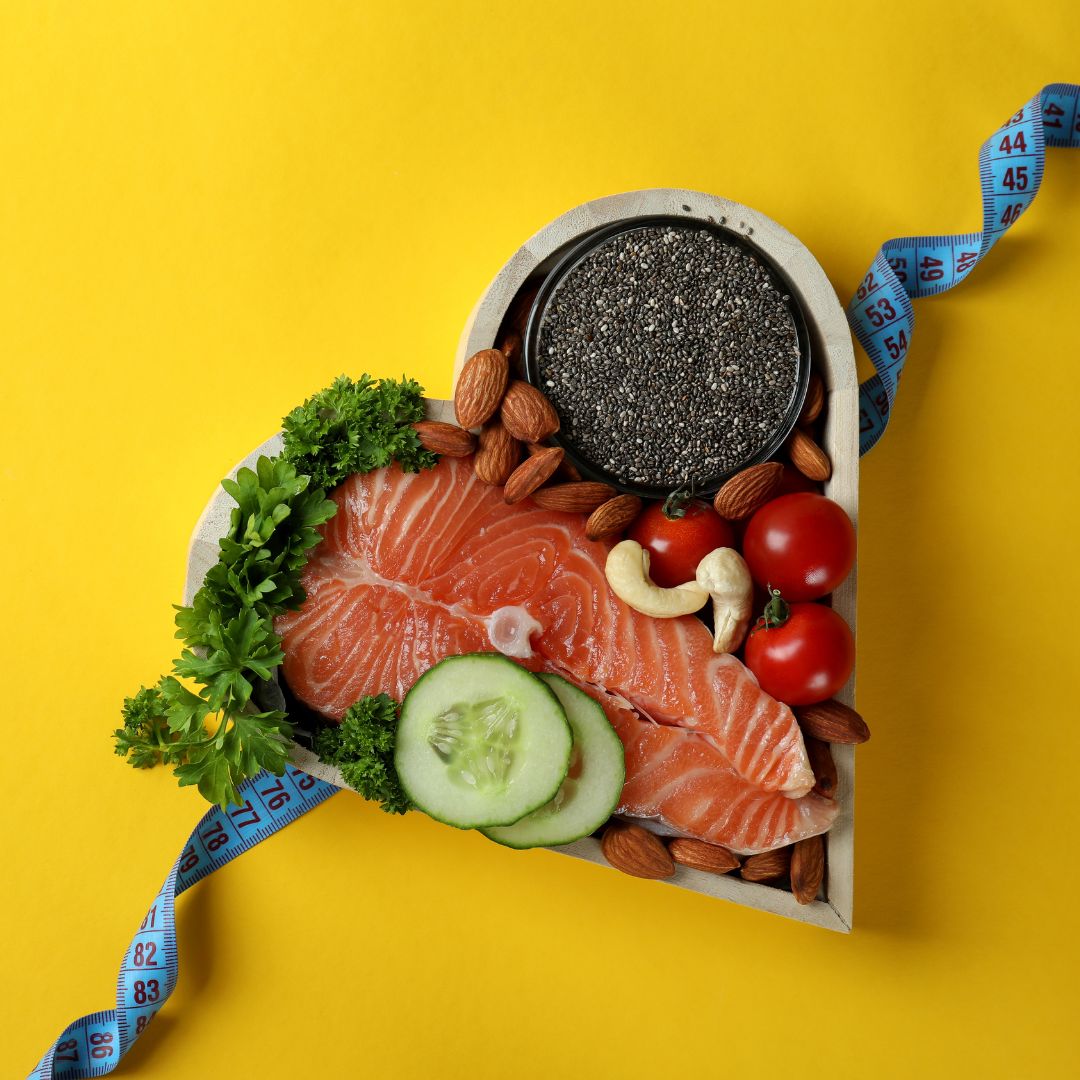
Confused by Cholesterol? Here’s What Really Matters
If you’ve ever been told your cholesterol is “a bit high”, you are not alone. Many of my clients leave the GP surgery with a print-out of numbers and very little explanation of what they actually mean, or what is worth focusing on first. This can be quite worrying, particularly if you have a family history of heart disease.
This blog will walk you through the basics in a practical way. We will take a look at what cholesterol actually is, how to interpret the key markers on a standard lipid panel (cholesterol report), and look at why two additional tests, lipoprotein(a) (Lp(a)) and apolipoprotein B (ApoB), can add some important context. And then we’ll look beyond cholesterol, because heart health is about far more than just a single number.
Cholesterol: friend, not foe
Cholesterol is a waxy, fat-like substance that your body uses to build cell membranes, make vitamin D, and produce hormones and bile acids. It is super important for your wellbeing! Your liver makes most of the cholesterol you need, and you also get a small amount from food.
Cholesterol only becomes a problem when cholesterol-containing particles build up in artery walls over time, contributing to atherosclerosis (narrowing and hardening of the arteries). This process is influenced by many things - including blood pressure, blood sugar balance, inflammation, smoking, genetics, menopause, stress, sleep and how much exercise you do.
What is a lipid profile actually measuring?
A standard lipid profile usually includes:
Total cholesterol
This is the overall amount of cholesterol in your blood. It is a broad measure and does not tell you how cholesterol is being carried.
LDL cholesterol (often called “bad cholesterol”)
LDL stands for low-density lipoprotein. LDL particles carry cholesterol from the liver out to tissues. When LDL particles are present in higher numbers, or are circulating for longer, the risk of cholesterol being deposited in artery walls may be increased.
HDL cholesterol (often called “good cholesterol”)
HDL stands for high-density lipoprotein. HDL particles are involved in reverse cholesterol transport, moving cholesterol away from tissues back towards the liver – they are like the rubbish truck coming and taking away the waste. HDL is not a simple “the higher the better” marker, but in general, low HDL can be a sign of metabolic risk.
Triglycerides
Triglycerides are a type of fat used for energy storage. They often rise with insulin resistance (when blood sugar isn’t under control), excess alcohol intake, high intakes of ultra-processed foods, and low activity levels. They can also rise if the blood test is taken soon after eating, which is why your GP may request a fasting test.
Non-HDL cholesterol
This is not always reported, but it is easy to calculate: total cholesterol minus HDL cholesterol. It represents the cholesterol carried by all potentially atherogenic particles (not just LDL), ie the particles that are linked to potential heart disease. In UK practice, non-HDL cholesterol is often used in risk assessment and monitoring.
Why “LDL cholesterol” is not the whole story
LDL cholesterol tells you how much cholesterol is being carried inside LDL particles. But it does not tell you how many particles are carrying it.
This matters because atherosclerosis is driven by the number of atherogenic particles entering the artery wall. Two people can have the same LDL cholesterol but a very different number of LDL particles. This is one reason why measuring something called ApoB can actually be more helpful in ascertaining your risk of heart disease.
ApoB: the marker many people have never heard of
Apolipoprotein B (ApoB) is a protein found on the surface of atherogenic lipoproteins (including LDL, VLDL and remnants), ie the cholesterol carriers that may lead to heart disease. Each particle carries one ApoB, so ApoB is effectively a count of the number of “risk-carrying” particles.
Recent expert discussions and guideline conversations increasingly highlight ApoB as a strong predictor of cardiovascular risk, particularly when LDL cholesterol alone may underestimate risk (for example, in insulin resistance or higher triglycerides).
When might ApoB testing be useful?
ApoB is not essential for everyone, but it is worth discussing with your GP (or clinician) if any of these apply:
This is something you can request from your GP, or there are many private labs that offer this measurement. If this is something that you’d like to look at, please do get in touch as this is something that I can potentially help with.
Lp(a): a genetic risk factor worth knowing about
Lipoprotein(a), written as Lp(a), is an LDL-like particle with an additional protein attached (apolipoprotein(a)). Lp(a) is largely genetic and remains fairly stable across your lifetime.
However, elevated Lp(a) is now recognised as an independent risk factor for cardiovascular disease. It can contribute to risk even when other cholesterol markers look “fine”. European guidance and consensus documents support measuring Lp(a), often at least once in adulthood, to identify inherited elevation and refine risk assessment.
Research shows that high Lp(a) increases heart disease risk by acting like "sticky" LDL cholesterol, promoting plaque buildup (atherosclerosis) and blood clots in arteries, potentially leading to heart attacks and strokes, even with normal cholesterol. This is because its unique protein (Apo(a)) hinders plaque breakdown and encourages clot formation. This genetic factor causes more aggressive plaque, calcification, and inflammation, independently raising cardiovascular danger, especially with other risk factors present.
Levels are largely determined by genetics (inherited from your parents), explaining why some people develop severe heart disease early without typical risk factors. It's often overlooked in routine checks but is a major contributor to premature cardiovascular disease, according to UK experts like the British Cardiovascular Society. Your level of Lp(a) is believed to be the same from the age of 5 onwards and can’t be massively changed by diet and lifestyle. That’s why it’s worth getting it checked at least once in your lifetime to help determine your risk.
A note on numbers and units
Lp(a) can be reported in mg/dL or nmol/L. You cannot reliably convert between the two because the particles vary in size between individuals.
A commonly used threshold for increased risk is around 50 mg/dL or 125 nmol/L, but your full clinical picture matters too.
Can you lower Lp(a) with diet?
Because Lp(a) is genetic, lifestyle changes tend not to shift the number very much. The focus is usually on lowering overall risk by improving other modifiable factors (LDL cholesterol, blood pressure, blood sugar, inflammation, smoking status, fitness, sleep).
Specialist medications specifically targeting Lp(a) are under investigation, but lifestyle still matters because it reduces the total risk burden.
How can you test ApoB and Lp(a) in the UK?
Both tests are simple blood tests. They are not always included in routine NHS lipid panels, so you may need to request them.
A practical approach is:
If you have a known high Lp(a), it is also worth telling close relatives, as this can run strongly in families and testing can be helpful for them too.
Cholesterol is one piece of heart health. Blood pressure is another
High blood pressure increases strain on artery walls and is a major driver of cardiovascular risk. Nutrition and lifestyle changes can make a meaningful difference. A large meta-analysis of randomised trials found the DASH dietary pattern reduces blood pressure in adults with and without hypertension.
Separately, a dose response meta-analysis of clinical trials shows that reducing sodium intake lowers blood pressure, with stronger effects in those with higher starting blood pressure.
As we age, keeping an eye on your blood pressure can be very useful. Blood pressure increases with age largely because arteries naturally become stiffer, thicker, and less flexible due to biological aging and wear-and-tear, forcing the heart to work harder to pump blood through them. This stiffening, known as arteriosclerosis, means blood vessels can't expand as well as they once did, leading to higher pressure against artery walls, even with healthy habits. Other contributing factors include lifestyle changes, genetics, and other medical conditions, but the vascular stiffening is the main physiological driver. Using a home blood pressure kit can be helpful but make sure to test your blood pressure three times in a row – taking an average of the three – and try to take it at the same time of day each time. Take these results to your GP to discuss.
What actually helps in real life? Evidence-based priorities
Cardiovascular disease affects more than 7 million people in the UK alone, causing about a quarter of all deaths and 1 in 4 premature deaths. So, it’s super important to keep an eye on our heart health! There are number of changes that we can make to our diet and lifestyle to help improve our odds. If you are trying to support cholesterol, blood pressure and overall cardiovascular risk, these are the foundations I prioritise with my clients.
A Mediterranean-style dietary pattern has consistently been associated with improved cardiovascular outcomes across multiple high-quality reviews.
In practice, this looks like:
Plenty of vegetables, beans and lentils, fruit, extra virgin olive oil, nuts and seeds, wholegrains where tolerated, and regular fish, alongside much less ultra-processed food.
The strongest nutrition evidence is not about “low fat” diets. It is about the type of fat.
When we talk about fats and heart health, the conversation often becomes overly simplistic. Saturated fat is frequently grouped together as something to avoid, but the evidence does not support treating all saturated fats as equal.
Whole-food fats such as butter, ghee and coconut oil have been part of traditional diets for generations and are chemically stable, particularly at higher cooking temperatures. In contrast, the strongest evidence of harm relates to industrial trans fats and highly processed sources of saturated fat, such as those found in commercially baked goods, pastries, deep-fried foods and processed meats.
Ultra-Processed Foods: The Hidden Driver of Weight Gain and Low Energy Have you ever felt that certain foods actually make you hungrier, less energised, or more prone to snacking? You are not imagining it! The modern food environment is dominated by ultra-processed foods - or UPFs - and they’re quietly influencing how we eat, how full we feel, and how our metabolism functions. Recent public attention, including Dr Chris van Tulleken’s book Ultra-Processed People and BBC documentary work, has helped reveal what some scientists have known for years: diets high in UPFs are strongly linked to weight gain, poor blood sugar control, and rising rates of metabolic disease. What Counts as Ultra-Processed? The term ultra-processed food comes from the NOVA classification, a system developed by Brazilian researchers to categorise foods based on how much they’ve been changed from their original form. UPFs typically include products made mostly or entirely from industrial ingredients, such as refined starches, oils, sweeteners, flavour enhancers and emulsifiers, with little or no recognisable whole food remaining. Examples include: They’re designed to be convenient, tasty and affordable, but they’re also engineered to keep us coming back for more! How UPFs Affect Blood Sugar and Cravings UPFs are often rapidly digested and low in fibre, which causes quick spikes in blood sugar and insulin. These sharp rises are usually followed by a sudden drop, leaving you tired, hungry and craving something sweet or starchy again a few hours later. In a landmark study at the U.S. National Institutes of Health, participants who ate an ultra-processed diet for two weeks consumed around 500 extra calories per day compared to those on a minimally processed diet, despite being offered the same foods in terms of calories, salt and macronutrients. They didn’t mean to overeat; the texture, speed of eating, and reduced satiety simply made it happen. As van Tulleken points out, many UPFs are “food-like products” that activate the brain’s reward centres more powerfully than traditional foods. This makes moderation difficult, especially when you’re busy, tired or stressed. The Link Between UPFs and Weight Gain While no single food causes weight gain on its own, diets dominated by ultra-processed foods are strongly associated with higher body weight, insulin resistance, and metabolic syndrome. The combination of high energy density, poor nutrient quality, and altered appetite signalling creates a perfect storm for metabolic stress. Long-term studies have linked high UPF intake with an increased risk of type 2 diabetes, heart disease, depression and even premature death. These effects aren’t just about calories, they relate to how UPFs disrupt hormones such as insulin, ghrelin and leptin, which control appetite and fullness. Why UPFs Are Hard to Avoid Around 60% of the average UK diet now comes from UPFs, making avoidance almost impossible. They’re absolutely everywhere - in workplaces, cafés, and supermarkets - marketed as “healthy” or “low-fat”, but often loaded with artificial sweeteners, additives, emulsifiers, or refined grains. For many clients I see, this leads to confusion and frustration: “I’m eating low-fat yoghurt and wholegrain cereal, so why do I still feel tired and hungry all the time?” The answer often lies in food quality and processing level, not the calorie content. Simple, Sustainable Food Swaps Completely cutting out UPFs isn’t realistic for most people and it doesn’t have to be. The aim is to shift the balance towards more whole, minimally processed foods that keep blood sugar stable and support energy and mood. A few easy swaps: These small changes add up quickly, improving satiety and naturally reducing cravings, without the need for restriction or “detoxing”. If you’re curious about how to reduce UPFs in your diet, but worried about the cost, check out my blog, Eat Well, Spend Less for more info. For practical meal inspiration, visit the recipe section of the blog page for balanced, easy-to-prepare dishes that use real, nutrient-dense ingredients. Next Steps Reducing ultra-processed foods isn’t about perfection, it’s about awareness. Understanding how they affect your metabolism and mood allows you to make better choices, even in small steps. If you’d like ongoing support, recipe ideas and tips for sustainable eating, join my free, private Facebook group where I share regular insights to help you build lasting habits for longterm health and wellbeing. Disclaimer: This blog is for general educational purposes only and is not a substitute for medical advice. Please consult your GP or healthcare provider before making changes to your diet, supplements or medication.

Spotlight on hayfever
Itchy, watery eyes? Constantly sneezing? Hello hayfever! Now I really know it’s spring and you’re here to stay – like an uninvited guest – for the next six months. But while Mother Nature can be cruel, she is also kind. It might surprise you to know that changing what you eat can have a big impact on the severity of your symptoms.
According to Allergy UK, as many as 30% of adults and 40% of children suffer from allergic rhinitis (the medical term for the condition), an allergic reaction to pollen. You might start noticing symptoms in March when the tree pollen season starts. Then there’s the grass pollen season, followed by the weed pollen season, which can go on into September.
If this is you, I sympathise: itchy, red or watery eyes; runny or blocked nose; sneezing and coughing; itchy throat, mouth, nose and ears; loss of smell; earache; headache; and feeling exhausted.
There are some foods will make the symptoms of hayfever worse, so try to cut these out or reduce them as much as you can during hayfever season. Other foods are naturally anti-inflammatory, so you’ll want to ensure you’re getting plenty of these in your diet.
Foods containing high levels of histamine can intensify symptoms. These include chocolate (sorry about that), tomatoes, aubergines and many fermented foods like vinegar, sauerkraut, yoghurt, miso, soy sauce, and canned fish.
There are also foods that, while they are not high in histamine themselves, are ‘histamine liberators’ and can trigger your cells to release histamine. These include strawberries, pineapple, bananas, citrus fruits and egg whites.
Foods containing wheat – like bread and pasta, cakes and pastries – can also be problematic for people with grass pollen allergies.
Dairy products like milk and cheese stimulate the body to produce more mucus, making blocked noses or ears much worse. Matured cheeses also tend to contain high levels of histamine. And sugar, which causes your body to produce more histamine, can further exacerbate your symptoms.
Foods to add in or increase when you have hayfever
Some foods are anti-histamine foods and disrupt or block histamine receptors, helping to reduce allergy symptoms. These include foods that contain the plant chemicals quercetin and beta carotene, and those high in vitamin C (see below).
Local honey also may be helpful because, although it contains trace elements of pollen, over time it may help your body become more familiar with the pollen entering your system and reduce the inflammatory response it makes.
Quercetin containing foods
Onions, garlic, goji berries, asparagus, all berry fruits, apples, kale, okra, peppers, plums and red grapes.
Beta carotene containing foods
Sweet potato, carrots, butternut squash, red and yellow peppers, apricots, peas, broccoli, dark leafy greens like kale, and romaine lettuce.
Vitamin C containing foods
Blackcurrants, blueberries, peppers, kale, collard leaves, broccoli, kiwis, mango, courgettes, and cauliflower.
What to drink
Drink plenty of water. Keeping well hydrated is helpful for all aspects of health. In the case of hayfever, it thins the mucous membranes and reduces that ‘blocked up’ feeling.
Green tea is packed full of antioxidants, which are helpful for the immune system generally. It has also been proven to block one of the receptors involved in immune responses.
Ginger tea has been shown to help reduce allergic reactions by lowering your body’s IgE levels (the antibody involved in the specific immune reaction associated with hayfever).
Peppermint tea is worth trying because peppermint contains menthol, a natural decongestant that may help improve sinus symptoms.
Add nettle tea to your shopping list for its ability to relieve inflammation of the upper respiratory tract and ease nasal congestion, sneezing and itching.
An anti-inflammatory approach
Hayfever is an inflammatory condition and may be further helped by including other types of food that calm the inflammatory response. Top of the list are foods containing anti-inflammatory omega 3 fatty acids, which I often recommend to clients struggling with any inflammatory condition. These include all types of oily fish (like salmon, trout, sardines, halibut and cod) as well as flaxseed and walnuts.
Coconut oil is another anti-inflammatory oil and can be used in cooking and baking or added to smoothies.
As well as adding flavour to your food, herbs like parsley, sage, thyme, oregano and basil have anti-inflammatory properties as do many spices, including turmeric, ginger, cardamom, cinnamon, clove, fennel and nutmeg.
And if you’d like to find out more, I offer a range of testing options at my clinic if this is something you would like to explore. Why not book a call?

Your daily habits could be wrecking your mental health - here’s how to fix them
The way you start and structure your day plays a huge role in your mental wellbeing. Small, seemingly harmless habits - like checking your phone first thing or skipping breakfast - can set off a chain reaction that affects your mood, energy, and stress levels.
The good news is that you don’t need to overhaul your entire life to see improvements. Simple, strategic tweaks can have a big impact, helping you feel calmer, more in control, and more resilient to daily stress.
The stress loop - how modern life is making you more anxious
For many people, stress feels like a normal part of life. But modern habits are keeping stress levels high, even when there’s no immediate reason to feel anxious.
Cortisol, the body’s main stress hormone, follows a daily rhythm, naturally rising in the morning and tapering off at night. But common lifestyle choices - poor sleep, irregular eating, excessive screen time - disrupt this rhythm, leading to chronic stress and low resilience.
Erratic blood sugar levels can also play a role. When meals are skipped or loaded with refined carbs, blood sugar spikes and crashes, triggering cortisol release and creating a cycle of energy dips, cravings, and mood swings.
Breaking free from this loop means taking a closer look at your own daily habits and making small but powerful adjustments.
How your morning routine could be ruining your mood
Morning habits set the tone for the entire day. Some of the most common ones can actually increase stress levels, making it harder to stay focused, productive, and emotionally balanced.
Making simple changes to the morning routine can help stabilise energy, improve focus, and set the stage for a calmer, more productive day.
5 daily habits that will boost your brain and lift your mood
Small changes, big impact
Improving mental wellbeing doesn’t require a complete lifestyle overhaul. Focusing on small, sustainable habit shifts, such as getting more natural light, stabilising blood sugar, and setting healthy boundaries with screens, can make a noticeable difference in how you feel.
Trying just one of these habits for a week can be enough to see positive changes. The key is consistency over perfection. Making small but intentional choices each day can help break the stress cycle, improve resilience, and support long-term mental wellbeing.
So where will you start? What jumps out at you?
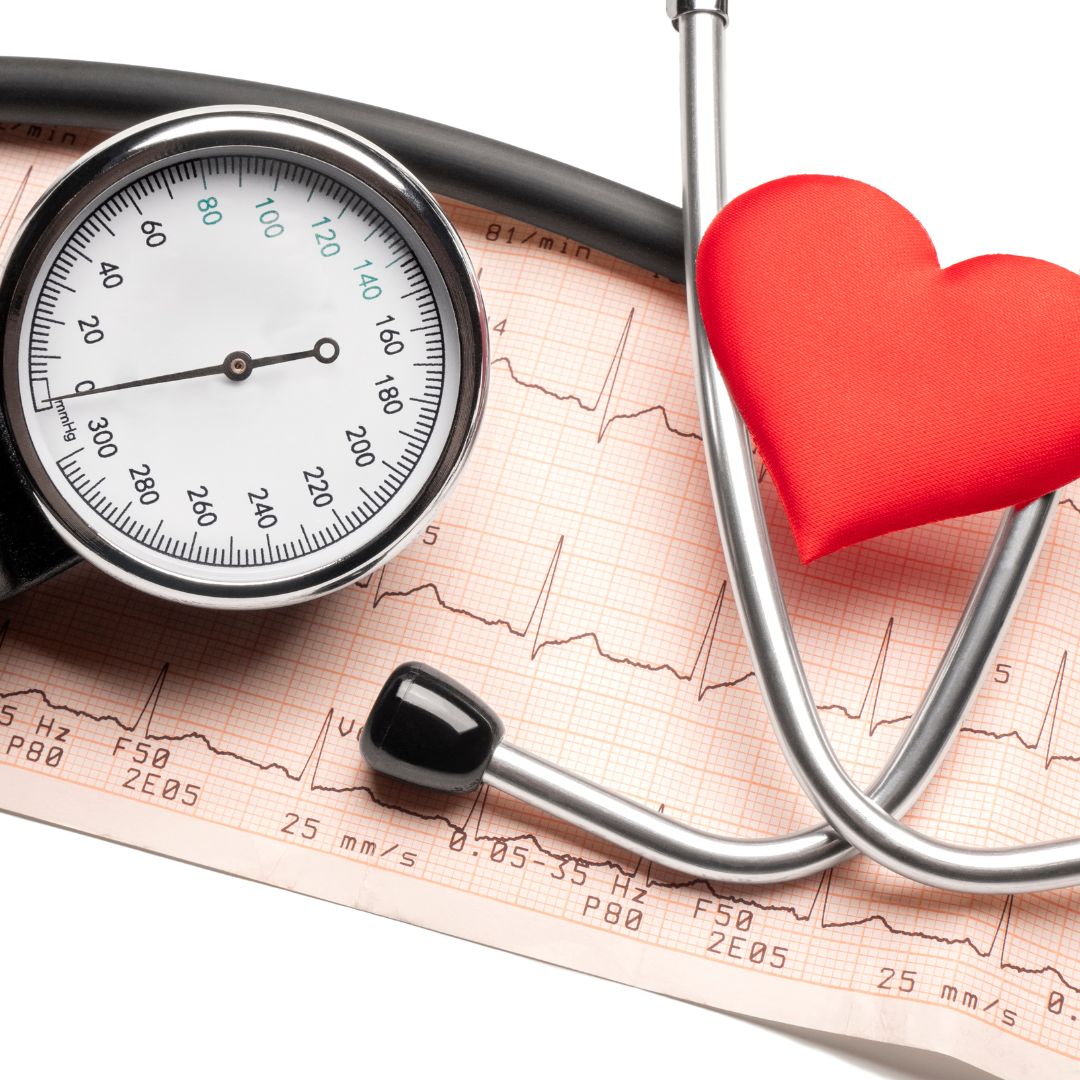
How’s your blood pressure?
Is your blood pressure under 120/80mmHg? If you don’t know your numbers, here’s why it really matters.
When you know your numbers, you are then able to take steps to get yours back in control if you need to.
What is blood pressure?
Blood pressure is the force, or pressure, that blood exerts on the walls of the blood vessels. This pressure ensures a steady flow of blood into, and out of, all the organs of the body.
Keeping blood pressure within normal limits is vital.
If it is too high (hypertension), blood vessels can be damaged, causing clots, and rupture, resulting in a heart attack or stroke. If it is too low (hypotension), blood flow to the tissues may be inadequate, which is potentially very dangerous – especially if this were to affect the brain, kidneys or heart.
How do I know I have blood pressure problems?
High or low blood pressure does not always cause symptoms.
Pubescent girls, young, slim women, pregnant women and gaunt, older people are most frequently affected by low blood pressure. It can be a result of dehydration, which is particularly common in older people.
If you experience symptoms of low blood pressure (see below), and they occur frequently or very suddenly, you should get the cause clarified by your doctor.
High blood pressure or hypertension, which is more common than low blood pressure, not only affects older people. Young adults and even children can also suffer from it. What is particularly worrying is that many people affected do not know they are ill.
What causes high blood pressure?
There are many causes of hypertension. In most cases, an unhealthy diet and lifestyle are major contributory factors.
The risk of developing high blood pressure increases with age. Over the years, the blood vessels lose their elasticity and become stiffer. Often, only the upper blood pressure value (systolic pressure) is elevated in older people - this is also considered high blood pressure, which is usually treated with medication.
These days, more and more children also develop high blood pressure. In children, the main causes are being overweight and too little exercise. Maintaining a normal weight and doing daily physical activity are the best ways to protect children from high blood pressure and its consequences.
In adulthood, it affects men more often than women. About one in five men between the ages of 40 and 49 has high blood pressure. From the age of 60 onwards, women catch up. This is usually caused by the menopause, when levels of the hormone that lowers blood pressure, oestrogen, begin to fall. Women can also develop high blood pressure during pregnancy or by taking the contraceptive pill.
In rare cases, high blood pressure is the result of another disease. This is usually a kidney disease, hormone disorder or vascular disease. If this other condition can be treated successfully, blood pressure usually returns to normal.
What are the symptoms of low blood pressure?
What are the symptoms of high blood pressure?
Most people show hardly any clear symptoms of high blood pressure, so it often goes unnoticed for a long time. That’s why it’s often referred to as a ‘silent disease’. It is, therefore, important to take possible signs of high blood pressure seriously and see a doctor as soon as possible:
How can a nutrition practitioner help?
The most common underlying reason for blood pressure problems are poor diet and lifestyle choices. Even small changes to your habits and what you eat can make a big difference in a relatively short period of time.
I will ask questions about your overall health and health history, diet, lifestyle and exercise habits. I will look at your food diary to see where there may be room for improvement. I will then develop a customised diet, supplement and lifestyle plan for you. Are you interested to know more? Why not book in a free call.

Prostate Care You Can’t Ignore
When you think about long-term health, prostate care often doesn’t come to mind until there’s an issue. Yet, the prostate plays a crucial role in men’s overall health and wellbeing so making sure it’s on your radar will be key to your (or your partner’s) long term health and happiness.
If you’ve even considered your prostate before, here’s what you need to know:
Common symptoms of BHP
Testing for BHP
You might have several different tests; some can be done at your doctor’s (like a blood test or a urine test). Others might need to be done at a hospital.
It’s likely your doctor will want to rule out some more serious conditions like prostate cancer.
The blood test is called the prostate-specific antigen (PSA) blood test. PSA is a protein made in the prostate and levels rise with the prostate gets enlarged - although levels can be affected by some illnesses or recent procedures/ surgery.
Dietary strategies for supporting prostate health
1. Balance your blood sugar levels
Eating the right balance of proteins, fibre and starches along with healthy fats has benefits for all aspects of your health. Every meal should contain a source of protein.
Choose wholegrain versions of foods like pasta, rice and bread to prevent blood sugars spiking, and fill your plate with veggies.
2. Eat more fruit and veg
A diet rich in plant-based foods provides essential vitamins, minerals, and antioxidants that protect the prostate.
Foods like tomatoes (rich in lycopene), broccoli, and green tea have all been linked to better prostate health. These nutrients help fight inflammation and reduce oxidative stress, which can contribute to prostate problems.
3. Don’t skimp on healthy fats
Not all fats are created equal and one type you’ll definitely want on the menu. Omega-3 fatty acids, found in fatty fish, like salmon and mackerel, plus walnuts and flax and chia seeds, help reduce inflammation and may lower the risk of prostate diseases.
At the same time, if you can cut back on saturated fats and processed foods, which promote inflammation, you can consider this a double win.
4. Eat foods that contain zinc
Like sesame and pumpkin seeds are naturally high in zinc, an important mineral that can be lacking in mean with prostate problems compared to those who don’t.
5. Limit alcohol and caffeine
Too much alcohol and caffeine can irritate the bladder and prostate, especially for men who are already dealing with urinary issues.
Moderation - or avoidance - is key to preventing these problems from worsening.
Lifestyle aspects
Keep an eye on your weight
Excess weight, especially around the midsection, can increase the risk of prostate problems - as well as a host of other midlife problems.
A balanced diet (like the Mediterranean-style diet described above and regular exercise will help you maintain a healthy weight and support prostate health.
Making movement matter
Regular exercise not only helps maintain a healthy weight, but it also supports prostate health.
Physical activity improves circulation and can reduce the risk of developing prostate problems. Aim for at least 150 minutes of moderate exercise per week.
Get regular check-ups
Even if you feel prostate issues aren’t a thing, do put it on your radar and be mindful of some of the symptoms. Early detection is crucial.
Make sure to schedule regular prostate screenings, especially if you’re over 50 or have a family history of prostate issues. Talking to your GP about any concerns will help catch any issues early on.
The food and lifestyle recommendations are great at any stage of life, not least midlife, so taking these on board regardless will stand you in good stead for the coming decades.
Uncomfortable truth: prostate problems are very common, and prostate cancer is on the up
Source: Prostate Cancer UK
Do you know that I also work with male clients? If you’re interested in a health check, why not get in touch. I offer free 30-minute health reviews and you can book in here.

Please get in touch and find out more - I offer a free 30-minute exploratory call.


.png)










Copyright 2026 all rights reserved
Privacy Policy | Cookie Policy
Website by Phuse Media - Web Design Leigh on Sea
Photography by Petra Blacklock Photography

Please feel free to be in touch with our sister clinic which specialises in PCOS
Alex Allan Nutrition is part of the Green Leaf Company (London) Ltd, a limited company registered in England and Wales. Registered number: 10990293
Disclaimer: ‘Please note that nutritional therapy is not medical advice - this should always be sought from your doctor or other medical provider. I aim to work alongside your doctor or GP to provide nutritional and lifestyle advice to support any underlying imbalances.'
