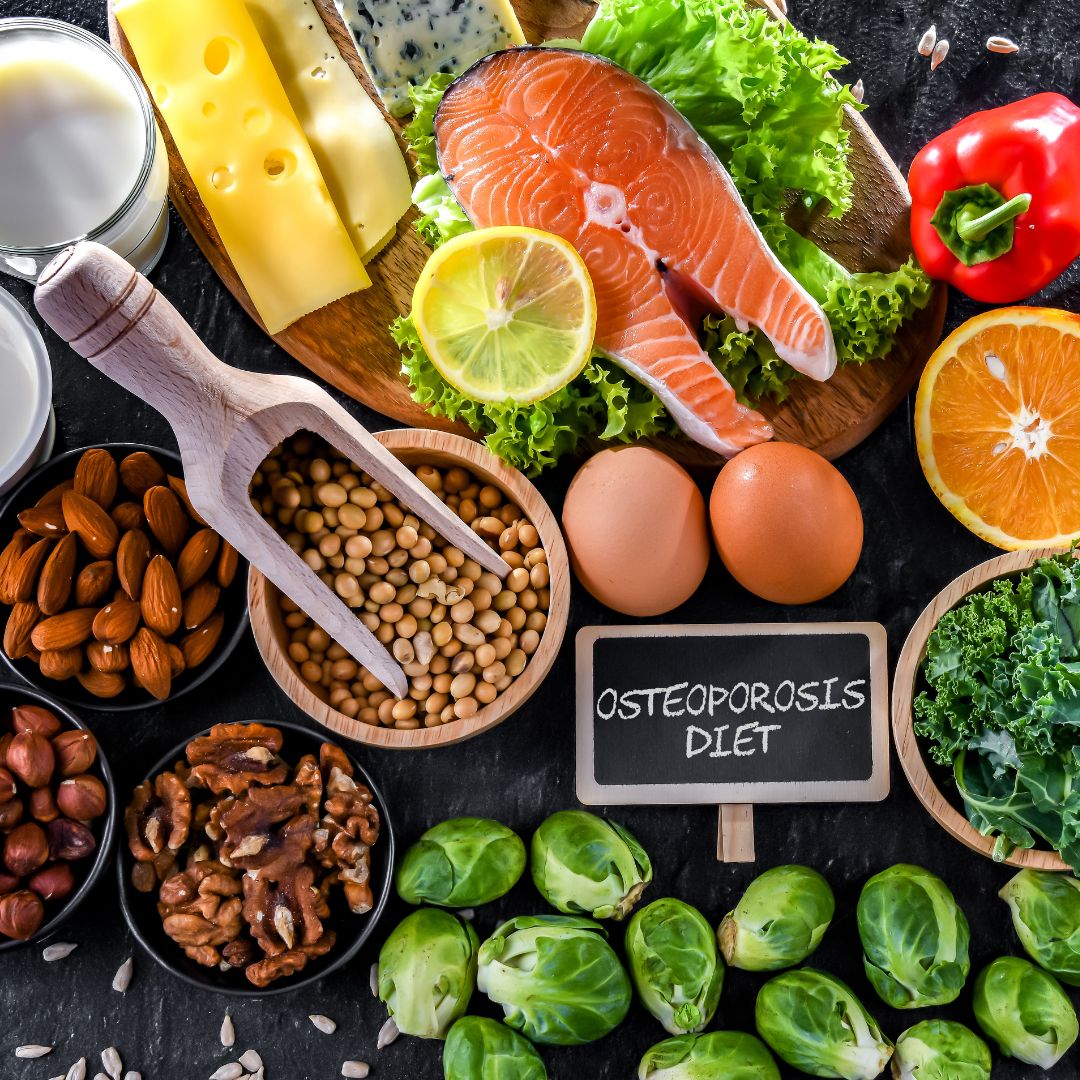
Eating for Stronger Bones
Many people start thinking about bone health when they reach midlife. Maybe a parent has been diagnosed with osteoporosis, or maybe joint stiffness and aches are becoming a bit more noticeable. This can often lead to questions about diet, calcium intake and whether supplements might be necessary – but it can be confusing.
What many of us don’t realise is that bone health is influenced by the choices we make over many years. Bones are living tissue that constantly renew themselves, so therefore the nutrients we eat, the way we move our bodies, and our overall lifestyle all influence how strong our bones remain as we age.
While bone density naturally changes over time, research shows that diet and lifestyle can really help support bone strength and reduce the risk of fractures. Supporting bone health is therefore not just something to think about later in life. It is something that can be supported at every age.
How Bone Health Changes Over Time
Our bones are continually being broken down and rebuilt through a process called bone remodelling. During childhood and adolescence this process works in our favour, as bone formation happens faster than bone breakdown. This allows us to build strong bones and reach peak bone mass, usually by our late twenties.
After this point, the balance gradually begins to shift. Bone breakdown slowly starts to exceed bone formation, meaning bone density gradually declines with age.
For women, this change can become more pronounced after menopause. Oestrogen helps maintain bone density, and when levels fall during menopause the rate of bone loss can increase. This is one reason why women are more likely to develop osteoporosis later in life.
However, bone health is not determined by hormones alone - nutrition, physical activity and lifestyle habits all influence it. Studies consistently show that dietary patterns rich in essential nutrients can support bone strength and help reduce the risk of fractures as we age.
Nutrients That Support Bone Strength
When people think about nutrition for osteoporosis prevention, calcium is usually the first nutrient that springs to mind. Calcium is indeed a key component of bone structure, but healthy bones rely on a range of nutrients working together.
Rather than focusing on a single nutrient, it is more helpful to think about overall dietary patterns that support bone health.
Calcium, Vitamin D, Protein and More
Calcium contributes to the maintenance of normal bones and is an important part of osteoporosis prevention nutrition. Adults in the UK generally need around 700 mg of calcium per day.
Calcium can be found in a variety of foods including:
Vitamin D is another essential nutrient because it helps the body absorb calcium effectively. In the UK, sunlight is the main source during spring and summer months. During autumn and winter, dietary sources such as oily fish and eggs become more important, and public health guidance recommends vitamin D supplementation for many adults.
Protein also plays a huge role in maintaining bone structure, as bones contain a protein framework that gives them flexibility and strength. Adequate protein intake supports both bone and muscle health, which is important for maintaining balance and reducing the risk of falls. Research shows that improving both protein and calcium intake in older adults can help reduce the risk of falls and fractures, particularly where dietary intake has previously been low.
Other nutrients that support bone health include magnesium, vitamin K and zinc. These nutrients are found in whole foods such as nuts, seeds, legumes, vegetables and whole grains. Increasing vegetable intake may also benefit musculoskeletal health. Green leafy vegetables are a great source of vitamin K and other plant compounds that may support both bone metabolism and muscle function.
A varied, balanced diet is one of the most effective strategies for supporting bone health.
Common Bone Health Myths
There are several common misconceptions about osteoporosis prevention nutrition.
One myth is that dairy products are the only way to obtain enough calcium. While dairy foods are a convenient source, as we saw above, calcium can also be obtained from plant foods, fortified products, nuts and seeds.
Another misconception is that bone health only becomes important later in life. In reality, the foundations for strong bones are actually laid early in life and maintained through adulthood.
Finally, it is a myth that supplements alone can prevent osteoporosis. While supplements may be useful in some situations, they are not a substitute for a balanced diet and healthy lifestyle.
Nutrition also works alongside other important factors including regular weight-bearing exercise, strength training, maintaining a healthy body weight and avoiding smoking.
A Whole Diet Approach to Osteoporosis Prevention Nutrition
When thinking about osteoporosis prevention nutrition, it can be helpful to focus on dietary patterns rather than individual nutrients. Eating a wide range of whole foods provides the combination of vitamins, minerals and protein needed to support bone metabolism.
Simple habits that support bone health include:
These are great habits to support overall health whilst also supporting our bone health.
Frequently Asked Questions About Bone Health Nutrition
Do I need dairy for strong bones?
Not necessarily. Dairy foods can be a convenient source of calcium, but calcium is also available in plant foods such as tofu, fortified plant milks, nuts and leafy greens.
Is it too late to support bone health after menopause?
No. While bone density naturally declines with age, nutrition, exercise and lifestyle changes can still help support bone strength and reduce fracture risk.
Should everyone take calcium supplements?
Not always. Many people can obtain sufficient calcium from food. Supplements may be appropriate in some cases, but this should be discussed with a qualified health professional.
Looking after your bones is a long-term investment in health. Supporting bone strength through balanced nutrition, regular movement and healthy lifestyle habits can help protect bone health throughout life. If you’d like to know more about how nutrition can support bone health, or you’ve had a diagnosis of osteoporosis or osteopenia, why not get in touch? You can book a free call here.

Top Tips for Everyday Anti Inflammatory Swaps
When people hear the term “anti-inflammatory diet”, it often sounds overwhelming. Many imagine long lists of foods to avoid, complicated rules, or yet another short-lived reset that does not fit real life.
In practice, the strongest evidence does not support perfection or extreme restriction. Instead, it shows that small, consistent dietary shifts can meaningfully influence inflammatory pathways, particularly when they are sustained over time - and this is what I use in clinic every day.
This blog focuses on everyday food swaps that are realistic, flexible and evidence-based, especially for those of us looking to support heart health alongside inflammation balance.
Why small swaps matter more than perfection
Chronic inflammation develops gradually and is influenced by cumulative exposures rather than single meals. Research consistently shows that overall dietary patterns, not individual “superfoods”, are what shape long-term cardiovascular and inflammatory risk.
From a physiological perspective, small swaps work because they gently shift the balance of fats, fibre, antioxidants and micronutrients that influence immune signalling, gut health, blood sugar stability and vascular function. Over weeks and months, these changes add up.
Importantly, restrictive approaches often backfire. Highly rigid diets increase stress, reduce dietary variety and are difficult to maintain. Stress itself is inflammatory, and overly restrictive eating can paradoxically undermine the very outcomes people are trying to achieve.
The goal is not to eat perfectly, but to tilt the balance in a more anti-inflammatory direction most of the time.
Easy anti-inflammatory changes for everyday meals
Rather than thinking in terms of foods to cut out, it is more helpful to think about what you can swap in.
Swap the main cooking fat most days
One of the most evidence-supported changes is replacing saturated fats with unsaturated fats.
Regular use of inflammatory seed oils, such as vegetable oil or processed sunflower oil may contribute to increased inflammation. Replacing these with extra virgin olive oil has been shown to reduce inflammatory markers and support endothelial function.
Swap refined carbohydrates for fibre-rich options
Refined carbohydrates such as white bread, white rice and many breakfast cereals digest quickly and can contribute to blood sugar fluctuations. These fluctuations are associated with increased inflammatory signalling and higher triglyceride levels.
Swapping to wholegrains where tolerated, or adding fibre-rich foods alongside refined options, helps slow glucose absorption and supports gut-derived anti-inflammatory compounds. Even modest increases in fibre intake have been associated with lower C-reactive protein levels in large cohort studies.
This might look like adding lentils to a pasta dish, choosing nuts and seeds more often at breakfast, or including veggies at meals where they were previously absent.
Swap processed snacks for combinations that stabilise blood sugar
Ultra-processed snacks often combine refined carbohydrates, industrial fats and added sugars. These combinations are strongly associated with higher inflammatory markers and poorer cardiometabolic outcomes.
A useful rule of thumb is to build snacks, when needed, around protein, fibre and healthy fats together. This supports blood sugar stability, which in turn reduces inflammatory stress on the body.
This does not require eliminating convenience foods entirely. It is about shifting the balance so that nutrient-dense options appear more often across the week.
Swap some red and processed meat for plant and fish proteins
High intakes of processed meat are associated with increased cardiovascular risk and higher inflammation. Evidence suggests that replacing some of these foods with plant proteins or fish is associated with lower inflammatory markers and improved heart health outcomes.
Fish provides omega-3 fatty acids, which have modest anti-inflammatory effects and support vascular health. Plant proteins such as beans and lentils also contribute fibre and polyphenols that positively influence the gut–immune axis.
This does not require becoming vegetarian. Even one or two swaps per week can contribute to a lower inflammatory load.
Swap flavourings before cutting salt entirely
Salt reduction can support blood pressure, but food does not need to become bland.
Herbs, spices, garlic, onions and citrus provide flavour while also contributing antioxidant and anti-inflammatory compounds. Diets rich in polyphenols from plant foods are consistently associated with lower inflammation and reduced cardiovascular risk.
Focusing on flavour first often makes it easier to reduce reliance on heavily processed, high-sodium foods without feeling deprived.
Making swaps sustainable
The most effective swaps are the ones you can repeat without thinking too much about them.
It can help to:
If your diet already feels quite good, these swaps are not about “doing more”. They are about fine-tuning in a way that supports inflammation balance alongside heart health.
If you would like more structured support, including practical ideas and recipes, why not join my free private Facebook group: Back to Health with Sarah and Alex – you’ll find heaps of anti-inflammatory recipes you can try.

Why Inflammation Matters for Heart Health
When we talk about heart disease, cholesterol often dominates the conversation. But over the last two decades, research has increasingly pointed to another important piece of the puzzle: chronic inflammation.
Inflammation is not inherently harmful. It is a vital part of the immune response. The issue arises when inflammation becomes long-term, low-grade and persistent. This type of chronic inflammation is now recognised as a key contributor to cardiovascular disease, acting alongside cholesterol, blood pressure, blood sugar balance and lifestyle factors.
In this blog, I will explain what chronic inflammation is, how it affects the heart and blood vessels, and what the current evidence shows us about diet and lifestyle changes that may help reduce cardiovascular risk.
What is chronic inflammation?
Inflammation is the body’s natural defence mechanism. When you cut your finger or catch an infection, inflammatory signals help recruit immune cells and promote healing. This short-term response is known as acute inflammation and is both necessary and protective.
Chronic inflammation is different. It refers to a persistent, low-level inflammatory state that can continue for months or years. It often develops quietly, without obvious symptoms, and is influenced by factors such as excess body fat, insulin resistance, smoking, poor sleep, chronic stress, physical inactivity, ultra-processed diets and some long-term health conditions.
In research settings, chronic inflammation is commonly assessed using blood markers such as C-reactive protein (CRP), particularly high-sensitivity CRP (hs-CRP). Elevated hs-CRP has been consistently associated with increased cardiovascular risk, even when cholesterol levels are not markedly raised.
How inflammation affects blood vessels and the heart
The cardiovascular system is lined with a delicate layer of cells called the endothelium. This lining helps regulate blood flow, blood pressure and clotting. Chronic inflammation disrupts normal endothelial function, making blood vessels less flexible and more prone to damage.
Inflammatory signals also play a direct role in the development of atherosclerosis. Rather than cholesterol simply building up passively in artery walls, we now understand that atherosclerosis is an inflammatory process. Cholesterol-containing particles that enter the artery wall trigger an immune response. Over time, this leads to the formation of plaques that can narrow arteries or become unstable and rupture.
Large genetic, observational and interventional studies over the last five years have strengthened the link between inflammation and cardiovascular events. Importantly, these associations persist even after adjusting for traditional risk factors such as LDL cholesterol.
Links with cholesterol and blood pressure
Unsurprisingly, inflammation and cholesterol are closely intertwined. Inflammation increases the likelihood that cholesterol-containing particles will penetrate and be retained in the artery wall. Plus, it impairs the body’s ability to clear these particles effectively. This may explain why some people experience cardiovascular events despite having LDL cholesterol levels that are not dramatically elevated.
Blood pressure is also affected by inflammatory processes. Chronic inflammation contributes to endothelial dysfunction and arterial stiffness, both of which increase vascular resistance and raise blood pressure over time. Elevated blood pressure, in turn, further damages the vessel wall, creating a reinforcing cycle.
This is why cardiovascular risk assessment increasingly focuses on the broader picture rather than a single number.
Nutritional strategies supported by research
Nutrition cannot remove cardiovascular risk entirely, and it should never be positioned as a replacement for medical care where that is needed. However, a growing body of peer-reviewed evidence shows that diet plays a meaningful role in modulating inflammatory pathways linked to heart disease.
Dietary patterns matter more than individual foods
Recent systematic reviews and meta-analyses consistently show that overall dietary patterns are more predictive of cardiovascular outcomes than individual nutrients in isolation.
Mediterranean-style dietary patterns are associated with lower inflammatory markers, reduced cardiovascular events and improved endothelial function. These benefits appear to be driven by a combination of factors including higher intakes of vegetables, fruit, legumes, wholegrains, nuts, seeds and olive oil, alongside regular fish intake and lower consumption of ultra-processed foods.
Importantly, these effects are observed even when weight loss is modest or absent, suggesting benefits beyond calorie reduction alone.
The role of fats in inflammation
The type of fat consumed influences inflammatory signalling. Replacing saturated fats with unsaturated fats, particularly monounsaturated and omega-3 fats, has been shown to reduce inflammatory markers and improve lipid profiles in controlled trials. Extra virgin olive oil, oily fish, nuts and seeds are key contributors within dietary patterns associated with lower cardiovascular risk.
Omega-3 fatty acids from oily fish appear to have modest anti-inflammatory effects, partly through the production of specialised pro-resolving mediators that help switch off inflammatory responses once they are no longer needed.
Fibre and the gut–inflammation link
Dietary fibre, particularly soluble and fermentable fibre, plays an important role in inflammation regulation.
Fibre supports gut microbiota diversity and the production of short-chain fatty acids, such as butyrate. These compounds help maintain gut barrier integrity and modulate immune activity. Poor gut barrier function has been linked to increased systemic inflammation and cardiometabolic risk.
Higher fibre intakes are consistently associated with lower CRP levels and reduced cardiovascular events in large prospective studies, with benefits seen across a range of populations.
Ultra-processed foods and inflammatory load
Diets high in ultra-processed foods are associated with higher inflammatory markers and increased cardiovascular risk. These foods often combine refined carbohydrates, industrial fats, additives and excess sodium, while displacing fibre-rich, nutrient-dense foods.
Reducing ultra-processed food intake does not require perfection. Even partial replacement with whole or minimally processed foods has been shown to improve inflammatory profiles in controlled feeding studies.
Alcohol, stress and sleep also matter
Inflammation does not arise from diet alone. Alcohol intake, chronic psychological stress and poor sleep quality all influence inflammatory pathways that directly affect cardiovascular risk.
Alcohol and inflammation
Alcohol has a complex relationship with cardiovascular health, but recent evidence has shifted the conversation away from the idea that alcohol is protective.
Large observational studies and Mendelian randomisation analyses published in the last five years suggest that lower alcohol intake is associated with lower cardiovascular risk, with no clear threshold at which alcohol becomes beneficial. Alcohol consumption is linked to higher blood pressure, raised triglycerides and increased systemic inflammation, even at moderate intakes.
Alcohol can increase gut permeability, sometimes referred to as “leaky gut”. This allows inflammatory compounds to pass into the bloodstream more easily, activating immune responses that contribute to chronic low-grade inflammation. Alcohol metabolism also generates oxidative stress, further amplifying inflammatory signalling.
From a practical perspective, people concerned about heart health may benefit from:
Stress, the nervous system and inflammation
Chronic stress is a powerful but often underestimated driver of inflammation.
Persistent activation of the stress response leads to dysregulation of cortisol and other stress hormones. Over time, this can promote insulin resistance, abdominal fat accumulation and increased production of pro-inflammatory cytokines. Chronic stress is also associated with higher CRP levels and increased cardiovascular event risk, independent of traditional risk factors.
Stress influences cardiovascular health through both biological and behavioural pathways. It can directly affect blood vessels and immune signalling, while also increasing the likelihood of poor sleep, irregular eating patterns, higher alcohol intake and reduced physical activity.
Supportive strategies do not need to be complicated. Evidence suggests that even modest, regular practices can help reduce inflammatory load, including:
Importantly, stress reduction is not about removing stress entirely, but about improving the body’s ability to recover after stress.
Sleep and cardiovascular inflammation
Sleep plays a central role in regulating immune and inflammatory processes.
Short sleep duration and poor sleep quality are both associated with higher CRP levels, increased blood pressure, impaired glucose regulation and greater cardiovascular risk. Experimental studies show that even a few nights of restricted sleep can raise inflammatory markers and impair endothelial function.
Sleep disruption also alters appetite-regulating hormones, increasing hunger and cravings for ultra-processed foods, which can further exacerbate inflammation.
From a heart health perspective, supportive sleep strategies include:
For individuals experiencing ongoing sleep problems, addressing sleep quality can be just as important as dietary changes when aiming to reduce cardiovascular risk.
Why this matters in practice
When alcohol intake, stress and sleep are overlooked, people can do everything “right” nutritionally and still see limited improvement in inflammatory markers or cardiovascular risk factors.
The most effective approach to heart health recognises that inflammation sits at the intersection of diet, lifestyle and physiology. Supporting recovery, regulation and resilience is often what allows nutritional strategies to work more effectively.
Bringing it together
Chronic inflammation is not a vague or theoretical concept. It is a measurable biological process that plays a central role in cardiovascular disease development.
For individuals concerned about heart health, the most effective approach is rarely about eliminating a single food or chasing one marker. Instead, it involves supporting the body’s inflammatory balance through consistent, sustainable changes that address diet quality, metabolic health, lifestyle stressors and overall cardiovascular risk.
If you would like support translating this evidence into a personalised plan that fits your health history, preferences and test results, why not get in touch?

Top Tips 5 Easy Food Swaps for January
January often brings so much pressure to overhaul everything at all once. Many of us feel pulled towards strict plans or quick fixes, especially after a busy – and heavy! - December. But the problem is that those restrictive diets rarely last long, and then often leave us feeling hungry, tired and frustrated.
Gentle food swaps offer a different way forward. They are easy changes that can support better energy, steadier appetite, and a more nourishing routine without cutting out entire food groups. These small changes can help you feel nourished rather than deprived - and they are easy to keep up for the long term.
(Internal link cue: December “Avoiding the December Slump” blog)
Why Gentle Swaps Work Better than Diets
Research shows that nutrition habits that last tend to come from gradual changes rather than all-or-nothing rules. When you focus on adding nourishing foods rather than removing everything you enjoy, your meals feel satisfying and your blood sugar and energy levels often benefit.
Gentle swaps support your metabolism by increasing the amount of fibre, protein or healthy fats in your meals. These nutrients help with satiety, stabilise blood sugar and support digestive health. Over time these small choices add up and create a meaningful shift in how you feel day to day.
They also reduce the sense of pressure that often leads to diet fatigue. By making manageable changes at your own pace, it becomes easier to build confidence and consistency.
5 Practical Food Swaps for Everyday Meals
These swaps are simple, realistic and easy to put into action.
1. Swap toast for a protein-based option such as oatcakes with cottage cheese or eggs with vegetables
This reduces reliance on fast-releasing carbohydrates and increases protein and fibre which help keep blood sugar steadier. Oatcakes, cottage cheese and eggs all offer slow and sustained energy while still feeling satisfying and comforting.
2. Swap sugary breakfast cereals for a protein rich start
Many cereals create a quick rise in blood sugar followed by a mid-morning slump. Choosing Greek yoghurt with nuts and seeds, eggs, if tolerated, or a warm porridge with added protein can keep you energised and satisfied.
3. Swap creamy sauces for yoghurt based or olive oil dressings
Plain yoghurt, tahini and olive oil provide a creamy texture with more protein or healthy fats and usually less added sugar. These options help support balanced meals and provide a gentler release of energy.
4. Swap crisps or biscuits for balanced snacks
If you need a snack, choose options that pair protein and fibre. Examples include hummus with vegetables, nuts with fruit, or Greek yoghurt with berries. These combinations support fullness and reduce cravings without feeling restrictive.
5. Swap processed meats for lean or plant-based proteins
Choosing fish, poultry, tofu, tempeh or beans if tolerated can provide higher quality protein and more fibre or omega 3 fats. These foods support metabolic health and promote a steadier release of energy throughout the day.
Breakfast Upgrade Ideas
If your breakfast is an area that you’d like to refresh, try one of the following:
• Power porridge with chia and flaxseeds, and protein powder
• Greek yoghurt with berries, nuts and seeds
• A vegetable packed omelette or tofu scramble
• Oatcakes topped with nut butter and sliced fruit
Each of these options supports more balanced blood sugar responses which can help reduce mid-morning cravings.
If you want support creating realistic habits that feel good and last beyond January, why not book a free call to see how nutritional therapy could help you feel more energised and confident with your eating.

Why Detox Diets Don’t Work – and What to Do Instead
The Myth of Detoxing
The idea of “detoxing” - that we can flush out toxins from our bodies through specific diets or cleanses - is everywhere in popular health culture. Juice cleanses, lemon-detox diets, smoothie-only plans, herbal-supplement regimes, they all promise quick results: clearer skin, more energy, weight-loss, better digestion. But the evidence doesn’t back up those promises.
In reality, our bodies are built to take care of detoxification on their own. Organs such as the liver, kidneys, gut and skin work constantly to process and eliminate waste and potentially harmful substances.
A review from nutrition experts concluded there is no compelling scientific evidence supporting the use of “detox” diets for weight management or toxin elimination. Even organisations that examine popular cleanses note that detox diets often rely on exaggerated claims rather than solid data.
Why Restrictive Diets Backfire
Detox programmes often involve severe calorie restriction, liquid-only intake, exclusion of whole food groups, or reliance on special supplements and laxatives. While these approaches might lead to quick weight loss or feelings of “lightness”, they tend to bring more downsides than long-term benefits.
Some detox diets can even suppress metabolism. They may lack sufficient protein and essential nutrients, which are crucial for supporting the body’s natural detoxification system.
Even when a cleanse leads to short-term improvements, perhaps reduced bloating, lighter digestion or a sense of clarity, these are often because of the drastic reduction in processed foods, sugar, alcohol or overeating, and increased intake of fluids or veggies. Once normal eating resumes, weight tends to return and previous dietary habits creep back in.
Plus, there can also be risks. Detox supplements have been implicated in adverse effects, including liver issues, nutrient imbalance or digestive upset, particularly when combined with other restrictive practices or laxatives.
What Science Says About “Cleanses”
The scientific literature on commercial detox diets is thin. A 2015 review found only a handful of studies examining detox diets, and while a few reported enhanced “elimination” of certain persistent pollutants, those studies were small, poorly controlled or methodologically flawed.
Many reviews and expert summaries conclude that detox diets are largely unnecessary. In other words: there is currently no good-quality evidence that a detox or cleanse leads to long-term improvements in health, toxin elimination, metabolic resilience, or weight management. Indeed, what is often called “detox” is simply short-term calorie restriction or avoidance of processed foods, alcohol or high-sugar intake.
Gentle, Sustainable Alternatives
Rather than turning to “detox diets,” a more sustainable and evidence-based approach is to support your body’s natural detoxification capacity through balanced, nutrient-dense eating and healthy lifestyle habits.
How to Support Natural Detox Pathways
Your liver, kidneys, lungs, skin and digestion are all involved in detoxification. You can support them by:
Over time, these small, sustainable habits build up, supporting metabolic resilience, energy, digestion, mood and overall wellbeing.
Why This Matters - Especially If You’ve Felt Like a “Failure” After a Detox
If you’ve tried a detox diet and found it stressful, unsustainable or disappointing, you are not alone, and it is not a failure. Detox diets often set unrealistic expectations. They can make you feel good for a short while but rarely lead to lasting change.
Shifting the focus towards balanced nutrition, gradual habit change, and supporting your body’s natural systems is kinder, gentler and ultimately more effective. As a nutritional therapist working from a functional medicine perspective, I want to help you build metabolic resilience and sustainable eating, not quick-fix cleanses that fade with time.
It’s about learning to trust your body, nourishing it properly, and creating habits you can keep long-term.
If you like, you can start small: maybe add one extra portion of vegetables per day, drink a bit more water, swap a refined snack for a whole-food one. Over weeks and months, the cumulative effect of those tiny changes can be profound.
And if you’d like a little kickstart this January, you can come and join us on the Sugar Free Challenge – a wholefoods approach to getting healthier and more energised for 2026.

Top Tips: How to Avoid the December Slump
December brings celebration, connection and indulgence - but many of my clients say although it’s fun, it can leave them feeling drained, bloated, and mentally flat. The combination of darker days, disrupted routines, and more processed foods can really take a toll on both body and mind.
If you often find yourself run down by the end of the year, the problem may not be a lack of willpower but the natural stress your body faces in winter. Let’s explore why energy and mood tend to dip during the festive season, and how you can support your resilience through food, lifestyle and mindset.
Why Energy Dips in December
A perfect storm of factors contributes to the “December slump”: shorter daylight hours, higher sugar intake, more alcohol, disrupted sleep, and less movement. Each of these impacts your energy systems, metabolism, gut health and mood in subtle but significant ways.
1. Reduced daylight and lower vitamin D
In the UK, sunlight in winter is too weak for reliable vitamin D production. Low vitamin D status is associated with fatigue, poor immune function and low mood. Shorter days can also reduce exposure to natural light, affecting melatonin and serotonin — two hormones that regulate sleep, energy, and emotional stability.
2. Blood sugar fluctuations
Festive foods are often rich in simple carbohydrates and sugars, which cause rapid spikes and crashes in blood glucose. When blood sugar drops, energy and concentration follow.
This also drives hunger, cravings and irritability, pushing you toward another quick energy hit. Over time, these swings can contribute to fatigue, poor focus, and even increased inflammation.
3. Disrupted gut health
Heavier foods, lower fibre intake and reduced microbial diversity can all weaken digestion. Gut bacteria play a vital role in producing vitamins, supporting immunity and influencing the gut–brain axis, the communication network between your gut and nervous system. When digestion slows or becomes unbalanced, it can affect not only physical comfort but also energy and mood regulation.
4. More alcohol and late nights
Alcohol intake often increases during December, and while social drinking may feel relaxing, it can significantly affect sleep quality, blood sugar balance, liver function and mood. Even moderate amounts of alcohol can suppress restorative REM sleep, increase dehydration, and strain the gut barrier - all of which contribute to low energy and irritability the next day.
5. Heightened stress and less restorative rest
December tends to bring a busier social calendar and higher stress, whether from deadlines, family dynamics or financial pressure. Chronic stress increases cortisol, which can disturb sleep, digestion and immune regulation. The result is often a feeling of being “wired but tired”: restless at night, exhausted in the morning, and prone to cravings for quick energy fixes.
Foods to Keep Energy Steady
Nutrition plays a central role in stabilising blood sugar, supporting gut health and maintaining mood. The goal isn’t restriction, but balance: pairing enjoyment with nourishment.
Balancing Blood Sugar During Festivities
The key to steady energy is keeping glucose within a stable range. When blood sugar spikes, insulin rushes in to move glucose into cells; as levels fall, energy dips follow. Preventing those swings helps you stay focused and calm.
Try to include protein, healthy fats and fibre at every meal. Protein slows digestion, fats support satiety and cell function, and fibre helps regulate glucose absorption. Together they create sustained energy release.
If you know you’ll be having dessert or drinks later, include protein beforehand. A small handful of nuts or yoghurt with fruit helps temper blood sugar spikes and can reduce cravings later in the evening.
Supporting Mood with Food
Your mood is closely tied to your gut and nutrient status. The brain relies on steady glucose, amino acids, omega-3 fats, and micronutrients like magnesium and B-vitamins to synthesise neurotransmitters such as serotonin and dopamine.
Low intake of these nutrients, alongside gut dysbiosis or inflammation, can impair neurotransmitter balance and lead to mood changes. Diets rich in whole foods, vegetables, wholegrains, legumes, fish, and nuts, are consistently linked to lower rates of depression and anxiety compared to diets high in ultra-processed foods.
Include:
Just as importantly, avoid skipping meals. Prolonged fasting or erratic eating can destabilise blood sugar and worsen fatigue. Even a small balanced breakfast helps stabilise cortisol rhythms and energy throughout the day.
Alcohol: Enjoy Without the Crash
Moderation is key. Alcohol provides short-term relaxation but disrupts nearly every system involved in energy and immunity. It interferes with deep sleep, dehydrates the body, increases gut permeability (“leaky gut”), and diverts the liver’s detoxification capacity away from other essential processes.
If you drink:
The occasional drink is unlikely to cause harm, but frequent or excessive intake over the festive period is a common trigger for the December slump - leading to fatigue, bloating, and poor sleep quality.
Sleep: Your Forgotten Energy Source
Sleep is one of the most underappreciated forms of immune and mood support. During sleep, the body repairs tissues, clears inflammatory by-products, and consolidates memory. Inadequate or poor-quality sleep alters appetite-regulating hormones, raises cortisol, and lowers immunity.
To protect sleep in a busy month:
Good sleep hygiene isn’t about perfection but creating patterns that let your nervous system reset each night.
Managing Stress and the December Pace
Chronic stress can deplete key nutrients, alter gut permeability, and disrupt hormone rhythms that affect energy. The stress hormone cortisol should rise in the morning and fall gently through the day, but persistent stress can flatten this curve, leading to burnout and fatigue.
Simple ways to counteract December stress include:
Your gut and brain communicate constantly. Supporting calm through stress management helps regulate digestion, immune activity and emotional balance - all essential to avoiding the December slump.
If you usually reach January feeling exhausted and foggy, this year could be different. By balancing blood sugar, supporting your gut, moderating alcohol, and prioritising sleep and rest, you can stay energised and resilient through the festive season - and start the new year on stronger footing. Don’t forget to get in touch if you’d like to start January in the best place – I’m offering January sessions from now.

Please get in touch and find out more - I offer a free 30-minute exploratory call.


.png)











Copyright 2026 all rights reserved
Privacy Policy | Cookie Policy
Website by Phuse Media - Web Design Leigh on Sea
Photography by Petra Blacklock Photography

Please feel free to be in touch with our sister clinic which specialises in PCOS
Alex Allan Nutrition is part of the Green Leaf Company (London) Ltd, a limited company registered in England and Wales. Registered number: 10990293
Disclaimer: ‘Please note that nutritional therapy is not medical advice - this should always be sought from your doctor or other medical provider. I aim to work alongside your doctor or GP to provide nutritional and lifestyle advice to support any underlying imbalances.'
